Loading...
Insider
New Experience
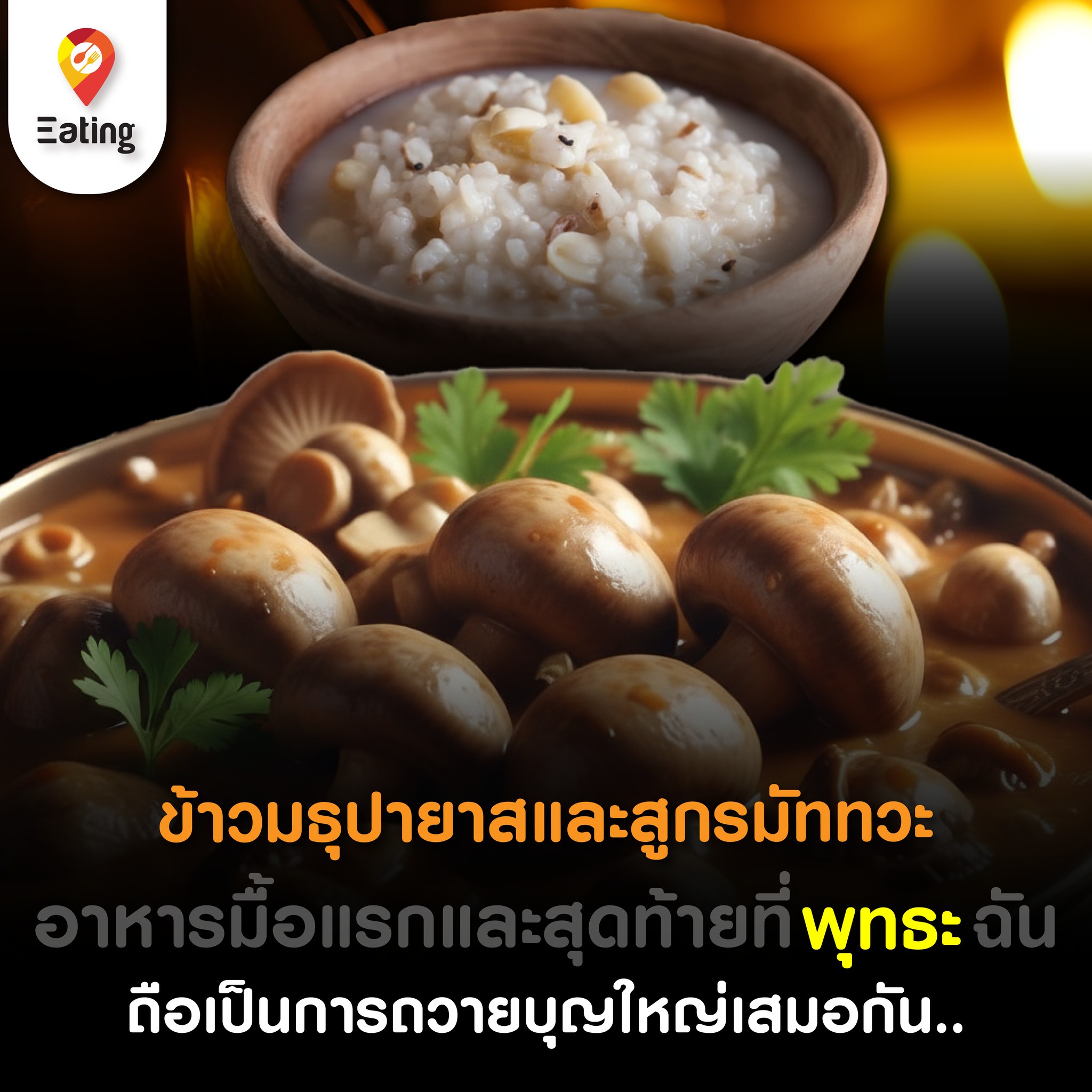
ข้าวมธุปายาสและสูกรมัททวะ คืออาหารมื้อแรกและมื้อสุดท้าย ที่พระพุทธเจ้าทรงพุทธพฉัน
ข้าวมธุปายาสและสูกรมัททวะ คืออาหารสองมื้อสำคัญยิ่งในพุทธประวัติ เป็นมื้อแรกและมื้อสุดท้ายที่พระพุทธเจ้าทรงพุทธพฉัน แม้จะอยู่คนละช่วงเวลา แต่มีความหมายทางบุญและธรรมะที่ลึกซึ้งและมีอานิสงส์เสมอกัน
.
ข้าวมธุปายาส เป็นอาหารมื้อแรกก่อนการตรัสรู้ พระนางสุชาดาเป็นผู้ถวาย เป็นข้าวที่ปรุงด้วยนมและน้ำผึ้ง ช่วยฟื้นฟูกำลังกายของพระสิทธัตถะหลังจากทรงบำเพ็ญทุกกรกิริยามาอย่างยาวนาน มื้อนี้เปรียบเหมือนการเติมพลังครั้งสุดท้าย ก่อนทรงนั่งสมาธิและตรัสรู้เป็นพระพุทธเจ้า ถือเป็นจุดเริ่มต้นของพระพุทธศาสนาอย่างแท้จริง
.
ส่วน สูกรมัททวะ คืออาหารมื้อสุดท้ายก่อนเสด็จดับขันธปรินิพพาน ถวายโดยนายจุนทะ ความหมายของคำว่าสูกรมัททวะมีคำอธิบายต่างกัน บ้างว่าเป็นอาหารอ่อน บ้างว่าเป็นเห็ดหรือของป่าชนิดหนึ่ง แต่พระพุทธเจ้าทรงพิจารณาที่เจตนาของผู้ถวายมากกว่าตัวอาหาร แม้หลังจากเสวยสูกรมัททวะแล้ว พระองค์จะทรงประชวรอย่างหนัก ถึงขั้นลงพระโลหิต และเสด็จดับขันธปรินิพพานที่เมืองกุสินาราในเวลาต่อมา พระองค์ก็ยังทรงรับสั่งย้ำให้นายจุนทะสบายใจว่า การถวายครั้งนี้เป็นบุญใหญ่ มิได้เป็นบาปหรือเหตุแห่งความผิดใดๆ
.
ในพระไตรปิฎกกล่าวชัดว่า การถวายอาหารมื้อก่อนตรัสรู้และมื้อก่อนปรินิพพาน มีผลบุญเสมอกัน เพราะมื้อหนึ่งนำไปสู่การอุบัติขึ้นของพระพุทธเจ้า อีกมื้อหนึ่งนำไปสู่การดับทุกข์อย่างสมบูรณ์ เรื่องนี้จึงสอนให้เข้าใจว่า บุญไม่ได้วัดจากชนิดของอาหารหรือผลที่เกิดตามมา แต่วัดจากเจตนาบริสุทธิ์และการให้ด้วยศรัทธาอย่างแท้จริง
.
ข้าวมธุปายาส เป็นอาหารมื้อแรกก่อนการตรัสรู้ พระนางสุชาดาเป็นผู้ถวาย เป็นข้าวที่ปรุงด้วยนมและน้ำผึ้ง ช่วยฟื้นฟูกำลังกายของพระสิทธัตถะหลังจากทรงบำเพ็ญทุกกรกิริยามาอย่างยาวนาน มื้อนี้เปรียบเหมือนการเติมพลังครั้งสุดท้าย ก่อนทรงนั่งสมาธิและตรัสรู้เป็นพระพุทธเจ้า ถือเป็นจุดเริ่มต้นของพระพุทธศาสนาอย่างแท้จริง
.
ส่วน สูกรมัททวะ คืออาหารมื้อสุดท้ายก่อนเสด็จดับขันธปรินิพพาน ถวายโดยนายจุนทะ ความหมายของคำว่าสูกรมัททวะมีคำอธิบายต่างกัน บ้างว่าเป็นอาหารอ่อน บ้างว่าเป็นเห็ดหรือของป่าชนิดหนึ่ง แต่พระพุทธเจ้าทรงพิจารณาที่เจตนาของผู้ถวายมากกว่าตัวอาหาร แม้หลังจากเสวยสูกรมัททวะแล้ว พระองค์จะทรงประชวรอย่างหนัก ถึงขั้นลงพระโลหิต และเสด็จดับขันธปรินิพพานที่เมืองกุสินาราในเวลาต่อมา พระองค์ก็ยังทรงรับสั่งย้ำให้นายจุนทะสบายใจว่า การถวายครั้งนี้เป็นบุญใหญ่ มิได้เป็นบาปหรือเหตุแห่งความผิดใดๆ
.
ในพระไตรปิฎกกล่าวชัดว่า การถวายอาหารมื้อก่อนตรัสรู้และมื้อก่อนปรินิพพาน มีผลบุญเสมอกัน เพราะมื้อหนึ่งนำไปสู่การอุบัติขึ้นของพระพุทธเจ้า อีกมื้อหนึ่งนำไปสู่การดับทุกข์อย่างสมบูรณ์ เรื่องนี้จึงสอนให้เข้าใจว่า บุญไม่ได้วัดจากชนิดของอาหารหรือผลที่เกิดตามมา แต่วัดจากเจตนาบริสุทธิ์และการให้ด้วยศรัทธาอย่างแท้จริง
.
In Buddhist tradition, **Madhu Pāyāsa and Sūkara-maddava** are regarded as two meals of exceptional doctrinal significance, representing the first and final alms partaken by the Buddha. Despite occurring at different stages of his life, both offerings are described in the Pāli Canon as generating equal merit.
.
Madhu Pāyāsa, offered by Sujātā prior to the Buddha’s Enlightenment, played a crucial role in restoring his physical condition after prolonged ascetic practices. This act preceded his meditation and subsequent attainment of Buddhahood, marking the formal emergence of Buddhism.
.
Sūkara-maddava, offered by Cunda the smith shortly before the Buddha’s Parinibbāna, has been subject to varying interpretations regarding its nature. Nevertheless, canonical texts emphasize that the moral value of the offering is determined by the donor’s intention rather than the substance of the food. Although the Buddha experienced severe illness after consuming this meal and later passed away at Kusinārā, he explicitly declared the offering to be a source of great merit.
.
The equivalence of merit between these two offerings underscores a central Buddhist principle: that wholesome intention and sincere generosity, rather than material form or resultant consequences, are the true measures of merit.
.
Madhu Pāyāsa, offered by Sujātā prior to the Buddha’s Enlightenment, played a crucial role in restoring his physical condition after prolonged ascetic practices. This act preceded his meditation and subsequent attainment of Buddhahood, marking the formal emergence of Buddhism.
.
Sūkara-maddava, offered by Cunda the smith shortly before the Buddha’s Parinibbāna, has been subject to varying interpretations regarding its nature. Nevertheless, canonical texts emphasize that the moral value of the offering is determined by the donor’s intention rather than the substance of the food. Although the Buddha experienced severe illness after consuming this meal and later passed away at Kusinārā, he explicitly declared the offering to be a source of great merit.
.
The equivalence of merit between these two offerings underscores a central Buddhist principle: that wholesome intention and sincere generosity, rather than material form or resultant consequences, are the true measures of merit.