Insider
New Experience
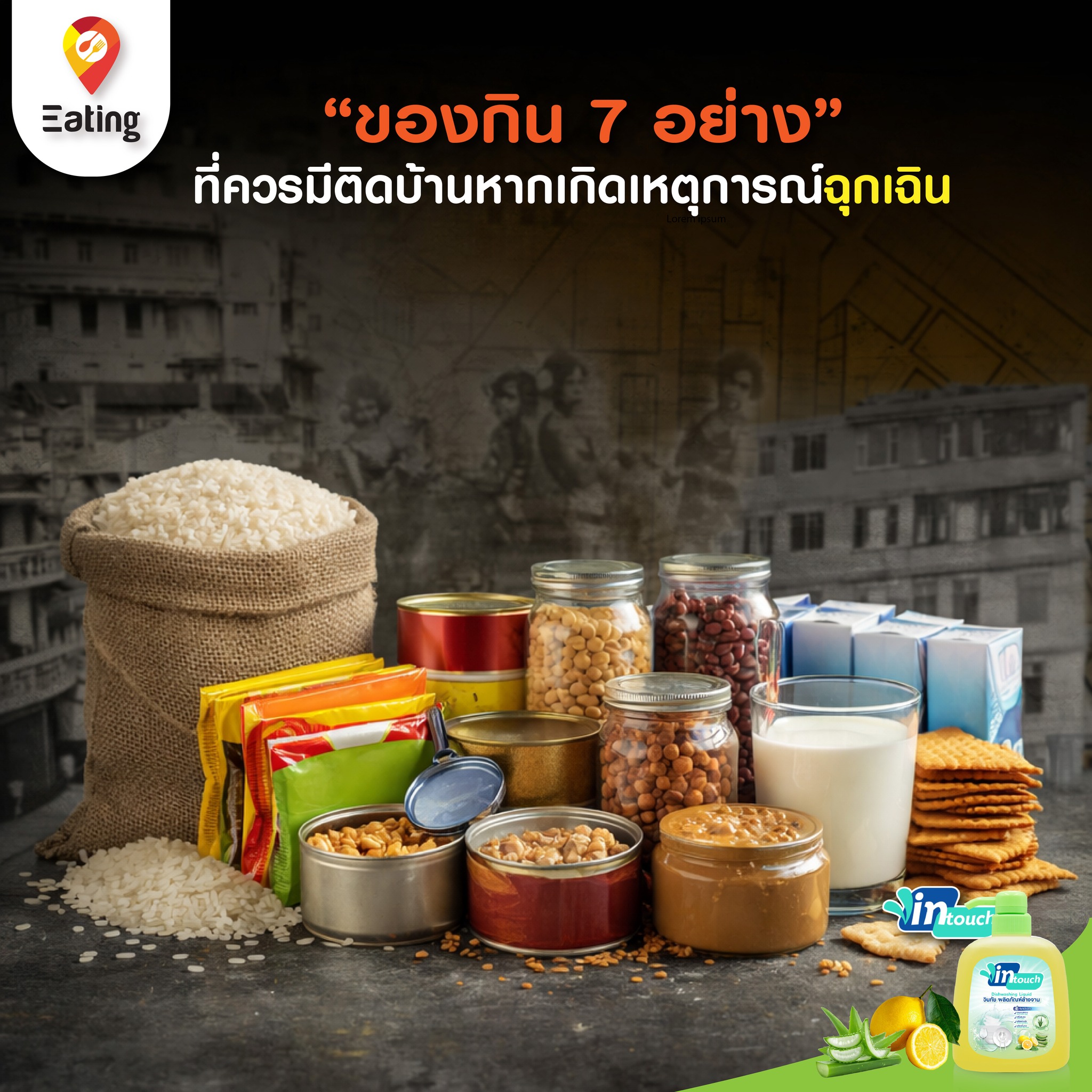
ของกิน 7 อย่างที่ควรมีติดบ้าน หากเกิดเหตุการณ์ฉุกเฉิน
โลกในยุคปัจจุบันเต็มไปด้วยความไม่แน่นอน ทั้งความตึงเครียดทางการเมือง สงครามในบางภูมิภาค ภัยพิบัติทางธรรมชาติ หรือเหตุการณ์ฉุกเฉินที่อาจทำให้การเดินทางและการขนส่งหยุดชะงักชั่วคราว หลายประเทศจึงมีคำแนะนำให้ประชาชนเตรียมอาหารสำรองติดบ้านไว้เสมอ เพราะเมื่อเกิดเหตุไม่คาดคิด สิ่งที่สำคัญที่สุดสำหรับการดำรงชีวิตไม่ใช่ของฟุ่มเฟือย แต่คืออาหารที่สามารถเก็บได้นาน ทำกินง่าย และให้พลังงานเพียงพอ ผู้เชี่ยวชาญด้านการเตรียมพร้อมภัยพิบัติมักแนะนำว่าอาหารสำรองที่ดีควรเป็นอาหารที่ไม่ต้องแช่เย็น เก็บรักษาได้นาน และสามารถรับประทานได้แม้ในสถานการณ์ที่ไฟฟ้าหรือแก๊สไม่สามารถใช้งานได้
.
1.อาหารพื้นฐานที่ควรมีติดบ้านคือข้าวสารซึ่งเป็นแหล่งคาร์โบไฮเดรตหลักของหลายประเทศ สามารถเก็บไว้ได้นานเป็นปีหากเก็บในภาชนะที่ปิดสนิทและยังสามารถนำมาปรุงเป็นอาหารได้หลายรูปแบบ
2.บะหมี่กึ่งสำเร็จรูปที่กลายเป็นอาหารฉุกเฉินของหลายครอบครัวเพราะทำง่าย ใช้น้ำไม่มาก และให้พลังงานได้รวดเร็ว
3.อาหารกระป๋อง เช่น ปลาทูน่ากระป๋อง ปลากระป๋อง หรือถั่วกระป๋อง ซึ่งสามารถเก็บได้นานหลายปีและเปิดรับประทานได้ทันทีโดยไม่ต้องอุ่น
4.อาหารที่ให้โปรตีนและเก็บได้นานอีกอย่างคือถั่วแห้งหรือธัญพืชต่าง ๆ เช่น ถั่วแดง ถั่วดำ หรือถั่วลูกไก่ ซึ่งเป็นแหล่งพลังงานสำคัญในหลายประเทศ
5.เนยถั่วยังเป็นอาหารที่ถูกแนะนำให้เก็บไว้ในบ้านเสมอ เพราะมีทั้งโปรตีน ไขมัน และพลังงานสูงในปริมาณเล็ก สามารถกินได้ทันทีโดยไม่ต้องปรุงอาหาร
6.บิสกิตหรือแครกเกอร์ก็เป็นอาหารที่เก็บง่าย พกพาสะดวก และสามารถกินได้ทันที เหมาะสำหรับสถานการณ์ที่ไม่สามารถทำอาหารได้
7.นมผงหรือนม UHT ที่ช่วยเสริมโปรตีนและสารอาหาร โดยเฉพาะในบ้านที่มีเด็กหรือผู้สูงอายุ
.
หลายประเทศอย่างสหรัฐอเมริกา ญี่ปุ่น และประเทศในยุโรปแนะนำให้ประชาชนมีอาหารสำรองติดบ้านอย่างน้อยสำหรับ 3–7 วันต่อคน เพราะในช่วงเหตุการณ์ฉุกเฉิน ไม่ว่าจะเป็นสงคราม ภัยพิบัติ หรือวิกฤตใหญ่ ระบบขนส่ง ร้านค้า และบริการต่าง ๆ อาจหยุดชะงักชั่วคราว การมีอาหารสำรองจึงไม่ใช่การตื่นตระหนก แต่เป็นการเตรียมพร้อมพื้นฐานที่ช่วยให้ครอบครัวสามารถผ่านสถานการณ์ไม่คาดคิดของโลกไปได้อย่างปลอดภัยมากขึ้น
7 Foods You Should Keep at Home in Case of an Emergency
.
In today’s world, uncertainty has become part of everyday life. Political tensions, conflicts in some regions, natural disasters, and unexpected crises can disrupt transportation and supply chains at any time. Because of this, many countries recommend that households keep a supply of essential food at home. When unexpected situations occur, the most important things for survival are not luxury items but food that can be stored for a long time, is easy to prepare, and provides enough energy. Experts in disaster preparedness often suggest that emergency food supplies should not require refrigeration, should have a long shelf life, and should still be edible even if electricity or cooking gas becomes unavailable.
.
Rice – One of the most basic foods to keep at home is rice. It is a primary source of carbohydrates for many countries and can be stored for years if kept in airtight containers. It is also versatile and can be used to cook a variety of meals.
.
Instant noodles – Instant noodles have become a common emergency food in many households because they are easy to prepare, require only a small amount of water, and provide quick energy.
.
Canned foods – Items such as canned tuna, canned fish, or canned beans can last for several years and can be eaten immediately after opening without reheating.
.
Dried beans or grains – Another long-lasting protein source is dried beans or grains such as red beans, black beans, or chickpeas. These foods provide important nutrients and energy and are widely used in many countries.
.
Peanut butter – Peanut butter is often recommended as a staple emergency food because it contains protein, healthy fats, and high calories in a small serving. It can be eaten instantly without any preparation.
Biscuits or crackers – These foods are easy to store, convenient to carry, and can be eaten right away, making them useful when cooking is not possible.
.
Powdered milk or UHT milk – Milk products help provide additional protein and nutrients, especially in households with children or elderly family members.
.
Many countries, including the United States, Japan, and several European nations, recommend that people keep at least 3–7 days of food supplies per person at home. During major emergencies such as war, natural disasters, or large-scale crises, transportation systems, shops, and services may temporarily stop operating. Having a basic food supply at home is therefore not about panic or hoarding, but about being prepared. It helps ensure that families can safely get through unexpected situations in an uncertain world.