Insider
New Experience
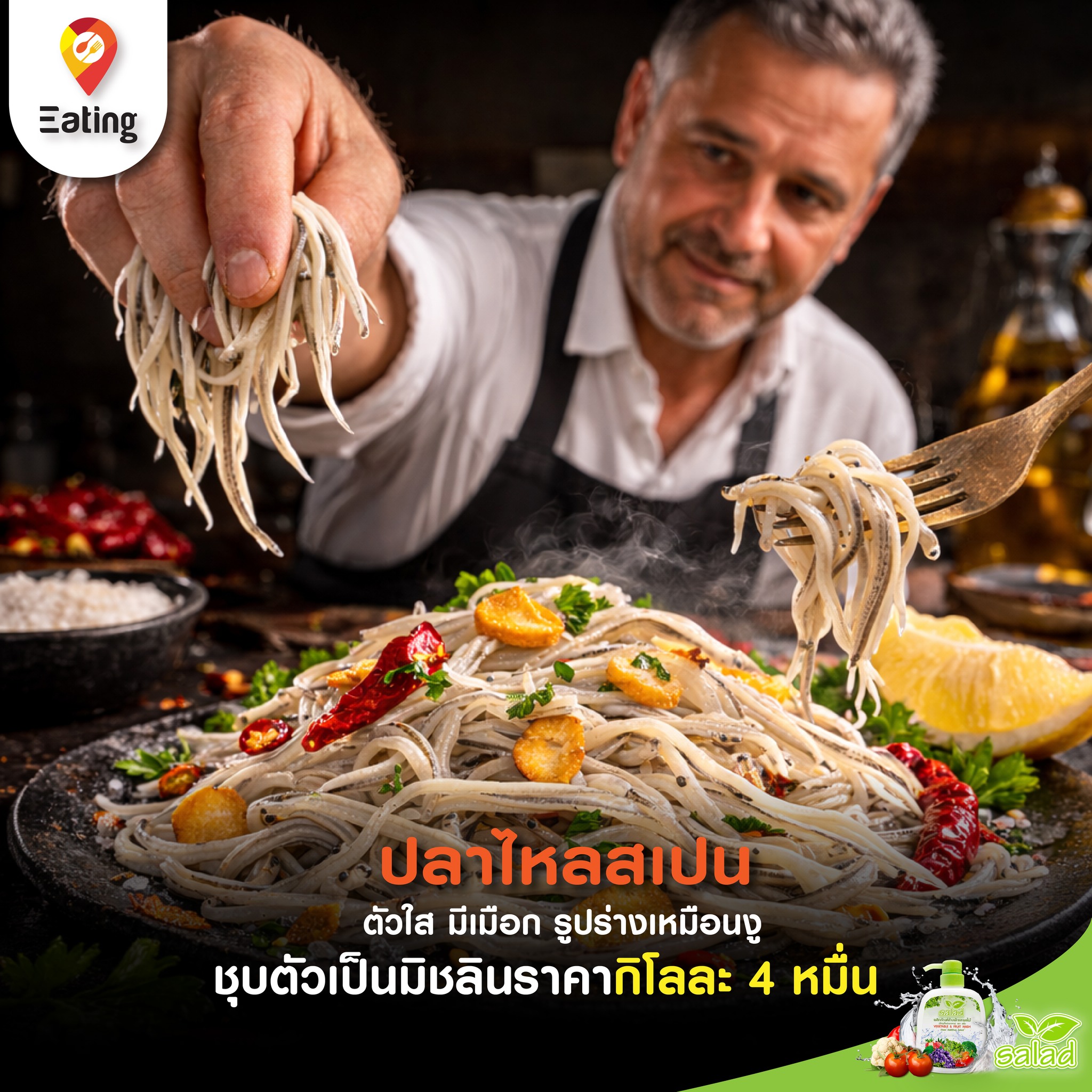
ปลาไหลสเปน ตัวใส มีเมือก รูปร่างเหมือนงู ชุบตัวเป็นมิชลินราคากิโลละ 4 หมื่น
เป็นวัตถุดิบที่ทำให้หลายคนแปลกใจมากที่สุดชนิดหนึ่งของโลกอาหาร เพราะรูปร่างของมันแทบไม่เหมือนอาหารที่มนุษย์จะนำมารับประทานได้เลย ลำตัวของมันใสคล้ายเส้นวุ้น มีเมือกลื่นและรูปร่างยาวเล็กเหมือนงูตัวจิ๋ว
.
กลายเป็นหนึ่งในอาหารจานหรูที่มีราคาสูงที่สุดในยุโรป บางช่วงราคาของมันพุ่งสูงกว่า 1,000 ยูโรต่อกิโลกรัม หรือราวเกือบ 40,000 บาทเลยทีเดียว ความน่าสนใจคือในอดีตปลาไหลแก้วไม่ได้ถูกมองว่าเป็นอาหารหรูหราแต่อย่างใด ตรงกันข้าม ชาวประมงในแถบสเปนตอนเหนือเคยจับมันมาใช้เป็นอาหารเลี้ยงหมูและไก่ เพราะมีอยู่มากตามปากแม่น้ำและชายฝั่งทะเล
.
แต่เมื่อเวลาผ่านไปจำนวนปลาไหลในธรรมชาติเริ่มลดลงอย่างมาก ขณะที่ความต้องการบริโภคกลับเพิ่มขึ้น ทำให้ปลาไหลแก้วกลายเป็นวัตถุดิบหายากและมีราคาพุ่งสูงขึ้นอย่างรวดเร็ว อีกเหตุผลสำคัญที่ทำให้มันแพงคือกระบวนการจับที่ยากและใช้แรงงานสูง ปลาไหลแก้วจะปรากฏตัวเพียงช่วงสั้น ๆ ของปีตามปากแม่น้ำในยุโรป
.
ชาวประมงต้องจับพวกมันในเวลากลางคืนโดยใช้ตาข่ายละเอียดมาก เพราะตัวของมันเล็กและบอบบาง หากพลาดเพียงเล็กน้อยก็อาจหลุดหายไปกับกระแสน้ำได้ เมื่อจับมาแล้วก็ต้องคัดแยกและขนส่งอย่างระมัดระวัง ทำให้ต้นทุนสูงตั้งแต่ต้นทางไปจนถึงร้านอาหาร เมื่อมาถึงจานอาหารวิธีปรุงของสเปนกลับเรียบง่ายอย่างน่าประหลาด
.
โดยเมนูคลาสสิกที่สุดคือการผัดปลาไหลแก้วกับน้ำมันมะกอก กระเทียม และพริกแห้ง เสิร์ฟร้อน ๆ ในกระทะดินเผา เพราะเชฟเชื่อว่าการปรุงแบบเรียบง่ายจะทำให้เนื้อสัมผัสของปลาไหลเด่นที่สุด สำหรับรสชาติจริง ๆ ของอังกูลัสนั้นไม่ได้เข้มข้นหรือหวือหวาอย่างที่หลายคนคิด รสของมันค่อนข้างอ่อนนุ่มและละเอียดมาก จนบางคนบอกว่าแทบไม่มีรสชาติชัดเจน
.
สิ่งที่ทำให้มันพิเศษจึงไม่ใช่รสชาติแต่เป็นเนื้อสัมผัสที่นุ่มลื่นและเด้งเบา ๆ คล้ายเส้นพาสต้าเส้นเล็กที่เคลือบด้วยน้ำมันมะกอกหอม ๆ มากกว่า นี่จึงเป็นเหตุผลที่หลายคนมักพูดว่าอังกูลัสเป็นอาหารที่ “แพงเพราะความหายากมากกว่ารสชาติ” ถึงอย่างนั้นมันก็ยังได้รับความนิยมอย่างมากในหมู่คนมีฐานะ โดยเฉพาะในสเปน
.
เพราะมันถูกมองว่าเป็นวัตถุดิบระดับพรีเมียมที่หาได้ยากและมีฤดูกาลจำกัด ร้านอาหารหรูมักนำเสนอเมนูนี้ในช่วงเทศกาลสำคัญ เช่น ช่วงคริสต์มาสหรือปีใหม่ ทำให้การกินอังกูลัสกลายเป็นสัญลักษณ์ของความพิเศษและความหรูหราไปโดยปริยาย
Baby eel known as “Angulas,” or glass eel, is one of the most surprising ingredients in the culinary world. At first glance, it hardly looks like something people would eat. Its body is almost transparent like gelatin, slippery with mucus, and shaped like a tiny snake.
.
Today, angulas have become one of the most luxurious dishes in Europe. At certain times, their price can exceed 1,000 euros per kilogram (around 40,000 Thai baht). What makes this story even more interesting is that glass eels were not always considered a luxury food. In the past, fishermen in northern Spain often caught them and used them as feed for pigs and chickens because they were abundant in river mouths and coastal waters.
.
However, as time passed, the number of eels in the wild began to decline dramatically while demand for them increased. This combination quickly turned glass eels into a rare and expensive ingredient. Another reason for their high price is the difficulty of catching them. Glass eels only appear for a short period each year in the estuaries of European rivers.
.
Fishermen must catch them at night using extremely fine nets because the eels are tiny and fragile. Even a small mistake can allow them to slip away with the current. After being caught, they must be carefully sorted and transported, which increases costs from the very beginning of the supply chain all the way to restaurants. Interestingly, when they reach the dining table, Spanish chefs usually prepare them in a surprisingly simple way.
.
The most classic dish is angulas sautéed with olive oil, garlic, and dried chili, served hot in a small clay pan. Chefs believe that simple cooking allows the delicate texture of the eel to stand out. In terms of flavor, angulas are not as strong or dramatic as many people might expect. Their taste is actually very mild and subtle—some even say they have almost no distinct flavor at all.
.
What makes them special is not the taste but the unique texture, which is soft, slippery, and slightly springy, somewhat like very thin strands of pasta coated in fragrant olive oil. This is why many people say angulas are “expensive because of their rarity rather than their flavor.” Even so, they remain extremely popular among wealthy diners, especially in Spain.
.
They are considered a premium seasonal ingredient that is difficult to obtain. Luxury restaurants often serve angulas during special occasions such as Christmas and New Year, turning the dish into a symbol of celebration and exclusivity. For many food lovers, eating angulas is not just about taste but also about experiencing a rare culinary tradition—one that reflects how, in the world of gastronomy, the value of food is sometimes shaped not only by flavor, but also by scarcity, history, and cultural prestige.