Loading...
Insider
New Experience
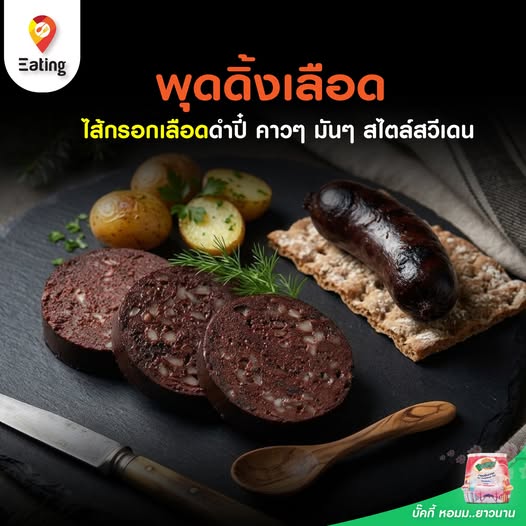
พุดดิ้งเลือด (Blood Pudding)
ไส้กรอกเลือดดำปี๋ คาวๆมันๆ สไตล์สวีเดน
พุดดิ้งเลือด (Blood Pudding หรือ Black Pudding) ไม่ใช่ขนมหวานอย่างที่หลายคนคุ้นเคย แต่เป็น อาหารคาวประเภทไส้กรอกเลือด (Blood Sausage) ที่นิยมรับประทานกันอย่างแพร่หลายในสหราชอาณาจักร ไอร์แลนด์ และประเทศแถบยุโรป
.
หลายคนได้ยินชื่อ “พุดดิ้ง” แล้วอาจจะนึกถึงขนมหวานเนื้อนุ่มดึ๋ง แต่ถ้าย้อนกลับไปในยุโรปยุคกลาง คำว่า Pudding (มาจากภาษาฝรั่งเศสโบราณ Boudin ที่แปลว่าไส้กรอก) ไม่ใช่ขนมหวานเลยสักนิด
.
ยุคนั้นคำว่าพุดดิ้งหมายถึง “อาหารคาว” ที่เกิดจากภูมิปัญญาในการถนอมอาหาร โดยนำส่วนผสมหลักๆ อย่าง เลือดสัตว์ (ส่วนใหญ่ใช้เลือดหมูหรือเลือดวัว) ผสมกับมันหมู แป้งไรย์ (Rye flour) น้ำตาลหรือไซรัป เบียร์หรือนม และเครื่องเทศอย่างกานพลูหรือออลสไปซ์ มาบรรจุลงในถุงกระเพาะหรือไส้สัตว์แล้วนำไปต้ม/นึ่ง ซึ่งไส้กรอกเลือดของสวีเดนก็คือหนึ่งในวิวัฒนาการยุคแรกเริ่มที่สืบทอดมาจนถึงปัจจุบัน
.
จนกระทั่งในศตวรรษที่ 18–19 เมื่อ “น้ำตาล” เริ่มแพร่หลายและมีราคาถูกลง พุดดิ้งถึงค่อยๆ กลายพันธุ์จากเมนูห่อไส้สัตว์รสคาว มาเป็นขนมนึ่งและขนมหวานเนื้อนุ่มอย่างที่เราคุ้นเคยกันในวันนี้.
 เขานิยมกินกันยังไง และกินที่ไหน?
นิยมกินแถบไหน: เมนูนี้แพร่หลายและนิยมมากใน ประเทศแถบนอร์ดิก/สแกนดิเนเวีย (โดยเฉพาะสวีเดนและฟินแลนด์) รวมถึงใน สหราชอาณาจักร (อังกฤษ, สกอตแลนด์, ไอร์แลนด์) ที่เรียกว่า Black Pudding
.
นิยมกินมื้อไหนในสวีเดนมักนำมาหั่นเป็นแผ่น ทอดในเนยจนกรอบนอกนุ่มใน นิยมกินเป็น มื้อกลางวันหรือมื้อเย็นประจำวัน โดยเสิร์ฟคู่กับ แยมลิงกอนเบอร์รี่ (Lingonberry jam) และเบคอนทอดกรอบ ส่วนในอังกฤษก็นิยมจัดอยู่ในชุด Full English Breakfast มื้อเช้าสุดคลาสสิกด้วยเช่นกัน
.
เห็นหน้าตาชวนอี๋ คาวเลือดตึ้บแบบนี้ แต่ชาวสวีเดนและยุโรปเขากินกันเป็นเรื่องปกติมากใครเป็นสายท้าทายความกล้า ลองเปิดใจดูสักคำ แล้วจะรู้ว่าตำนานความอร่อยยุคกลางรสชาติเป็นยังไง

.
หลายคนได้ยินชื่อ “พุดดิ้ง” แล้วอาจจะนึกถึงขนมหวานเนื้อนุ่มดึ๋ง แต่ถ้าย้อนกลับไปในยุโรปยุคกลาง คำว่า Pudding (มาจากภาษาฝรั่งเศสโบราณ Boudin ที่แปลว่าไส้กรอก) ไม่ใช่ขนมหวานเลยสักนิด
.
ยุคนั้นคำว่าพุดดิ้งหมายถึง “อาหารคาว” ที่เกิดจากภูมิปัญญาในการถนอมอาหาร โดยนำส่วนผสมหลักๆ อย่าง เลือดสัตว์ (ส่วนใหญ่ใช้เลือดหมูหรือเลือดวัว) ผสมกับมันหมู แป้งไรย์ (Rye flour) น้ำตาลหรือไซรัป เบียร์หรือนม และเครื่องเทศอย่างกานพลูหรือออลสไปซ์ มาบรรจุลงในถุงกระเพาะหรือไส้สัตว์แล้วนำไปต้ม/นึ่ง ซึ่งไส้กรอกเลือดของสวีเดนก็คือหนึ่งในวิวัฒนาการยุคแรกเริ่มที่สืบทอดมาจนถึงปัจจุบัน
.
จนกระทั่งในศตวรรษที่ 18–19 เมื่อ “น้ำตาล” เริ่มแพร่หลายและมีราคาถูกลง พุดดิ้งถึงค่อยๆ กลายพันธุ์จากเมนูห่อไส้สัตว์รสคาว มาเป็นขนมนึ่งและขนมหวานเนื้อนุ่มอย่างที่เราคุ้นเคยกันในวันนี้.
เขานิยมกินกันยังไง และกินที่ไหน?นิยมกินแถบไหน: เมนูนี้แพร่หลายและนิยมมากใน ประเทศแถบนอร์ดิก/สแกนดิเนเวีย (โดยเฉพาะสวีเดนและฟินแลนด์) รวมถึงใน สหราชอาณาจักร (อังกฤษ, สกอตแลนด์, ไอร์แลนด์) ที่เรียกว่า Black Pudding
.
นิยมกินมื้อไหนในสวีเดนมักนำมาหั่นเป็นแผ่น ทอดในเนยจนกรอบนอกนุ่มใน นิยมกินเป็น มื้อกลางวันหรือมื้อเย็นประจำวัน โดยเสิร์ฟคู่กับ แยมลิงกอนเบอร์รี่ (Lingonberry jam) และเบคอนทอดกรอบ ส่วนในอังกฤษก็นิยมจัดอยู่ในชุด Full English Breakfast มื้อเช้าสุดคลาสสิกด้วยเช่นกัน
.
เห็นหน้าตาชวนอี๋ คาวเลือดตึ้บแบบนี้ แต่ชาวสวีเดนและยุโรปเขากินกันเป็นเรื่องปกติมากใครเป็นสายท้าทายความกล้า ลองเปิดใจดูสักคำ แล้วจะรู้ว่าตำนานความอร่อยยุคกลางรสชาติเป็นยังไง
Blood Pudding (also known as Blood Pudding or Black Pudding) is not a dessert as many might assume. Instead, it is a savory dish belonging to the blood sausage family, widely consumed in the UK, Ireland, and across Europe.
.
Hearing the word "pudding" often brings to mind a soft, jiggly dessert. However, tracing its roots back to Medieval Europe, the word pudding (derived from the Old French boudin, meaning sausage) had nothing to do with sweets at all.
.
Back then, pudding referred to a savory food born out of traditional preservation techniques. The main ingredients—animal blood (usually pork or beef blood), pork fat, rye flour, sugar or syrup, beer or milk, and spices like cloves or allspice—were packed into animal stomachs or intestines and then boiled or steamed. Swedish blood sausage is one such early variation that has been passed down to the present day.
.
It wasn't until the 18th and 19th centuries, when sugar became cheap and widely available, that pudding gradually evolved from savory, sausage-wrapped dishes into the steamed treats and soft desserts we know today.
.
How and Where Is It Eaten?
Where it’s popular: This dish is widely enjoyed in Nordic/Scandinavian countries (especially Sweden and Finland), as well as in the United Kingdom (England, Scotland, and Ireland), where it is known as Black Pudding.
.
When and how it's served: In Sweden, it is typically sliced and pan-fried in butter until crispy on the outside and soft on the inside. It is commonly served for everyday lunches or dinners alongside lingonberry jam and crispy bacon. Meanwhile, in the UK, it is a staple component of the classic Full English Breakfast.
.
Hearing the word "pudding" often brings to mind a soft, jiggly dessert. However, tracing its roots back to Medieval Europe, the word pudding (derived from the Old French boudin, meaning sausage) had nothing to do with sweets at all.
.
Back then, pudding referred to a savory food born out of traditional preservation techniques. The main ingredients—animal blood (usually pork or beef blood), pork fat, rye flour, sugar or syrup, beer or milk, and spices like cloves or allspice—were packed into animal stomachs or intestines and then boiled or steamed. Swedish blood sausage is one such early variation that has been passed down to the present day.
.
It wasn't until the 18th and 19th centuries, when sugar became cheap and widely available, that pudding gradually evolved from savory, sausage-wrapped dishes into the steamed treats and soft desserts we know today.
.
How and Where Is It Eaten?
Where it’s popular: This dish is widely enjoyed in Nordic/Scandinavian countries (especially Sweden and Finland), as well as in the United Kingdom (England, Scotland, and Ireland), where it is known as Black Pudding.
.
When and how it's served: In Sweden, it is typically sliced and pan-fried in butter until crispy on the outside and soft on the inside. It is commonly served for everyday lunches or dinners alongside lingonberry jam and crispy bacon. Meanwhile, in the UK, it is a staple component of the classic Full English Breakfast.