Loading...
Insider
New Experience
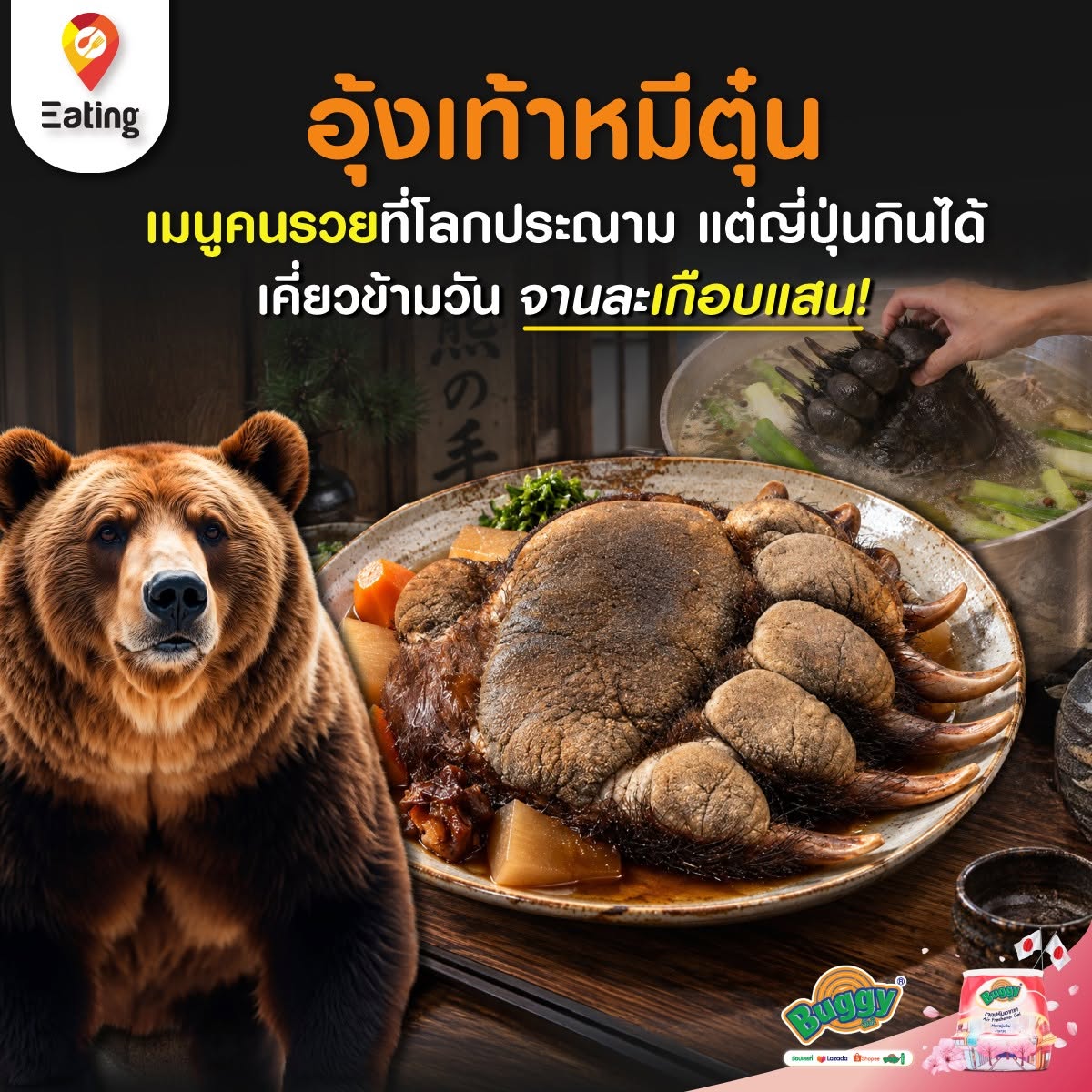
“อุ้งเท้าหมีตุ๋น” เมนูคนรวยที่โลกประณาม
แต่ทำไมญี่ปุ่นถึงกินได้ถูกกฎหมาย?
“อุ้งเท้าหมีตุ๋น” เมนูคนรวยที่โลกประณาม
แต่ทำไมญี่ปุ่นถึงกินได้ถูกกฎหมาย?
สุดยอดเมนูเปิบพิสดารในตำนานที่สะท้อนถึงอำนาจและบารมี ชื่อของ “อุ้งเท้าหมี” จะติดอันดับต้น ๆ เสมอ ในอดีตนี่คืออาหารจักรพรรดิแห่งแดนมังกร แต่ในยุคปัจจุบัน มันกลายเป็นสัญลักษณ์ของการล่าที่ผิดกฎหมายและถูกแบนไปทั่วโลกภายใต้อนุสัญญา CITES เพื่อปกป้องประชากรหมีแต่เชื่อหรือไม่ว่า... ที่ประเทศญี่ปุ่น เมนูนี้ยังคงถูกเสิร์ฟบนโต๊ะอาหารระดับไฟน์ไดนิ่งอย่าง “ถูกกฎหมาย” ราคาต่อหม้อพุ่งสูงแตะหลักหมื่นถึงเกือบแสนบาท!
--------------
ทำไมญี่ปุ่นถึงเสิร์ฟอุ้งเท้าหมีได้?
ความลับไม่ได้อยู่ที่ตลาดมืด แต่มาจากบริบทเฉพาะตัวของญี่ปุ่น:
ㅤ
ปัญหาหมีล้นป่าและการจัดการเชิงนิเวศ: ในหลายพื้นที่ เช่น ภูมิภาคโทโฮคุหรือฮอกไกโด มีประชากรหมีดำและหมีสีน้ำตาลลงมาสร้างความเสียหายต่อพืชผลทางการเกษตร และเป็นอันตรายต่อชีวิตมนุษย์
ㅤ
การล่าโดยนายพรานมืออาชีพ (Matagi): รัฐบาลท้องถิ่นจะออกโควตาการล่าเพื่อควบคุมจำนวนประชากรหมี นายพรานที่ได้รับใบอนุญาตจะนำเนื้อและชิ้นส่วนหมีส่งต่อให้ร้านอาหารหรือตลาดที่ได้รับรองอย่างถูกต้องตามกฎหมาย จึงทำให้ไม่ใช่การล่าเถื่อนแบบในหลายประเทศ
--------------
รสชาติคุ้มไหมกับราคาเกือบแสน?
ความจริงที่หลายคนอาจประหลาดใจคือ อุ้งเท้าหมีแทบไม่มีเนื้อสัตว์เลย แต่มันคือ “ก้อนเจลาตินและคอลลาเจนธรรมชาติ” ล้วน ๆ!
--------------
เสี่ยงพยาธิมรณะ?
"หมีเป็นสัตว์ที่มีพยาธิอันตรายอย่าง Trichinella สูงมาก หากกินแบบสุก ๆ ดิบ ๆ อาจถึงแก่ชีวิตได้ แต่สาเหตุที่อุ้งเท้าหมีตุ๋นกินได้อย่างปลอดภัย ก็เพราะต้องผ่านการต้มและ เคี่ยวนานข้ามวัน ด้วยความร้อนจัดจนพยาธิและเชื้อโรคไม่สามารถรอดชีวิตได้นั่นเอง"
--------------
กรรมวิธีการทำสุดทรหด: เชฟต้องนำอุ้งเท้าไปลวก ถอนขนอย่างประณีต ขูดสิ่งสกปรก ดับกลิ่นสาบเฉพาะตัวด้วยขิง ต้นหอม และเหล้าสาเก จากนั้นนำไปเคี่ยวไฟอ่อนนานข้ามวันข้ามคืน (บางสูตรใช้เวลาเคี่ยวต่อเนื่องถึง 2–3 วัน)
ㅤ
รสสัมผัส: เมื่อตุ๋นจนได้ที่ หนังและเอ็นจะนุ่มละลายในปาก มีความหนึบหยุ่นคล้ายเอ็นวัวตุ๋นแต่ละเอียดอ่อนกว่า ซึมซับรสน้ำซุปดาชิและโชยุอย่างเต็มเปี่ยม
--------------
สำหรับใครหลายคน มันคือเมนูสะท้อนความโหดร้ายและราคาคุย แต่สำหรับนักชิมสายลึกและวัฒนธรรมบางกลุ่ม นี่คือมรดกอาหารป่า (Jibie) โบราณที่เหลืออยู่ไม่กี่แห่งในโลก
Braised Bear Paw: The Banned Luxury Dish That Is Legal in Japan
Once an imperial delicacy symbolizing prestige, bear paw is globally condemned and banned under CITES due to illegal poaching. Yet in Japan, it is legally served at high-end restaurants, fetching prices of up to thousands of dollars per pot.
--------------
Why is it legal in Japan?
To manage human-wildlife conflict and overpopulation in regions like Tohoku and Hokkaido, licensed traditional hunters (Matagi) cull bears within strict government quotas. Certified parts are then legally sold to restaurants.
--------------
Taste and Texture:
Surprisingly, bear paws have almost no meat; they are purely natural collagen and gelatin. Once meticulously cleaned and simmered for days with sake, ginger, and dashi, the skin and tendons turn melt-in-the-mouth tender, resembling a delicate, gelatinous beef tendon.
--------------
Is it dangerous?
Wild bears often carry the lethal parasite Trichinella. Eating undercooked bear meat can be fatal, but braised bear paw is considered safe because it is simmered at high heat for over 24 to 48 hours, fully eliminating all parasites.
--------------
To many, it represents animal cruelty, while to others, it remains a rare, surviving tradition of Japanese wild game cuisine (Gibier).