Insider
New Experience
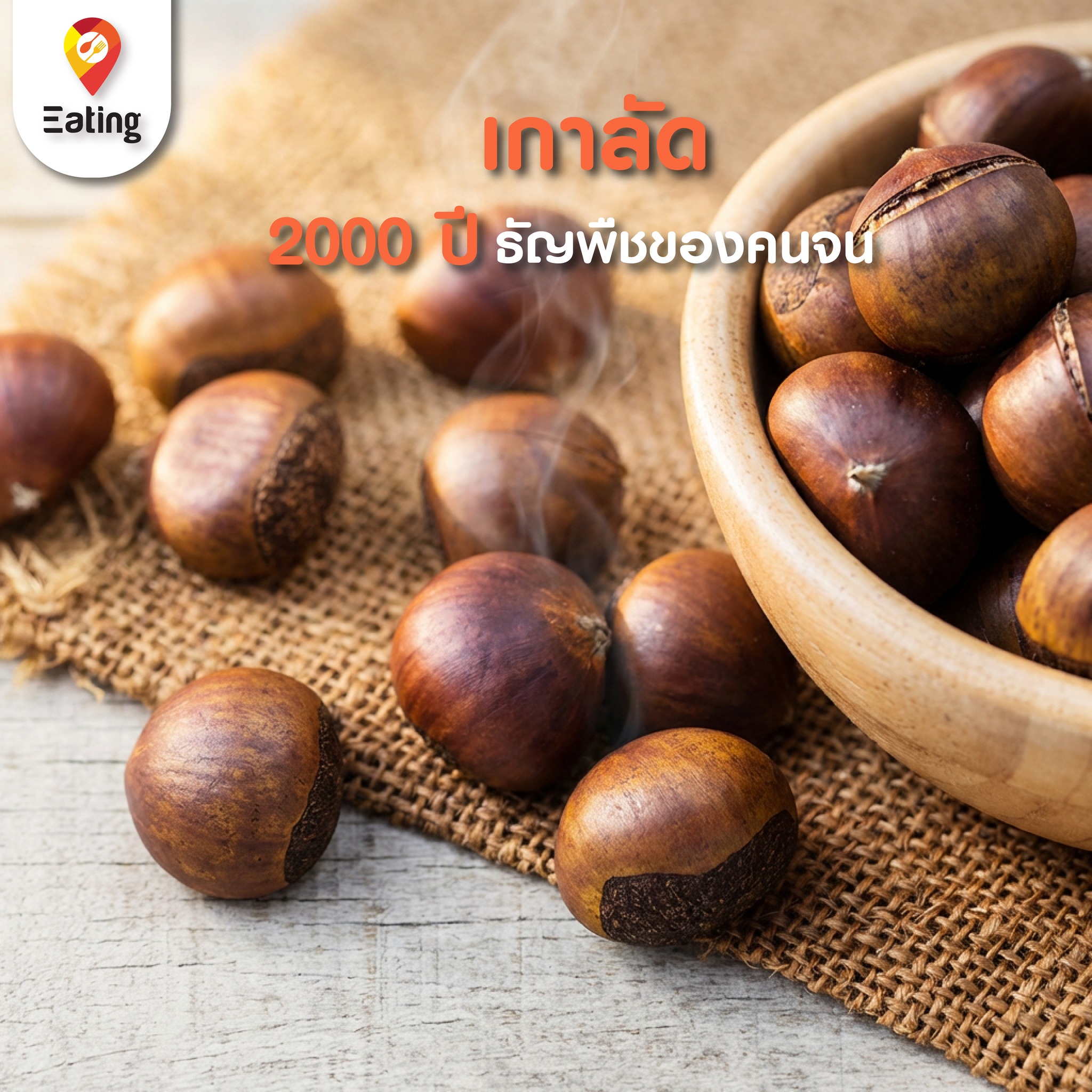
เกาลัด 2,000 ปี “ธัญพืชของคนจน”
เกาลัดเป็นเมล็ดของต้นเกาลัดที่สามารถรับประทานได้และมีประวัติยาวนานในฐานะอาหารของมนุษย์ โดยมีต้นกำเนิดอยู่ในแถบซีกโลกเหนือ ครอบคลุมพื้นที่เอเชียตะวันออก ยุโรปตอนใต้ และเอเชียไมเนอร์ มีหลักฐานว่าผู้คนรู้จักและบริโภคเกาลัดมานานกว่า 2,000 ปี โดยเฉพาะในประเทศจีนที่เกาลัดถูกใช้เป็นแหล่งพลังงานสำคัญมาตั้งแต่สมัยโบราณ ขณะที่ในยุโรปอย่างกรีซและอิตาลี
.
เกาลัดเคยถูกเรียกว่า “ธัญพืชของคนจน” เพราะสามารถปลูกได้ในพื้นที่ภูเขาและช่วยหล่อเลี้ยงผู้คนในช่วงที่ขาดแคลนอาหาร จนกระทั่งแพร่กระจายไปยังภูมิภาคต่าง ๆ ของโลกตามเส้นทางการค้าและการอพยพจนกลายเป็นส่วนหนึ่งของวัฒนธรรมอาหารท้องถิ่น
.
เกาลัดมีรสชาติหวานมัน เนื้อแน่น และมีกลิ่นหอมเฉพาะตัว นิยมนำมาคั่ว ต้ม นึ่ง หรือแปรรูปเป็นส่วนผสมของขนมและเบเกอรี่ จุดเด่นของเกาลัดคือเป็นถั่วที่มี ไขมันต่ำกว่าเมื่อเทียบกับถั่วชนิดอื่น แต่มีคาร์โบไฮเดรตและแป้งในปริมาณสูง จึงให้พลังงานและความอิ่มได้นาน อีกทั้งยังอุดมไปด้วย ใยอาหารที่ช่วยกระตุ้นระบบขับถ่าย, วิตามินบี, วิตามินซี และแร่ธาตุอย่างโพแทสเซียม ที่มีส่วนช่วยเสริมการทำงานของระบบต่าง ๆ ภายในร่างกาย แม้เกาลัดจะมีประโยชน์หลากหลาย แต่ควรรับประทานในปริมาณที่เหมาะสมและบริโภคในรูปแบบที่ปรุงสุกแล้วเท่านั้น เพราะเกาลัดดิบย่อยยากและอาจก่อให้เกิดการระคายเคืองต่อระบบทางเดินอาหาร
.
ปัจจุบันเกาลัดยังเป็นสินค้าที่คนยังคงซื้อรับประทานอยู่ โดยราคาที่ขายในไทยอยู่ในช่วงประมาณ ประมาณ 286–624 บาทต่อกิโลกรัม เมื่อคิดเป็นราคาปลีกในตลาดไทย ซึ่งอาจขึ้นอยู่กับขนาดคุณภาพและรูปแบบการแปรรูป เช่น แบบสดหรือแบบพร้อมปรุง ราคานี้สะท้อนการที่เกาลัดกลายเป็นวัตถุดิบอาหารที่ไม่ได้ถูกจำกัดเฉพาะเป็น “ของคนจน” อีกต่อไป แต่ราคาสามารถผันผวนตามฤดูกาลและอุปสงค์ของตลาดด้วย
Chestnut (栗子) or Lì zi
Chestnuts are the edible seeds of the chestnut tree and have a long history as a food source for humans. They originated in the Northern Hemisphere, spanning East Asia, Southern Europe, and Asia Minor. Evidence shows that chestnuts have been consumed for over 2,000 years, especially in China, where they were an important source of energy in ancient times. In Europe, particularly in Greece and Italy, chestnuts were once known as “the grain of the poor.”
Chestnuts earned this name because they could be grown in mountainous areas and helped sustain people during times of food shortages. Over time, chestnuts spread to other regions of the world through trade routes and human migration, eventually becoming part of local food cultures in many countries.
Chestnuts have a naturally sweet, nutty flavor with a dense texture and a distinctive aroma. They are commonly roasted, boiled, steamed, or used as ingredients in desserts and baked goods. One of the key characteristics of chestnuts is that they contain less fat than most other nuts but are high in carbohydrates and starch, making them a good source of energy and long-lasting satiety. They are also rich in dietary fiber, which supports digestion, as well as B vitamins, vitamin C, and minerals such as potassium that help support various bodily functions. Despite their many benefits, chestnuts should be consumed in moderation and only in cooked form, as raw chestnuts are difficult to digest and may irritate the digestive system.
Today, chestnuts remain a popular food product. In Thailand, retail prices typically range from approximately 286 to 624 baht per kilogram, depending on size, quality, and whether they are sold fresh or processed. This price range reflects how chestnuts are no longer viewed merely as “food for the poor,” but as a valued food ingredient whose price can fluctuate according to season and market demand.