Insider
New Experience
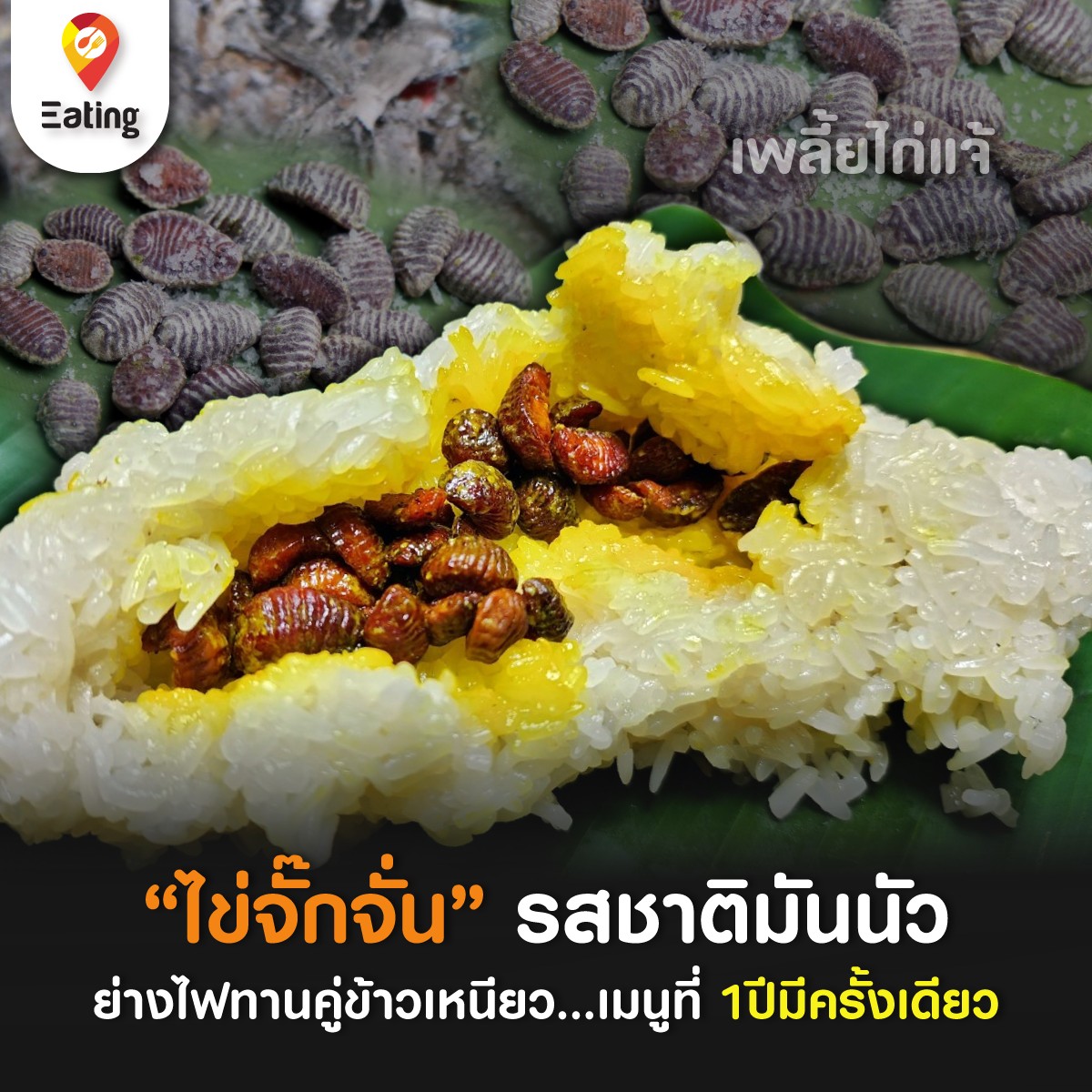
"ไข่จั๊กจั่น" รสชาติมันนัวย่างไฟ ทานคู่ข้าวเหนียว... เมนูที่ 1ปีมีครั้งเดียว
ถ้าพูดถึงเมนูเด็ดจากแมลง อาจจะนึกถึงดักแด้ทอดหรือจั๊กจั่นคั่ว แต่สำหรับ "ตัวจริง" ในสายอาหารป่าและเมนูพื้นบ้านสไตล์อีสานและเหนือ ต้องยกให้ "ไข่จั๊กจั่น" (หรือที่หลายพื้นที่เรียกว่า เพลี้ยจักจั่น) เมนูหาทานยากที่ต้องรอจังหวะเวลาที่เหมาะสมเท่านั้นถึงจะได้ลิ้มรส
--------------
ไข่จั๊กจั่น?
แท้จริงแล้วสิ่งที่เราเรียกว่าไข่จั๊กจั่นนั้น คือตัวอ่อนของ เพลี้ยจักจั่น ชนิดหนึ่งที่มีแป้งสีขาวปกคลุมตัว มักเกาะอยู่ตามกิ่งไม้หรือใต้ใบไม้ (เช่น ต้นตะขบ ต้นเพกา หรือต้นไม้พุ่ม) มีขา 6 ขา รูปร่างมีลายขวางเป็นปล้องๆ สีม่วงอมแดง เมื่อตัวโตเต็มที่จะมี "ปุยสีขาว" (wax) ปกคลุมจนมิด ดูไกลๆ เหมือนกลุ่มไข่แมลง หรือสำลีสีขาวๆ
--------------
ความเข้าใจผิดสืบต่อกันมา: ด้วยความที่มันนิ่ง ไม่ค่อยขยับ และมีรสชาติมันจัดคล้ายไข่มดแดง คนโบราณจึงเรียกกันว่า "ไข่" จนกลายเป็นชื่อเฉพาะในวงการอาหารพื้นบ้าน
--------------
กรรมวิธีความอร่อย
1.) การทำความสะอาด :
ล้างนวลแป้งขาวๆ ออกให้สะอาดจนเห็นผิวสีม่วงแดงชัดเจน
2.) การย่าง (ปิ้ง) :
นำไปคั่วในกระทะหรือห่อใบตองปิ้งบนเตาถ่านอ่อนๆ กลิ่นหอมของแมลงที่โดนความร้อนจะเริ่มโชยออกมา ตัวเพลี้ยจะตึงเปรี๊ยะและกรอบนอกนุ่มใน
3.) การปรุงรส :
นิยมโรยเกลือเพียงเล็กน้อยเพื่อดึงความมันธรรมชาติออกมาให้โดดเด่นที่สุด
--------------
วิธีกินแบบออเธนติก: "บี้กับข้าวเหนียว"
ไฮไลท์คือการกินคู่กับ "ข้าวเหนียวร้อนๆ" คนสมัยก่อน (และสายกินตัวจริงในปัจจุบัน) จะนำไข่จั๊กจั่นที่ปิ้งจนสุกหอมมาวางลงบนปั้นข้าวเหนียว แล้ว "บี้" ให้เนื้อข้างในที่มันเยิ้มซึมเข้าไปในเมล็ดข้าวเหนียว รสชาติจะมีความมันนัวคล้ายกับไข่มดแดงแต่มีความเข้มข้นกว่า มีความกรุบเล็กๆ จากเปลือกที่โดนไฟ แซมด้วยรสเค็มปะแล่มจากเกลือ ว่ากันว่า "คำเดียวไม่เคยพอ"
“Cicada Eggs” or Pliya – A Once-a-Year Treasure of Northern & Isan Cuisine
What many locals call “cicada eggs” is actually not eggs at all, but the nymphs of a leafhopper, known in Thai as pliya chakchan. These tiny insects are covered in a natural white wax that makes them look like clusters of soft cotton, which is why people in the past believed they were eggs. Over generations, the name stuck and became part of local food culture.
--------------
Pliya can only be found for a short time each year on certain trees such as Indian cherry and other forest shrubs. This limited season is what makes the dish so special—if you miss it, you have to wait another year.
--------------
From Forest to Table
Before cooking, the white wax coating is gently washed away to reveal a reddish-purple body underneath. The most popular method is roasting over soft charcoal heat or dry-toasting in a pan. With only a light sprinkle of salt, the insects release a distinctive aroma and turn slightly crisp on the outside while remaining creamy inside.
--------------
The flavor is often compared to red ant eggs—rich, buttery, and nutty—but pliya is known to be even more intense and satisfying.
--------------
The Authentic Way to Eat
Locals enjoy pliya with hot sticky rice, gently mashing the roasted insects into the grains—known as “bii.” The taste is rich and creamy with a light crunch and natural umami. As many say, one bite is never enough.
--------------
More Than Just a Dish
In the North and Isan, cicada eggs represent seasonal living and wisdom passed down through generations. This once-a-year delicacy reflects the bond between people and the forest, offering a flavor that tells the story of nature at the right moment.