Loading...
Insider
New Experience
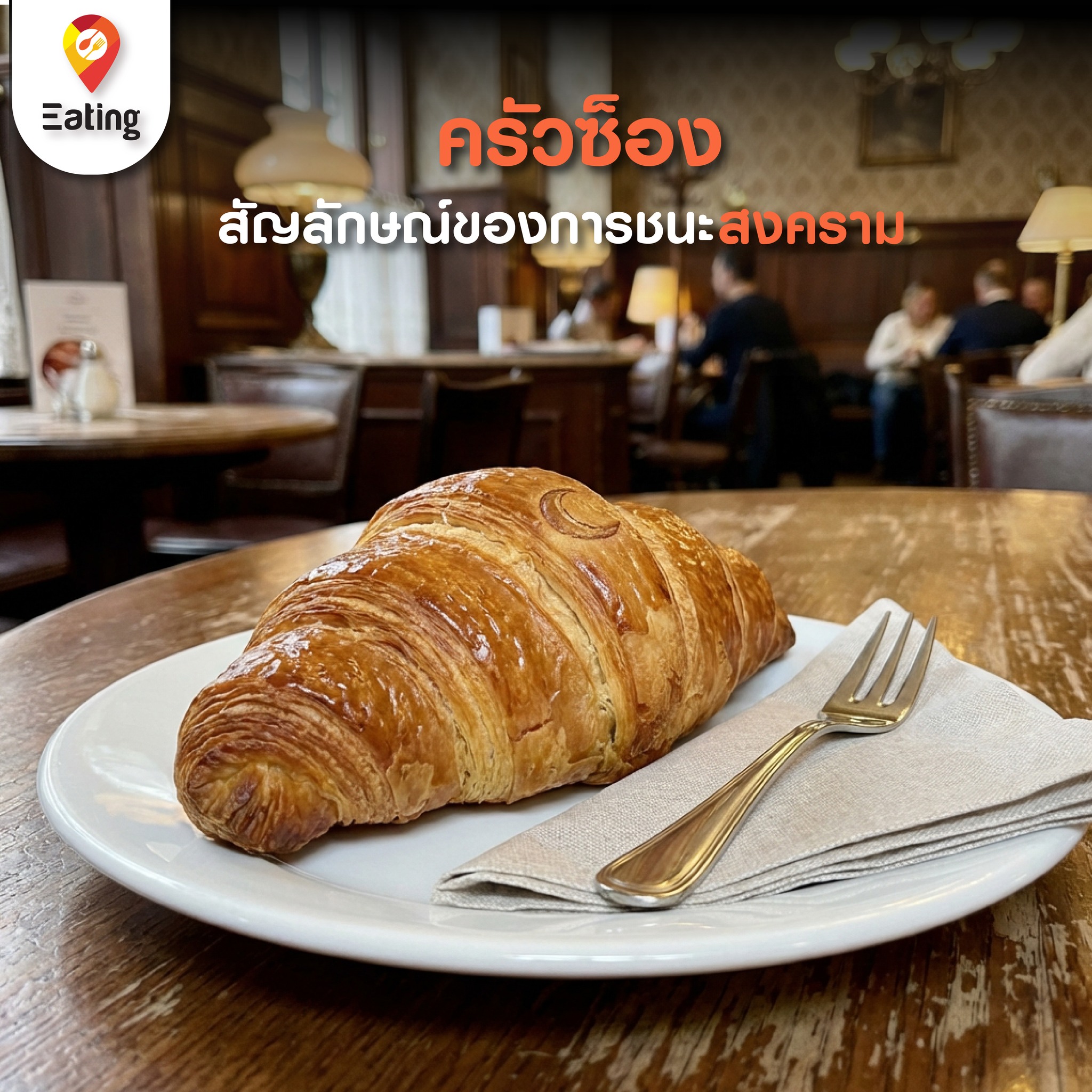
ครัวซ็อง สัญลักษณ์ของการชนะสงคราม
ครัวซ็อง (Croissant)
เป็นขนมอบชื่อดังที่หลายคนคิดว่าเป็นของฝรั่งเศสแท้ ๆ แต่จริง ๆ แล้วมีที่มาน่าสนใจกว่านั้น
ต้นกำเนิดของครัวซ็องย้อนกลับไปถึง ประเทศออสเตรีย ในศตวรรษที่ 17 โดยมีขนมชื่อว่า คิพเฟิล (Kipferl) ซึ่งเป็นขนมปังรูปพระจันทร์เสี้ยว ทำจากแป้งธรรมดา ยังไม่ใช้เนยซ้อนชั้นแบบครัวซ็องในปัจจุบัน
.
ตามตำนานเล่าว่า หลังจากกรุงเวียนนารอดพ้นจากการบุกของออตโตมัน รูปทรงพระจันทร์เสี้ยวถูกนำมาใช้เป็นสัญลักษณ์แห่งชัยชนะ ครัวซ็องอาจถูกจดจำในฐานะขนมอบหอมเนยคู่โต๊ะอาหารเช้าของฝรั่งเศส แต่เบื้องหลังรูปทรงพระจันทร์เสี้ยวกลับเชื่อมโยงกับประวัติศาสตร์สงครามอย่างคาดไม่ถึง
.
เรื่องเล่าย้อนกลับไปถึงปี ค.ศ. 1683 เมื่อกรุงเวียนนารอดพ้นจากการถูกล้อมและรุกรานโดยจักรวรรดิออตโตมัน ซึ่งในยุคนั้นใช้สัญลักษณ์พระจันทร์เสี้ยวบนธงและเครื่องหมายทางทหาร หลังชัยชนะ
.
ชาวเมืองเวียนนา โดยเฉพาะกลุ่มช่างอบขนม ได้นำสัญลักษณ์ของฝ่ายผู้แพ้มาสร้างเป็นขนมรูปพระจันทร์เสี้ยว เพื่อเฉลิมฉลองและประกาศชัยชนะในรูปแบบที่เรียบง่ายแต่ทรงพลัง การ “กิน” สัญลักษณ์ของศัตรูจึงกลายเป็นการแปรเปลี่ยนความขัดแย้งจากสนามรบสู่โต๊ะอาหาร
.
ขนมนี้รู้จักกันในชื่อ "คิพเฟิล" ก่อนจะเดินทางเข้าสู่ฝรั่งเศสและถูกพัฒนาด้วยเทคนิคการพับแป้งซ้อนเนยจนกลายเป็นครัวซ็องอย่างที่คุ้นเคย แม้เรื่องราวนี้จะถูกจัดอยู่ในหมวดตำนานทางประวัติศาสตร์มากกว่าหลักฐานเชิงเอกสารที่ชัดเจน
.
แต่ก็สะท้อนให้เห็นว่าอาหารไม่ใช่เพียงสิ่งหล่อเลี้ยงร่างกาย หากยังเป็นภาชนะบรรจุความทรงจำ ชัยชนะ และอัตลักษณ์ของผู้คนในแต่ละยุคสมัย และทำให้ครัวซ็องไม่ได้เป็นแค่ขนมอบธรรมดา แต่เป็นสัญลักษณ์แห่งชัยชนะที่ถูกเล่าซ้ำผ่านรสชาติและรูปทรงมาจนถึงปัจจุบัน
.
คำว่า “Croissant” ในภาษาฝรั่งเศสแปลว่า “พระจันทร์เสี้ยว” ซึ่งสอดคล้องกับรูปร่างของขนม และในปี ค.ศ. 1920 ครัวซ็องเนยก็ได้รับการยอมรับให้เป็นขนมอบแบบฝรั่งเศสอย่างเป็นทางการ
.
ปัจจุบันครัวซ็องกลายเป็นสัญลักษณ์ของอาหารเช้าสไตล์ฝรั่งเศส และถูกดัดแปลงหลากหลายรูปแบบทั่วโลก ทั้งไส้หวาน ไส้คาว และครัวซ็องลูกผสมแบบฟิวชัน
เป็นขนมอบชื่อดังที่หลายคนคิดว่าเป็นของฝรั่งเศสแท้ ๆ แต่จริง ๆ แล้วมีที่มาน่าสนใจกว่านั้น
ต้นกำเนิดของครัวซ็องย้อนกลับไปถึง ประเทศออสเตรีย ในศตวรรษที่ 17 โดยมีขนมชื่อว่า คิพเฟิล (Kipferl) ซึ่งเป็นขนมปังรูปพระจันทร์เสี้ยว ทำจากแป้งธรรมดา ยังไม่ใช้เนยซ้อนชั้นแบบครัวซ็องในปัจจุบัน
.
ตามตำนานเล่าว่า หลังจากกรุงเวียนนารอดพ้นจากการบุกของออตโตมัน รูปทรงพระจันทร์เสี้ยวถูกนำมาใช้เป็นสัญลักษณ์แห่งชัยชนะ ครัวซ็องอาจถูกจดจำในฐานะขนมอบหอมเนยคู่โต๊ะอาหารเช้าของฝรั่งเศส แต่เบื้องหลังรูปทรงพระจันทร์เสี้ยวกลับเชื่อมโยงกับประวัติศาสตร์สงครามอย่างคาดไม่ถึง
.
เรื่องเล่าย้อนกลับไปถึงปี ค.ศ. 1683 เมื่อกรุงเวียนนารอดพ้นจากการถูกล้อมและรุกรานโดยจักรวรรดิออตโตมัน ซึ่งในยุคนั้นใช้สัญลักษณ์พระจันทร์เสี้ยวบนธงและเครื่องหมายทางทหาร หลังชัยชนะ
.
ชาวเมืองเวียนนา โดยเฉพาะกลุ่มช่างอบขนม ได้นำสัญลักษณ์ของฝ่ายผู้แพ้มาสร้างเป็นขนมรูปพระจันทร์เสี้ยว เพื่อเฉลิมฉลองและประกาศชัยชนะในรูปแบบที่เรียบง่ายแต่ทรงพลัง การ “กิน” สัญลักษณ์ของศัตรูจึงกลายเป็นการแปรเปลี่ยนความขัดแย้งจากสนามรบสู่โต๊ะอาหาร
.
ขนมนี้รู้จักกันในชื่อ "คิพเฟิล" ก่อนจะเดินทางเข้าสู่ฝรั่งเศสและถูกพัฒนาด้วยเทคนิคการพับแป้งซ้อนเนยจนกลายเป็นครัวซ็องอย่างที่คุ้นเคย แม้เรื่องราวนี้จะถูกจัดอยู่ในหมวดตำนานทางประวัติศาสตร์มากกว่าหลักฐานเชิงเอกสารที่ชัดเจน
.
แต่ก็สะท้อนให้เห็นว่าอาหารไม่ใช่เพียงสิ่งหล่อเลี้ยงร่างกาย หากยังเป็นภาชนะบรรจุความทรงจำ ชัยชนะ และอัตลักษณ์ของผู้คนในแต่ละยุคสมัย และทำให้ครัวซ็องไม่ได้เป็นแค่ขนมอบธรรมดา แต่เป็นสัญลักษณ์แห่งชัยชนะที่ถูกเล่าซ้ำผ่านรสชาติและรูปทรงมาจนถึงปัจจุบัน
.
คำว่า “Croissant” ในภาษาฝรั่งเศสแปลว่า “พระจันทร์เสี้ยว” ซึ่งสอดคล้องกับรูปร่างของขนม และในปี ค.ศ. 1920 ครัวซ็องเนยก็ได้รับการยอมรับให้เป็นขนมอบแบบฝรั่งเศสอย่างเป็นทางการ
.
ปัจจุบันครัวซ็องกลายเป็นสัญลักษณ์ของอาหารเช้าสไตล์ฝรั่งเศส และถูกดัดแปลงหลากหลายรูปแบบทั่วโลก ทั้งไส้หวาน ไส้คาว และครัวซ็องลูกผสมแบบฟิวชัน
.
Croissant
The croissant is a famous pastry that many people assume is purely French, but its origins are actually far more intriguing. The story of the croissant can be traced back to Austria in the 17th century, to a pastry called Kipferl, a crescent-shaped bread made from simple dough, long before the buttery, laminated layers of the modern croissant existed.
.
According to legend, after Vienna successfully repelled an invasion by the Ottoman Empire, the crescent shape was adopted as a symbol of victory. While today the croissant is remembered as a buttery pastry on a French breakfast table, the crescent form is unexpectedly linked to the history of war.
.
The tale dates back to 1683, when Vienna survived a siege by the Ottoman forces, who at the time used the crescent moon as a symbol on their flags and military insignia. After the victory, the people of Vienna—especially bakers—turned the defeated enemy’s symbol into a pastry shaped like a crescent to celebrate and proclaim their triumph. The act of “eating” the enemy’s symbol became a powerful yet simple way to transform conflict from the battlefield into everyday life at the dining table.
.
This pastry was known as Kipferl before it made its way to France, where it was refined using the technique of folding dough with layers of butter, eventually becoming the croissant we know today. Although this story is considered more of a historical legend than one supported by definitive documentary evidence, it clearly illustrates that food is not merely sustenance, but also a vessel for memory, victory, and cultural identity.
.
As a result, the croissant is more than just a pastry—it is a symbol of triumph retold through flavor and form across generations. The word “croissant” in French means “crescent”, perfectly matching its shape, and in 1920, the butter croissant was officially recognized as a traditional French pastry. Today, the croissant has become an icon of French-style breakfast culture and has been endlessly adapted around the world, appearing in sweet and savory fillings as well as countless modern fusion variations.
The croissant is a famous pastry that many people assume is purely French, but its origins are actually far more intriguing. The story of the croissant can be traced back to Austria in the 17th century, to a pastry called Kipferl, a crescent-shaped bread made from simple dough, long before the buttery, laminated layers of the modern croissant existed.
.
According to legend, after Vienna successfully repelled an invasion by the Ottoman Empire, the crescent shape was adopted as a symbol of victory. While today the croissant is remembered as a buttery pastry on a French breakfast table, the crescent form is unexpectedly linked to the history of war.
.
The tale dates back to 1683, when Vienna survived a siege by the Ottoman forces, who at the time used the crescent moon as a symbol on their flags and military insignia. After the victory, the people of Vienna—especially bakers—turned the defeated enemy’s symbol into a pastry shaped like a crescent to celebrate and proclaim their triumph. The act of “eating” the enemy’s symbol became a powerful yet simple way to transform conflict from the battlefield into everyday life at the dining table.
.
This pastry was known as Kipferl before it made its way to France, where it was refined using the technique of folding dough with layers of butter, eventually becoming the croissant we know today. Although this story is considered more of a historical legend than one supported by definitive documentary evidence, it clearly illustrates that food is not merely sustenance, but also a vessel for memory, victory, and cultural identity.
.
As a result, the croissant is more than just a pastry—it is a symbol of triumph retold through flavor and form across generations. The word “croissant” in French means “crescent”, perfectly matching its shape, and in 1920, the butter croissant was officially recognized as a traditional French pastry. Today, the croissant has become an icon of French-style breakfast culture and has been endlessly adapted around the world, appearing in sweet and savory fillings as well as countless modern fusion variations.