Insider
New Experience
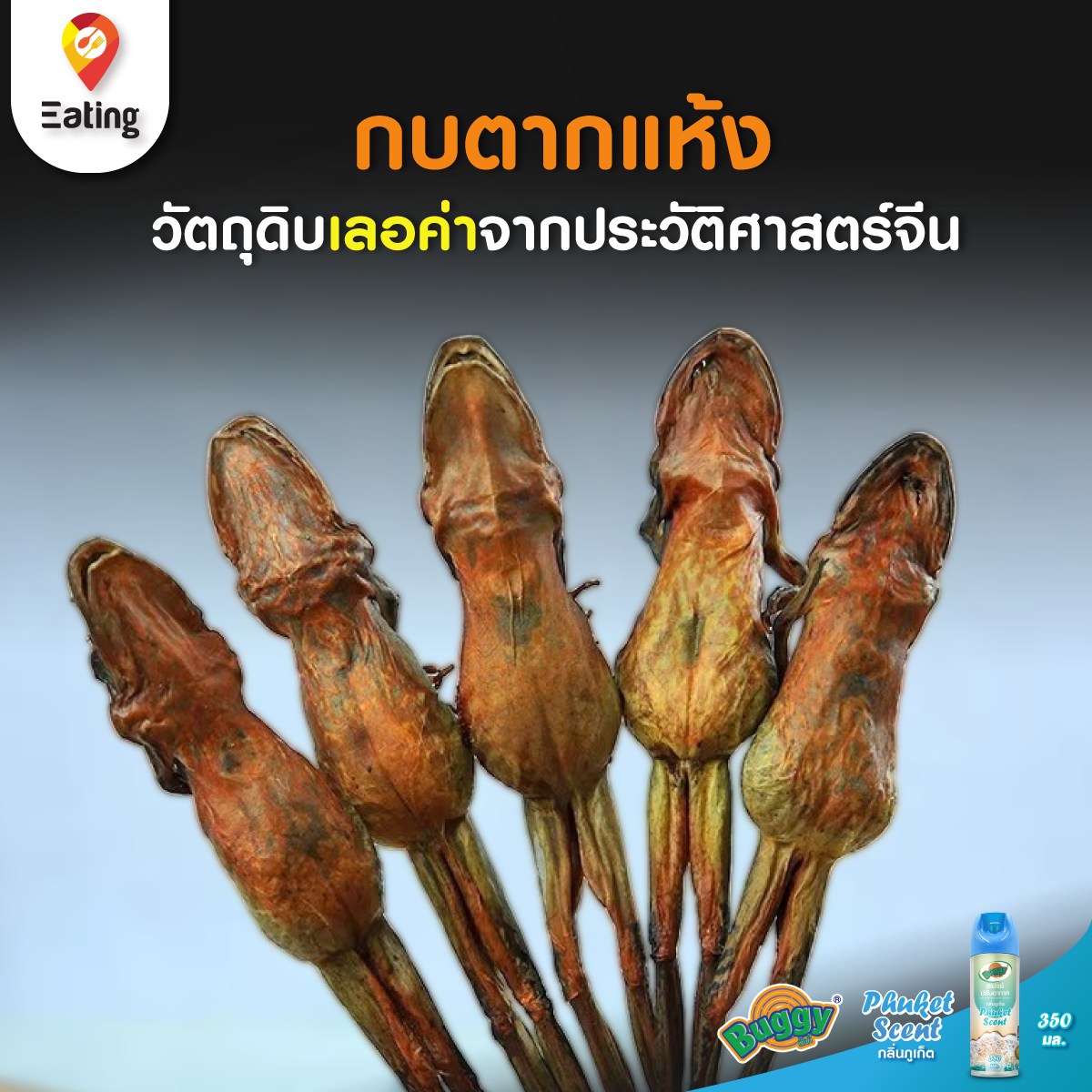
กบตากแห้ง วัตถุดิบเลอค่าจากประวัติศาสตร์จีน

 กบตากแห้ง วัตถุดิบเลอค่าจากประวัติศาสตร์จีน
ในโลกอาหารจีนโบราณ นอกจากรังนก หูฉลาม และโสม
ยังมีอีกหนึ่งวัตถุดิบชั้นสูงที่คนยุคก่อนยกย่องไม่แพ้กัน นั่นคือ “กบตากแห้ง”
 จุดเริ่มต้นในราชสำนักจีน
บันทึกทางประวัติศาสตร์ระบุว่า...
คนจีนรู้จักการบริโภคกบมาตั้งแต่สมัยราชวงศ์ถังและซ่ง
โดยเฉพาะในแถบกวางตุ้ง เสฉวน และฝูเจี้ยน
ต่อมาในยุคราชวงศ์หมิง–ชิง
กบตากแห้งถูกยกให้เป็นอาหารบำรุงชั้นสูง
ที่มีไว้ปรุงถวาย “ฮ่องเต้และชนชั้นสูง” เท่านั้น
เพราะเชื่อว่าเป็นอาหารที่ช่วย
 บำรุงกำลัง ฟื้นฟูร่างกาย เสริมพลังชี่ตามตำราแพทย์แผนจีน เหมาะกับการทำซุปบำรุงแบบราชสำนัก
จึงถูกจัดอยู่ในกลุ่มเดียวกับวัตถุดิบล้ำค่าอย่างรังนกและกระเพาะปลา
ทำไมกบตากแห้งถึงมีคุณค่า?- ในอดีต กบตากแห้งไม่ใช่อาหารที่หาง่าย
- ต้องจับกบตามฤดูกาล
- คัดเลือกเฉพาะกบคุณภาพดี
- ผ่านขั้นตอนทำความสะอาดและตากแห้งอย่างพิถีพิถัน
- ใช้เวลานานและแรงงานฝีมือสูง
ทำให้กบตากแห้งกลายเป็นวัตถุดิบหายาก
ที่เหมาะสำหรับครัวหลวงและภัตตาคารชั้นสูงเท่านั้น
 คุณประโยชน์ตามภูมิปัญญาจีน
ตำราแพทย์จีนโบราณมองว่ากบตากแห้งเป็นอาหารบำรุงชั้นดี
โปรตีนสูง ไขมันต่ำ ย่อยง่าย เหมาะกับคนฟื้นไข้ บำรุงเลือดและกำลัง ช่วยฟื้นฟูร่างกาย นิยมใช้ทำซุปสมุนไพรเพื่อสุขภาพจึงมักถูกนำไปตุ๋นร่วมกับโสม เห็ดหอม และยาจีน
เป็นเมนูบำรุงที่เสิร์ฟในงานเลี้ยงสำคัญของชนชั้นสูง
 วัฒนธรรมการกินที่สืบทอดมาถึงปัจจุบัน
แม้กาลเวลาจะเปลี่ยนไป แต่กบตากแห้งยังคงอยู่ในครัวจีนแบบดั้งเดิม
โดยเฉพาะเมนู
ซุปกบตุ๋นยาจีน / กบตากแห้งตุ๋นสมุนไพร / อาหารบำรุงสำหรับผู้สูงอายุและคนพักฟื้น
จากวัตถุดิบในราชสำนัก สู่หนึ่งในเมนูระดับพรีเมียมของภัตตาคารจีนยุคใหม่
A Secret Royal Court Delicacy! Dried Frog – A Precious Ingredient of the Dragon Land
Dried Frog – A Valuable Ingredient from Chinese History
In the world of ancient Chinese cuisine, beyond bird’s nest, shark fin, and ginseng,
there was another premium ingredient highly revered by people of the past — “dried frog.”
Origins in the Chinese Imperial Court
Historical records indicate that...
the Chinese have consumed frogs since the Tang and Song dynasties,
especially in regions such as Guangdong, Sichuan, and Fujian.
Later, during the Ming and Qing dynasties,
dried frog was elevated to a high-class nourishing food,
reserved exclusively for the emperor and the elite class.
It was believed to help:
Boost energy
Restore the body
Enhance “Qi” according to traditional Chinese medicine
Suit royal-style nourishing soups
Thus, it was placed in the same category as luxurious ingredients like bird’s nest and fish maw.
Why Is Dried Frog So Valuable?
- In the past, dried frog was not easy to obtain
- Frogs had to be caught seasonally
- Only high-quality frogs were selected
- They underwent meticulous cleaning and drying processes
It required time and skilled craftsmanship
This made dried frog a rare ingredient,
suitable only for royal kitchens and high-end restaurants.
Health Benefits According to Chinese Wisdom
Ancient Chinese medicine regarded dried frog as a superior nourishing food:
High in protein, low in fat
Easy to digest, suitable for recovery patients
Nourishes blood and boosts strength
Helps restore the body
Commonly used in herbal health soups
It is often stewed with ginseng, shiitake mushrooms, and Chinese herbs,
served as a nourishing dish at important banquets of the elite.
A Culinary Tradition That Lives On
Although times have changed, dried frog remains part of traditional Chinese cuisine.
Especially in dishes such as:
Herbal stewed frog soup
Dried frog stewed with Chinese herbs
Nourishing meals for the elderly and those recovering from illness
From a royal court ingredient,
it has become one of the premium menu items in modern Chinese restaurants.