Loading...
Insider
New Experience
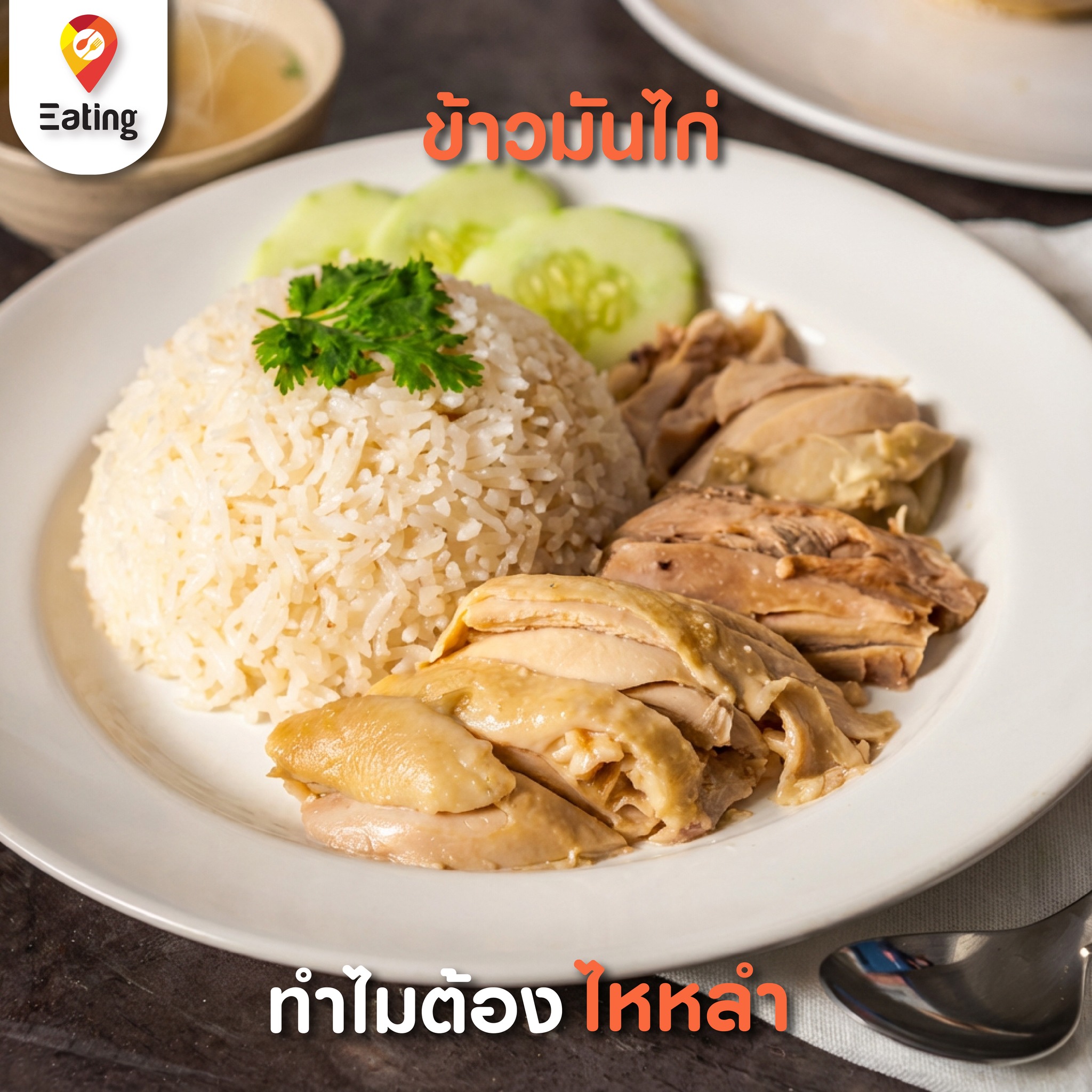
ข้าวมันไก่ ทำไมต้องไหหลำ
เคยสงสัยไหม ข้าวมันไก่ ทำไมต้อง "ไหหลำ"
ข้าวมันไก่ที่เราคุ้นเคยกันในทุกมุมเมืองนั้น แท้จริงแล้วมีรากเหง้าที่โยงกลับไปไกลถึงชาวไหหลำจากเกาะไหหนานทางตอนใต้ของจีน ผู้คนกลุ่มนี้อพยพลงใต้มาพร้อมวิถีชีวิต ความเชื่อ และรสมือที่สืบทอดกันมาอย่างยาวนาน
.
ในครัวเรือนของชาวไหหลำมีอาหารหนึ่งจานที่เรียบง่ายแต่ละเอียดอ่อน คือไก่ต้มเนื้อใสนุ่มที่เรียกว่า “เวิ่นฉางจี” ซึ่งจะต้มไก่ด้วยไฟอ่อนให้หนังตึง เนื้อเด้ง และได้น้ำซุปใสที่กลมกล่อม จากนั้นน้ำซุปนี้เองจะถูกนำไปหุงข้าวจนเกิดเป็นข้าวมันหอมอ่อน ๆ ไม่ใช่มันจัดแต่เป็นความมันตามธรรมชาติของไก่
.
เมื่อชาวไหหลำเดินทางมาอยู่ในเอเชียตะวันออกเฉียงใต้ ไม่ว่าจะเป็นไทย สิงคโปร์ หรือมาเลเซีย สูตรดั้งเดิมนี้ก็ถูกปรับไปตามวัตถุดิบและลิ้นของผู้คนในแต่ละพื้นที่ แต่แก่นแท้นั้นยังคงอยู่ในภาพของไก่ต้มชิ้นเนียน ข้าวมันที่มีกลิ่นหอมเฉพาะตัว และน้ำจิ้มเต้าเจี้ยวผสมขิงและพริกที่เป็นเอกลักษณ์ ความเป็น “ไหหลำ”
.
ในจานข้าวมันไก่จึงไม่ได้เป็นเพียงคำต่อท้าย แต่สะท้อนถึงประวัติศาสตร์การเดินทางของผู้คนกลุ่มหนึ่งที่นำสูตรพื้นถิ่นมาฝากไว้ยังดินแดนใหม่ให้ผู้คนทุกเชื้อสายได้ลิ้มรส ราวกับว่าทุกช้อนที่ตักขึ้นมาคือเรื่องเล่าของการอพยพ การผสมผสาน และการคงอยู่ของวัฒนธรรมที่แทรกซึมอยู่ในอาหารจานธรรมดาที่ใคร ๆ ก็เข้าถึงได้
.
ทุกวันนี้แม้ร้านข้าวมันไก่ในไทยจะมีทั้งสูตรไก่ต้ม ไก่ทอด ข้าวมันที่หอมกระเทียมชัดขึ้น และน้ำจิ้มที่ปรุงให้เข้มข้นตามแบบไทย แต่รากเหง้าจากเกาะไหหลำก็ยังคงปรากฏอยู่ในทุกองค์ประกอบของจานนี้อย่างเงียบงาม ทำให้ข้าวมันไก่ไม่ใช่เพียงอาหารจานเดียว แต่เป็นเรื่องเล่าเดินทางของวัฒนธรรมที่ข้ามทะเลมาเป็นส่วนหนึ่งของชีวิตประจำวันของเราโดยไม่รู้ตัว
ข้าวมันไก่ที่เราคุ้นเคยกันในทุกมุมเมืองนั้น แท้จริงแล้วมีรากเหง้าที่โยงกลับไปไกลถึงชาวไหหลำจากเกาะไหหนานทางตอนใต้ของจีน ผู้คนกลุ่มนี้อพยพลงใต้มาพร้อมวิถีชีวิต ความเชื่อ และรสมือที่สืบทอดกันมาอย่างยาวนาน
.
ในครัวเรือนของชาวไหหลำมีอาหารหนึ่งจานที่เรียบง่ายแต่ละเอียดอ่อน คือไก่ต้มเนื้อใสนุ่มที่เรียกว่า “เวิ่นฉางจี” ซึ่งจะต้มไก่ด้วยไฟอ่อนให้หนังตึง เนื้อเด้ง และได้น้ำซุปใสที่กลมกล่อม จากนั้นน้ำซุปนี้เองจะถูกนำไปหุงข้าวจนเกิดเป็นข้าวมันหอมอ่อน ๆ ไม่ใช่มันจัดแต่เป็นความมันตามธรรมชาติของไก่
.
เมื่อชาวไหหลำเดินทางมาอยู่ในเอเชียตะวันออกเฉียงใต้ ไม่ว่าจะเป็นไทย สิงคโปร์ หรือมาเลเซีย สูตรดั้งเดิมนี้ก็ถูกปรับไปตามวัตถุดิบและลิ้นของผู้คนในแต่ละพื้นที่ แต่แก่นแท้นั้นยังคงอยู่ในภาพของไก่ต้มชิ้นเนียน ข้าวมันที่มีกลิ่นหอมเฉพาะตัว และน้ำจิ้มเต้าเจี้ยวผสมขิงและพริกที่เป็นเอกลักษณ์ ความเป็น “ไหหลำ”
.
ในจานข้าวมันไก่จึงไม่ได้เป็นเพียงคำต่อท้าย แต่สะท้อนถึงประวัติศาสตร์การเดินทางของผู้คนกลุ่มหนึ่งที่นำสูตรพื้นถิ่นมาฝากไว้ยังดินแดนใหม่ให้ผู้คนทุกเชื้อสายได้ลิ้มรส ราวกับว่าทุกช้อนที่ตักขึ้นมาคือเรื่องเล่าของการอพยพ การผสมผสาน และการคงอยู่ของวัฒนธรรมที่แทรกซึมอยู่ในอาหารจานธรรมดาที่ใคร ๆ ก็เข้าถึงได้
.
ทุกวันนี้แม้ร้านข้าวมันไก่ในไทยจะมีทั้งสูตรไก่ต้ม ไก่ทอด ข้าวมันที่หอมกระเทียมชัดขึ้น และน้ำจิ้มที่ปรุงให้เข้มข้นตามแบบไทย แต่รากเหง้าจากเกาะไหหลำก็ยังคงปรากฏอยู่ในทุกองค์ประกอบของจานนี้อย่างเงียบงาม ทำให้ข้าวมันไก่ไม่ใช่เพียงอาหารจานเดียว แต่เป็นเรื่องเล่าเดินทางของวัฒนธรรมที่ข้ามทะเลมาเป็นส่วนหนึ่งของชีวิตประจำวันของเราโดยไม่รู้ตัว
.
Have you ever wondered why chicken rice is called “Hainanese” chicken rice? The dish we find on countless street corners across Thailand actually traces its roots back to the Hainanese people from Hainan Island in southern China. These migrants traveled south carrying with them their way of life, their beliefs, and culinary traditions passed down through generations.
In Hainanese households, there is a simple yet exquisitely crafted dish known as Wenchang chicken—tender, translucent poached chicken cooked gently over low heat until the skin tightens and the meat becomes delicately springy. The resulting clear, savory broth is then used to cook rice, giving it a soft fragrance and a natural richness derived from the chicken itself rather than heavy seasoning or added fats.
As Hainanese communities settled throughout Southeast Asia—whether in Thailand, Singapore, or Malaysia—the original recipe adapted to local ingredients and palates. Yet its essence remained: smooth slices of poached chicken, rice infused with a distinct aroma, and a signature dipping sauce made from fermented soybeans, ginger, and chili. The word “Hainanese” attached to this dish is thus far more than a label; it reflects the journey of a people who carried their culinary heritage across the sea, leaving behind a recipe that would become beloved by many cultures. Each spoonful is, in a way, a story of migration, adaptation, and the quiet persistence of tradition woven into an everyday meal.
Today, Thai chicken rice comes in many styles—poached, fried, rice fragrant with garlic, and dipping sauces enriched to suit local tastes. But the Hainanese roots still linger gently in every component of the dish. Chicken rice is no longer just a humble meal; it is a narrative of culture carried across the ocean, now seamlessly woven into the fabric of our daily lives.
In Hainanese households, there is a simple yet exquisitely crafted dish known as Wenchang chicken—tender, translucent poached chicken cooked gently over low heat until the skin tightens and the meat becomes delicately springy. The resulting clear, savory broth is then used to cook rice, giving it a soft fragrance and a natural richness derived from the chicken itself rather than heavy seasoning or added fats.
As Hainanese communities settled throughout Southeast Asia—whether in Thailand, Singapore, or Malaysia—the original recipe adapted to local ingredients and palates. Yet its essence remained: smooth slices of poached chicken, rice infused with a distinct aroma, and a signature dipping sauce made from fermented soybeans, ginger, and chili. The word “Hainanese” attached to this dish is thus far more than a label; it reflects the journey of a people who carried their culinary heritage across the sea, leaving behind a recipe that would become beloved by many cultures. Each spoonful is, in a way, a story of migration, adaptation, and the quiet persistence of tradition woven into an everyday meal.
Today, Thai chicken rice comes in many styles—poached, fried, rice fragrant with garlic, and dipping sauces enriched to suit local tastes. But the Hainanese roots still linger gently in every component of the dish. Chicken rice is no longer just a humble meal; it is a narrative of culture carried across the ocean, now seamlessly woven into the fabric of our daily lives.