Loading...
Insider
New Experience
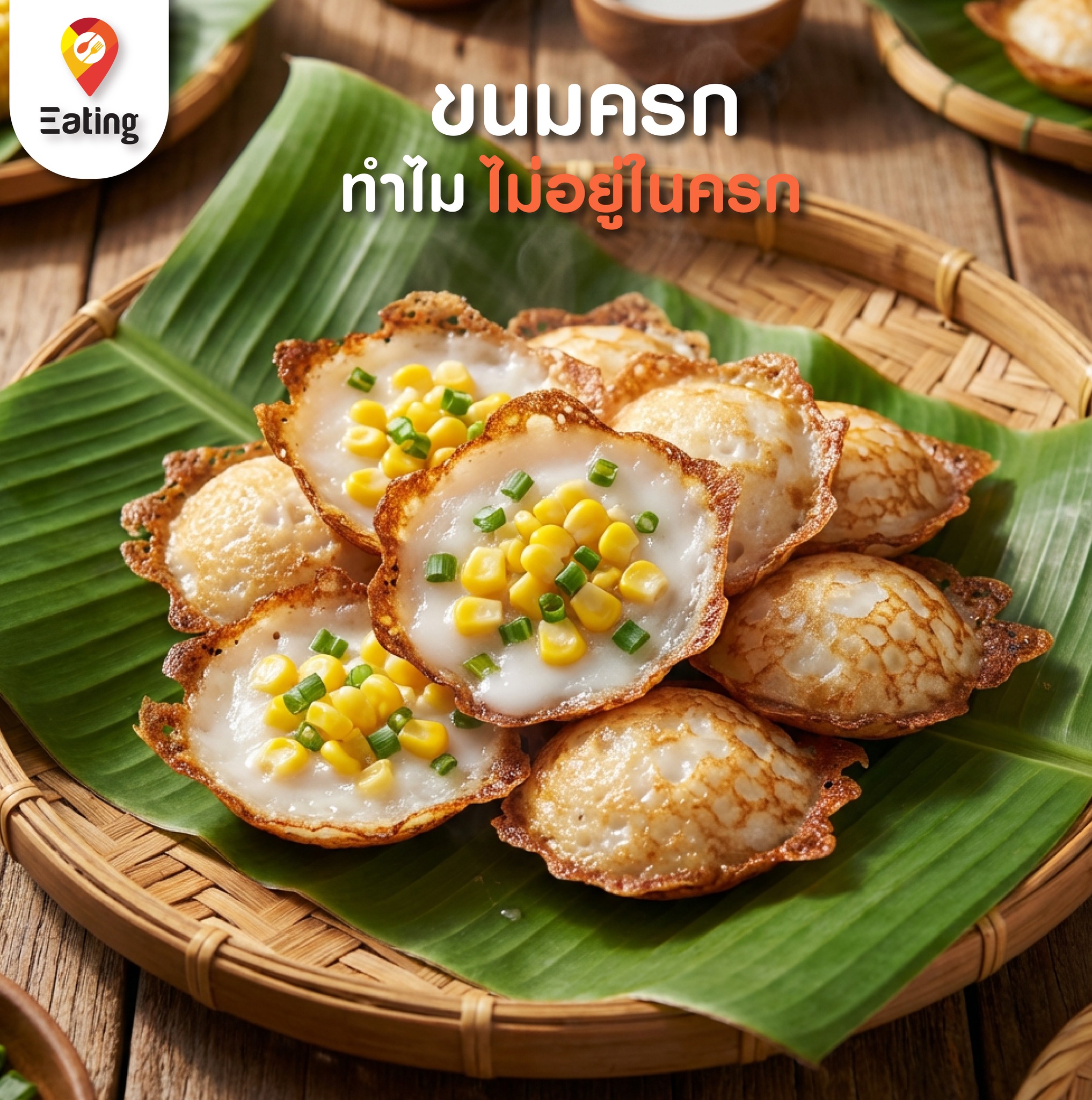
ขนมครก ทำไมไม่อยู่ในครก?
ขนมครกทำไม… ไม่อยู่ในครก?
ขนมครกเป็นหนึ่งในของหวานที่ปรากฏในตำราทำอาหารสมัยอยุธยาตอนปลาย–ต้นรัตนโกสินทร์ ทำจากแป้งน้ำตาลและกะทิ แล้วเทลงบนเตาหลุม เวลาจะรับประทานต้องแคะออกมาเป็นแผ่นวงกลม แล้วมักวางประกบกันตอนรับประทาน
.
เพราะ “ครก” ในชื่อไม่ใช่ครกตำพริก แต่เป็นคำที่เพี้ยนมาจากภาษาโบราณ “ครก” มาจากคำว่า โกรก / โคลก / คก เป็นคำโบราณที่หมายถึง การกระแทก การโคลกให้ละเอียด เพราะขั้นตอนการทำแป้งขนมครกในยุคก่อน ที่ต้อง ตำข้าวให้แหลกในครก เพื่อทำแป้งข้าวเจ้า ก่อนมีเครื่องโม่หรือเครื่องบดไฟฟ้า
.
มีนิทานรักขนมครกด้วย เล่าว่า "ไอ้กะทิ หนุ่มน้อยแห่งดงมะพร้าวเตี้ย แอบมีความรักกับหนูแป้ง สาวสวยประจำ หมู่บ้าน ซึ่งเป็นลูกสาวคนเดียวของผู้ใหญ่บ้าน ทั้งคู่ เจอกันวันลอยกระทง และสัญญากันต่อหน้าพระจันทร์ ไม่ว่าข้างหน้า แม้จะมีอุปสรรคขวางกั้นเพียงใด ทั้งคู่ก็จะขอยึดมั่นความรักแท้ที่มีต่อ กันชั่วฟ้าดินสลาย
.
ไอ้กะทิ ก้มหน้าก้มตาเก็บหอมรอมริบหาเงินเพื่อมาสู่ขอลูกสาวจาก ผู้ใหญ่บ้าน แต่กลับถูกปฏิเสธแถมยังโดนผู้ใหญ่บ้านส่งชายฉกรรจ์ พร้อมอาวุธครบมือมาลอบทำ ร้าย แต่ไอ้กะทิก็ไม่ว่ากระไร มันพาร่าง อันสะบักสะบอมกลับไปบ้าน นอนหยอดน้ำ ข้าวต้มซะหลายวัน แต่ ใจยังตั้งมั่นว่าวันหน้าจะมาสู่ขอหนูแป้งใหม่จนกว่าผู้ใหญ่บ้านจะ ใจอ่อน
.
แต่ไอ้กะทิก็พังพินาศเมื่อผู้ใหญ่ยกหนูแป้ง ลูกสาวคนสวยให้ แต่งงานกับปลัดหนุ่มจากบางกอก ไอ้กะทิรู้ข่าวจึงรีบกระเสือก กระสนหมายจะมายับยั้งการแต่งงานครั้งนี้
.
ซึ่งผู้ใหญ่บ้านก็วางแผนป้องกันไว้แล้ว โดยขุดหลุมพรางดักรอ ไว้ แต่แม่แป้งแอบได้ยินแผนร้ายเสียก่อน จึงลอบหนีออกมา หมายจะห้ามหนุ่มคนรักไม่ให้ตกหลุมพราง
.
คืนนั้นเป็นคืนเดือนแรม หนูแป้งวิ่งฝ่าความมืดออกมาเพื่อดักหน้าไอ้กะทิ ไอ้กะทิเห็นหนูแป้งวิ่งมาก็ดีใจทั้งคู่รีบวิ่งเข้าหากัน ฉับพลัน!!…ร่างของ หนูแป้งก็ร่วงหล่นลงไปในหลุมพรางของผู้ใหญ่บ้านผู้เป็นพ่อ ต่อหน้า ต่อตาไอ้กะทิ อารามตกใจไอ้กะทิก็รีบกระโดดตามลงไปเพื่อช่วยเหลือ หนูแป้ง
.
อารามดีใจสมุนชายฉกรรจ์ของผู้ใหญ่บ้านซึ่งแอบซุ่มอยู่ ก็รีบเข้ามาโกย ดินฝังกลบหลุมที่ทั้งคู่หล่นลงไป เพราะคิดว่าในหลุมมีเพียงไอ้กะทิผู้
.
รุ่งเช้าผู้ใหญ่บ้านสั่งให้ขุดหลุมเพื่อดูผลงาน แทบไม่เชื่อสายตาเบื้องล่าง ปรากฏร่างของไอ้กะทิตระกองกอดทับร่างหนูแป้งลูกสาวของตน ทั้งสอง นอนตายคู่กันอย่างมีความสุข เมื่อรอยยิ้มถูกเปลี่ยนเป็นน้ำ ตา ผู้ใหญ่บ้าน รำ พึงต่อหน้าศพของลูกสาวว่า
“ พ่อไม่น่าคิดทำ ลาย ความรักของลูกเลย ”
.
ตั้งแต่นั้นมาอนุสรณ์แห่งความรักที่กระทำ สืบทอดกันมาจนเป็นประเพณี ทุกแรม 6 ค่ำ เดือน 6 ชาวบ้านที่ศรัทธาในความรักของไอ้กะทิ กับแม่แป้ง ก็จะตื่นตั้งแต่เช้ามืด เข้าครัวเพื่อทำ ขนมที่หอมหวานปรุงจากแป้ง และกะทิ บรรจงหยอดลงหลุม พอสุกได้ที่ก็แคะจากหลุม แล้วนำ มาวางคว่ำ หน้าซ้อน กันเป็นสัญลักษณ์ว่า“จะได้อยู่ร่วมกันตลอดไป”
.
และในปี 2024 เว็บไซต์อาหารชื่อดังระดับโลกอย่าง TasteAtlas (TasteAtlas.com) ได้จัดอันดับ "ขนมหวานที่ดีที่สุดในเอเชียตะวันออกเฉียงใต้" (Best Desserts in Southeast Asia) โดยขนมครกจากประเทศไทยสามารถคว้าอันดับที่ 5 ไปครอง
ขนมครกเป็นหนึ่งในของหวานที่ปรากฏในตำราทำอาหารสมัยอยุธยาตอนปลาย–ต้นรัตนโกสินทร์ ทำจากแป้งน้ำตาลและกะทิ แล้วเทลงบนเตาหลุม เวลาจะรับประทานต้องแคะออกมาเป็นแผ่นวงกลม แล้วมักวางประกบกันตอนรับประทาน
.
เพราะ “ครก” ในชื่อไม่ใช่ครกตำพริก แต่เป็นคำที่เพี้ยนมาจากภาษาโบราณ “ครก” มาจากคำว่า โกรก / โคลก / คก เป็นคำโบราณที่หมายถึง การกระแทก การโคลกให้ละเอียด เพราะขั้นตอนการทำแป้งขนมครกในยุคก่อน ที่ต้อง ตำข้าวให้แหลกในครก เพื่อทำแป้งข้าวเจ้า ก่อนมีเครื่องโม่หรือเครื่องบดไฟฟ้า
.
มีนิทานรักขนมครกด้วย เล่าว่า "ไอ้กะทิ หนุ่มน้อยแห่งดงมะพร้าวเตี้ย แอบมีความรักกับหนูแป้ง สาวสวยประจำ หมู่บ้าน ซึ่งเป็นลูกสาวคนเดียวของผู้ใหญ่บ้าน ทั้งคู่ เจอกันวันลอยกระทง และสัญญากันต่อหน้าพระจันทร์ ไม่ว่าข้างหน้า แม้จะมีอุปสรรคขวางกั้นเพียงใด ทั้งคู่ก็จะขอยึดมั่นความรักแท้ที่มีต่อ กันชั่วฟ้าดินสลาย
.
ไอ้กะทิ ก้มหน้าก้มตาเก็บหอมรอมริบหาเงินเพื่อมาสู่ขอลูกสาวจาก ผู้ใหญ่บ้าน แต่กลับถูกปฏิเสธแถมยังโดนผู้ใหญ่บ้านส่งชายฉกรรจ์ พร้อมอาวุธครบมือมาลอบทำ ร้าย แต่ไอ้กะทิก็ไม่ว่ากระไร มันพาร่าง อันสะบักสะบอมกลับไปบ้าน นอนหยอดน้ำ ข้าวต้มซะหลายวัน แต่ ใจยังตั้งมั่นว่าวันหน้าจะมาสู่ขอหนูแป้งใหม่จนกว่าผู้ใหญ่บ้านจะ ใจอ่อน
.
แต่ไอ้กะทิก็พังพินาศเมื่อผู้ใหญ่ยกหนูแป้ง ลูกสาวคนสวยให้ แต่งงานกับปลัดหนุ่มจากบางกอก ไอ้กะทิรู้ข่าวจึงรีบกระเสือก กระสนหมายจะมายับยั้งการแต่งงานครั้งนี้
.
ซึ่งผู้ใหญ่บ้านก็วางแผนป้องกันไว้แล้ว โดยขุดหลุมพรางดักรอ ไว้ แต่แม่แป้งแอบได้ยินแผนร้ายเสียก่อน จึงลอบหนีออกมา หมายจะห้ามหนุ่มคนรักไม่ให้ตกหลุมพราง
.
คืนนั้นเป็นคืนเดือนแรม หนูแป้งวิ่งฝ่าความมืดออกมาเพื่อดักหน้าไอ้กะทิ ไอ้กะทิเห็นหนูแป้งวิ่งมาก็ดีใจทั้งคู่รีบวิ่งเข้าหากัน ฉับพลัน!!…ร่างของ หนูแป้งก็ร่วงหล่นลงไปในหลุมพรางของผู้ใหญ่บ้านผู้เป็นพ่อ ต่อหน้า ต่อตาไอ้กะทิ อารามตกใจไอ้กะทิก็รีบกระโดดตามลงไปเพื่อช่วยเหลือ หนูแป้ง
.
อารามดีใจสมุนชายฉกรรจ์ของผู้ใหญ่บ้านซึ่งแอบซุ่มอยู่ ก็รีบเข้ามาโกย ดินฝังกลบหลุมที่ทั้งคู่หล่นลงไป เพราะคิดว่าในหลุมมีเพียงไอ้กะทิผู้
.
รุ่งเช้าผู้ใหญ่บ้านสั่งให้ขุดหลุมเพื่อดูผลงาน แทบไม่เชื่อสายตาเบื้องล่าง ปรากฏร่างของไอ้กะทิตระกองกอดทับร่างหนูแป้งลูกสาวของตน ทั้งสอง นอนตายคู่กันอย่างมีความสุข เมื่อรอยยิ้มถูกเปลี่ยนเป็นน้ำ ตา ผู้ใหญ่บ้าน รำ พึงต่อหน้าศพของลูกสาวว่า
“ พ่อไม่น่าคิดทำ ลาย ความรักของลูกเลย ”
.
ตั้งแต่นั้นมาอนุสรณ์แห่งความรักที่กระทำ สืบทอดกันมาจนเป็นประเพณี ทุกแรม 6 ค่ำ เดือน 6 ชาวบ้านที่ศรัทธาในความรักของไอ้กะทิ กับแม่แป้ง ก็จะตื่นตั้งแต่เช้ามืด เข้าครัวเพื่อทำ ขนมที่หอมหวานปรุงจากแป้ง และกะทิ บรรจงหยอดลงหลุม พอสุกได้ที่ก็แคะจากหลุม แล้วนำ มาวางคว่ำ หน้าซ้อน กันเป็นสัญลักษณ์ว่า“จะได้อยู่ร่วมกันตลอดไป”
.
และในปี 2024 เว็บไซต์อาหารชื่อดังระดับโลกอย่าง TasteAtlas (TasteAtlas.com) ได้จัดอันดับ "ขนมหวานที่ดีที่สุดในเอเชียตะวันออกเฉียงใต้" (Best Desserts in Southeast Asia) โดยขนมครกจากประเทศไทยสามารถคว้าอันดับที่ 5 ไปครอง
.
Why Isn’t Khanom Krok Cooked in a Mortar?
.
Khanom Krok is one of the traditional Thai desserts recorded in cookbooks from the late Ayutthaya to early Rattanakosin period.
It’s made from rice flour, sugar, and coconut milk, then poured onto a special pan with small round hollows.
Once cooked, each piece is lifted out as a half-sphere and often paired into a full circle before serving.
.
The term “krok” in its name does not refer to a chili-grinding mortar. Instead, it comes from an ancient Thai word—krok / krok, krog, khok—referring to the action of pounding or crushing.
In the past, rice flour for khanom krok was prepared by pounding rice grains in a mortar before milling technology existed.
Thus, the name reflects the process, not the cooking vessel.
.
The Love Legend of Khanom Krok
.
There is also a folktale behind this dessert.
It tells the tragic love story of Kati, a young man from the coconut groves, who secretly fell in love with Nang Paeng, the beautiful daughter of the village chief.
They met during Loy Krathong night and promised, under the moonlight, that no matter what obstacles came their way, their love would remain eternal.
.
Kati worked tirelessly to save money and formally propose to the chief, but he was rejected. Worse, the chief sent armed men to attack him.
Wounded and heartbroken, Kati returned home and recovered slowly, still determined that one day he would ask for Paeng’s hand again.
.
But his hopes collapsed when the chief arranged for Paeng to marry a district officer from Bangkok.
Upon hearing this, Kati rushed to stop the wedding.
The chief, anticipating this, ordered a hidden pit trap to be dug.
.
Paeng overheard the plan and ran out in the dark to warn her beloved.
It was a moonless night. She ran toward him, and as they rushed into each other’s arms
Paeng fell into the trap.
Kati leapt in after her without hesitation.
The chief’s men, thinking only Kati was inside, quickly buried the pit.
At dawn, the chief ordered the pit opened to see the results.
.
To his shock, inside lay Kati and Paeng embracing each other, peacefully lifeless.
Overcome with grief, he whispered to his daughter’s body:
“I should never have destroyed your love.”
The Ritual That Followed
.
From that day on, the villagers created a tradition to honor their love.
On the 6th waxing day of the 6th lunar month, they prepare a dessert made of rice flour and coconut milk.
They gently pour the batter into round hollows.
Once cooked, they remove each piece and place two halves together—symbolizing the lovers who will forever be united.
.
Modern Recognition
In 2024, the world-renowned food site TasteAtlas (TasteAtlas.com) ranked khanom krok 5th on its list of “Best Desserts in Southeast Asia.”
A sweet testament to its enduring charm.
.
Khanom Krok is one of the traditional Thai desserts recorded in cookbooks from the late Ayutthaya to early Rattanakosin period.
It’s made from rice flour, sugar, and coconut milk, then poured onto a special pan with small round hollows.
Once cooked, each piece is lifted out as a half-sphere and often paired into a full circle before serving.
.
The term “krok” in its name does not refer to a chili-grinding mortar. Instead, it comes from an ancient Thai word—krok / krok, krog, khok—referring to the action of pounding or crushing.
In the past, rice flour for khanom krok was prepared by pounding rice grains in a mortar before milling technology existed.
Thus, the name reflects the process, not the cooking vessel.
.
The Love Legend of Khanom Krok
.
There is also a folktale behind this dessert.
It tells the tragic love story of Kati, a young man from the coconut groves, who secretly fell in love with Nang Paeng, the beautiful daughter of the village chief.
They met during Loy Krathong night and promised, under the moonlight, that no matter what obstacles came their way, their love would remain eternal.
.
Kati worked tirelessly to save money and formally propose to the chief, but he was rejected. Worse, the chief sent armed men to attack him.
Wounded and heartbroken, Kati returned home and recovered slowly, still determined that one day he would ask for Paeng’s hand again.
.
But his hopes collapsed when the chief arranged for Paeng to marry a district officer from Bangkok.
Upon hearing this, Kati rushed to stop the wedding.
The chief, anticipating this, ordered a hidden pit trap to be dug.
.
Paeng overheard the plan and ran out in the dark to warn her beloved.
It was a moonless night. She ran toward him, and as they rushed into each other’s arms
Paeng fell into the trap.
Kati leapt in after her without hesitation.
The chief’s men, thinking only Kati was inside, quickly buried the pit.
At dawn, the chief ordered the pit opened to see the results.
.
To his shock, inside lay Kati and Paeng embracing each other, peacefully lifeless.
Overcome with grief, he whispered to his daughter’s body:
“I should never have destroyed your love.”
The Ritual That Followed
.
From that day on, the villagers created a tradition to honor their love.
On the 6th waxing day of the 6th lunar month, they prepare a dessert made of rice flour and coconut milk.
They gently pour the batter into round hollows.
Once cooked, they remove each piece and place two halves together—symbolizing the lovers who will forever be united.
.
Modern Recognition
In 2024, the world-renowned food site TasteAtlas (TasteAtlas.com) ranked khanom krok 5th on its list of “Best Desserts in Southeast Asia.”
A sweet testament to its enduring charm.