Insider
New Experience
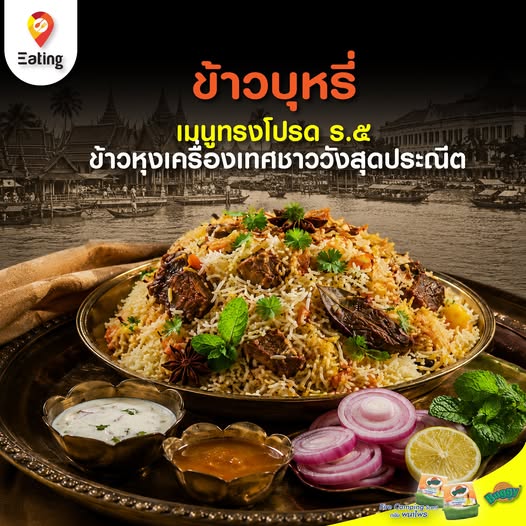
ข้าวบุหรี่
เมนูทรงโปรด ร.๕ ข้าวหุงเครื่องเทศชาววังสุดประณีต
หลายคนเห็นชื่อแล้วอาจจะสะดุดใจ "ข้าวบุหรี่" มีจริงหรือ? แล้วเกี่ยวข้องอะไรกับบุหรี่สูบไหม?
คำตอบคือ ไม่มีส่วนเกี่ยวข้องกับบุหรี่เลย
.
แต่ "ข้าวบุหรี่" (หรือ ข้าวบุเหล่า) คือชื่อของ เมนูข้าวหุงเครื่องเทศโบราณตำรับชาววัง ที่มีประวัติศาสตร์ยาวนานกว่า 200 ปี! เพี้ยนมาจากคำภาษาเปอร์เซีย/อินเดียอย่าง Biryani หรือ Kabuli (เมืองคาบูล) ซึ่งเป็นต้นตำรับข้าวหุงเครื่องเทศจากแถบตะวันออกกลาง
.
ต่างจาก "ข้าวหมก" ทั่วไปอย่างไร?
แม้ visual หน้าตาจะดูคล้ายข้าวหมกไก่ แต่รสชาติและกรรมวิธีนั้นมีความละเอียดประณีตสมเป็นอาหารชาววัง
.
กลิ่นหอมนวลละมุน ไม่เน้นผงกะหรี่ฉุนจัดแบบข้าวหมก แต่ใช้การผัดข้าวสารกับ เนย/กี (Ghee) และเครื่องเทศเทศอย่าง กระวานเทศ (ลูกเอ็น) กานพลู อบเชย และหญ้าฝรั่น (Saffron)
.
รสมันนุ่ม หุงด้วยนมสดหรือกะทิ ทำให้เม็ดข้าวมีความนุ่ม มัน และหอมละมุนเป็นเอกลักษณ์
เครื่องแต่งหน้าสุดพรีเมียม โรยด้วยเม็ดมะม่วงหิมพานต์ ถั่วพิสตาชิโอ และลูกเกด เพิ่มสัมผัสกรุบกรอบหวานมัน
.
จากกาพย์เห่ชมเครื่องคาวหวาน สู่เมนูทรงโปรด ร.๕
เมนูนี้ปรากฏชื่อมาตั้งแต่สมัยรัชกาลที่ 2 ดังในบทพระราชนิพนธ์ “ข้าวหุงปรุงอย่างเทศ รสพิเศษใส่ลูกเอ็น ” ต่อมาในสมัย พระบาทสมเด็จพระจุลจอมเกล้าเจ้าอยู่หัว (รัชกาลที่ ๕) ข้าวบุหรี่ได้กลายเป็น "เมนูทรงโปรด" และได้รับการบันทึกสูตรไว้อย่างเป็นทางการใน ตำราแม่ครัวหัวป่าก์ ของท่านผู้หญิงเปลี่ยน ภาสกรวงศ์
.
หอมละมุนจนทรงโปรด แต่กลิ่นแรงจนคนสมัยก่อนกินเสร็จต้องรีบไปแปรงฟัน!
เนื่องจากเป็นเมนูที่ได้รับอิทธิพลมาจากตระกูลข้าวหุงเครื่องเทศของตะวันออกกลางและอินเดีย (Biryani/Kabuli) เครื่องเทศที่ใช้หุงจึงจัดเต็มทั้ง กระวานเทศ กานพลู อบเชย หญ้าฝรั่น แถมบางสูตรยังใส่ น้ำดอกไม้เทศ หรือ น้ำกุหลาบ ลงไปเพื่อเพิ่มกลิ่นหอมเฉพาะตัวด้วย
.
"หอมละมุนจนทรงโปรด... แต่กลิ่นแรงจนคนสมัยก่อนกินเสร็จต้องรีบไปแปรงฟัน!"
สำหรับคนไทยสมัยก่อนที่คุ้นเคยกับข้าวหุงธรรมดาหรืออาหารรสชาติไทยเดิม กลิ่นเครื่องเทศฉุนกึกที่อบอวลติดปากติดฟันหลังกินเสร็จจึงกลายเป็นเรื่องใหญ่พอสมควร ถึงขั้นมีเกร็ดเล่ากันว่า กินเสร็จแล้วต้องรีบไปบ้วนปากหรือแปรงฟันทันที เพราะกลิ่นเครื่องเทศติดทนนานมาก
"Khao Buri": King Rama V’s Favorite Dish — An Exquisite Royal Spiced Rice
Many people might do a double take upon seeing the name... Is "Khao Buri" (which literally sounds like "Cigarette Rice" in Thai) real? Does it have anything to do with smoking cigarettes?
.
In reality, "Khao Buri" (also known as Khao Bulao) is an ancient royal Thai dish of spiced rice with a rich history spanning over 200 years. The name evolved from Persian and Indian words like Biryani or Kabuli (referring to the city of Kabul), the original Middle Eastern spiced rice dishes.
.
How Does It Differ from Regular "Khao Mok" (Biryani)?
While it visually resembles typical Thai chicken biryani (Khao Mok Gai), its flavors and preparation process are far more delicate and refined, truly fitting for royal cuisine:
.
Delicately Aromatic: Unlike standard biryani, it doesn't rely on pungent curry powder. Instead, raw rice is sautéed in Ghee with aromatic spices like cardamom, cloves, cinnamon, and saffron.
.
Smooth & Rich Flavor: Cooked with fresh milk or coconut milk, giving every grain of rice a uniquely soft, rich, and fragrant texture.
.
Premium Toppings: Garnished with cashews, pistachios, and raisins to add a crunchy, rich, and subtly sweet touch.
.
From Royal Poetry to King Rama V’s Favorite Dish
This dish was first documented during the reign of King Rama II in the famed royal boat songs (Kap He Chom Khrueang Khao Wan), which praised: “Rice cooked in foreign style, with a special flavor from cardamom...” Later, during the reign of King Chulalongkorn (King Rama V), Khao Buri became his personal favorite and was officially recorded in Tamra Mae Khrua Hua Pa, Thailand's first printed cookbook by Lady Plean Passakornrawong.
.
Fragrant Enough to Be a Royal Favorite, But Bold Enough to Require Toothbrushing!
Because of its heavy Middle Eastern and Indian heritage, the rice is packed with cardamom, cloves, cinnamon, and saffron—with some traditional recipes even adding orange blossom water or rose water for an extra signature aroma.
.
For ancient Thais who were accustomed to plain steamed rice or traditional Thai flavors, the powerful burst of aromatic spices lingering in the mouth was quite intense. Local lore even says that after finishing the meal, diners had to brush their teeth or rinse their mouth immediately because the potent scent of spices lingered for so long