Insider
New Experience
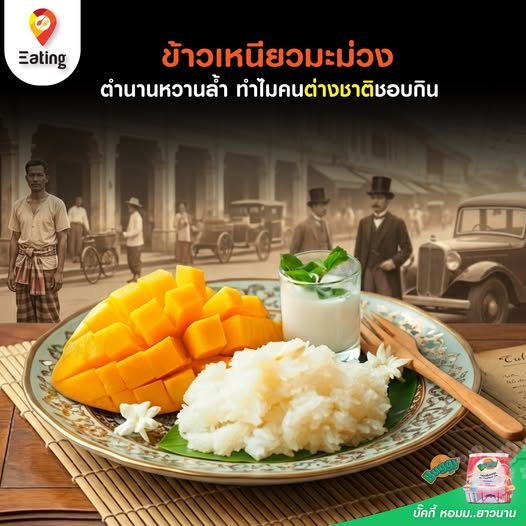
ข้าวเหนียวมะม่วง ตำนานหวานล้ำ ทำไมคนต่างชาติชอบกิน
ถ้าพูดถึงเมนูของหวานที่เป็น 'Soft Power' ตัวจริงของไทย นาทีนี้คงหนีไม่พ้น "ข้าวเหนียวมะม่วง" ข้าวเหนียวมะม่วงเป็นขนมไทยพื้นถิ่นที่นิยมกินในช่วงฤดูร้อน โดยได้รับความนิยมมาตั้งแต่ช่วงปลายกรุงศรีอยุธยาถึงต้นรัตนโกสินทร์ และเริ่มปรากฏหลักฐานชัดเจนในรัชกาลที่ 2-5 ผ่านการนำข้าวเหนียวมูนกะทิหอมหวานมาคู่กับมะม่วงสุกรสหวานอมเปรี้ยว จนกลายเป็นเมนูหวานยอดนิยมที่เป็นเอกลักษณ์ไทยโด่งดังไปทั่วโลก
 จากรั้ววัง สู่จานโปรดของทุกคน
ความจริงแล้วเมนูนี้ไม่ได้เพิ่งมีนะ หลักฐานทางประวัติศาสตร์หลายแห่งสันนิษฐานว่า "ข้าวเหนียวมูน" เริ่มเป็นที่นิยมมาตั้งแต่สมัย อยุธยาตอนปลาย และมาชัดเจนสุดๆ ในช่วง รัตนโกสินทร์ตอนต้น
.
โดยเฉพาะในสมัยรัชกาลที่ 2 มีบทพระราชนิพนธ์ "กาพย์เห่ชมเครื่องคาวหวาน" ที่เอ่ยถึงการกินมะม่วงคู่กับข้าวเหนียวสีสวยๆ (สีโศก) ซึ่งในสมัยนั้นเมนูนี้ถือเป็นของหวานชั้นสูงที่ต้องอาศัยฝีมือการเลือกวัตถุดิบอย่างประณีต
.
 ทำไมต้องเป็น มะม่วง + ข้าวเหนียวมูน?
เคล็ดลับความอร่อยที่ทำให้เมนูนี้เป็นอมตะ คือการจับคู่กันระหว่าง
- ข้าวเหนียวเขี้ยวงูต้องมูนให้เม็ดเรียวสวย มันวาว ไม่แฉะ และหอมกะทิ
- มะม่วงอกร่องในอดีตนี่คือ "The Best" เพราะรสชาติหวานจัดและมีกลิ่นหอมเฉพาะตัว แต่ปัจจุบันมะม่วง "น้ำดอกไม้" ก็ตามมาติดๆ เพราะเนื้อเยอะ เสี้ยนน้อย กินฟินไม่แพ้กัน
- กะทิราด & ถั่วทอง: ตัวช่วยตัดรสหวานด้วยความเค็มมัน และเพิ่มสัมผัสกรุบกรอบ
 จากเมนูพื้นบ้าน สู่ปรากฏการณ์ระดับโลก
ใครจะคิดว่าเมนูที่หาซื้อง่ายตามปากซอย จะไปโด่งดังไกลถึงระดับสากล ไม่ว่าจะเป็นกระแสจาก Coachella หรือการที่นักท่องเที่ยวทั่วโลกต้องลิสต์ไว้ว่า "มาไทย ต้องได้กินข้าวเหนียวมะม่วง" จนทำให้ราคาพุ่งทะยานและกลายเป็นสัญลักษณ์การท่องเที่ยวไทยไปแล้ว
 เกร็ดเล็กเกร็ดน้อย: สมัยก่อนคนไทยจะกินเมนูนี้เฉพาะในช่วงหน้าแล้ง (เมษายน-พฤษภาคม) เท่านั้น เพราะเป็นช่วงที่มะม่วงสุกงอมและอร่อยที่สุดตามฤดูกาล
Mango Sticky Rice (Khao Niew Mamuang)
When talking about a Thai dessert that truly represents the country’s soft power, one dish that instantly comes to mind is mango sticky rice. This traditional Thai dessert is especially popular during the summer season. Its origins trace back to the late Ayutthaya period and early Rattanakosin period, with clearer historical evidence appearing during the reigns of Kings Rama II to V. The dish combines sweet coconut sticky rice with ripe mangoes that offer a perfect balance of sweetness and slight tang, becoming an iconic Thai dessert loved worldwide.
.
From the Royal Court to Everyone’s Favorite
This dish is far from new. Historical evidence suggests that moon sticky rice (sweet coconut sticky rice) was already popular during the late Ayutthaya era and became more clearly documented in the early Rattanakosin period.
.
Notably, during the reign of King Rama II, the royal literary work Kap He Chom Khrueang Khao Wan mentioned the pairing of mango with beautifully colored sticky rice (known as “si sok”). At that time, this dessert was considered a refined delicacy, requiring careful selection of high-quality ingredients.
.
Why Mango + Coconut Sticky Rice?
The timeless appeal of this dessert lies in its perfect combination:
Premium Thai glutinous rice (often “khao niao kiao ngu”) is cooked and mixed with coconut milk until glossy, aromatic, and perfectly textured—neither too dry nor too mushy.
Traditionally, the ok rong mango was considered the best choice due to its intense sweetness and distinctive fragrance. Today, nam dok mai mango is equally popular thanks to its smooth texture, minimal fibers, and rich flavor.
Coconut cream topping & crispy mung beans: These add a slightly salty richness and a crunchy texture that balances the sweetness beautifully.
.
From Local Favorite to Global Phenomenon
Who would have thought that a simple street-side dessert could gain international fame? From viral moments at Coachella to becoming a must-try item on every tourist’s Thailand checklist, mango sticky rice has seen soaring popularity—and even rising prices—while becoming a symbol of Thai tourism.
.
Fun Fact:
In the past, this dessert was typically enjoyed only during the hot season (April–May), when mangoes are at their peak ripeness and flavor.