Loading...
Insider
New Experience
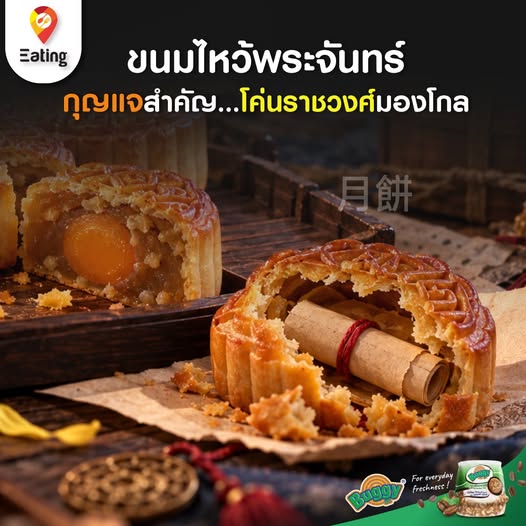
ขนมไหว้พระจันทร์
กุญแจสำคัญในการโค่นราชวงศ์มองโกล

 ขนมไหว้พระจันทร์ กุญแจสำคัญในการโค่นราชวงศ์มองโกล
ขนมไหว้พระจันทร์เป็นสัญลักษณ์สำคัญของ เทศกาลไหว้พระจันทร์ ซึ่งเป็นช่วงเวลาที่ครอบครัวชาวจีนกลับมาอยู่พร้อมหน้ากัน
แต่มีเรื่องเล่าทางประวัติศาสตร์ที่น่าสนใจว่า....ขนมชนิดนี้เคยถูกใช้เป็น เครื่องมือส่งข้อความลับ ในช่วงปลายราชวงศ์หยวน
ในเวลานั้น.... จีนอยู่ภายใต้การปกครองของ ราชวงศ์หยวน ซึ่งก่อตั้งโดยชาวมองโกล
ช่วงปลายราชวงศ์เกิดความอดอยาก ปัญหาเศรษฐกิจ และความไม่สงบ จนนำไปสู่การก่อกบฏต่อต้านรัฐบาล
ตามตำนานเล่าว่า ฝ่ายกบฏใช้ช่วงเทศกาลไหว้พระจันทร์เป็นโอกาสในการส่งสารโดยซ่อนข้อความนัดหมายไว้ภายในขนมไหว้พระจันทร์ แล้วแจกจ่ายไปยังผู้ร่วมขบวนการ
เพราะในช่วงเทศกาล การส่งขนมให้แก่กันเป็นเรื่องปกติ จึงช่วยให้ข้อความสามารถถูกส่งต่อโดยไม่สะดุดตา
หนึ่งในผู้นำการต่อต้านคือ จูหยวนจาง ซึ่งต่อมาสามารถรวบรวมกำลังและยึดอำนาจจากราชวงศ์หยวนได้
ในปี ค.ศ. 1368 จูหยวนจางสถาปนา ราชวงศ์หมิง ขึ้น และขึ้นครองราชย์เป็นจักรพรรดิหงอู่ ถือเป็นจุดสิ้นสุดการปกครองของราชวงศ์หยวนในจีนแผ่นดินใหญ่
 แต่เรื่อง “ซ่อนข้อความในขนมไหว้พระจันทร์” เป็นตำนานที่เล่าสืบต่อกันมา ยังไม่มีหลักฐานร่วมสมัยที่ยืนยันรายละเอียดนี้อย่างชัดเจน
ขณะที่การก่อกบฏและการสถาปนาราชวงศ์หมิงในปี ค.ศ. 1368 เป็นเหตุการณ์ทางประวัติศาสตร์ที่มีหลักฐานรองรับ
จากขนมที่ใช้เฉลิมฉลองวันพระจันทร์เต็มดวง จึงเกิดเรื่องเล่าที่ผูกเข้ากับ การส่งสารลับ การก่อกบฏ และการเปลี่ยนราชวงศ์ครั้งสำคัญของจีนนี่...จึงทำให้ขนมไหว้พระจันทร์มีเรื่องราวมากกว่าความอร่อย เพราะเบื้องหลังความกลมของขนมหนึ่งชิ้น กลับมีทั้ง วัฒนธรรม ความเชื่อ และตำนานทางประวัติศาสตร์ ซ่อนอยู่
Mooncakes: A Key Element in the Overthrow of the Mongol Yuan DynastyMooncakes are an important symbol of the Mid-Autumn Festival, a time when Chinese families traditionally come together to celebrate.
However, there is an interesting historical legend that mooncakes were once used as a means of conveying secret messages during the final years of the Yuan Dynasty.
At that time, China was under the rule of the Yuan Dynasty, which had been established by the Mongols. Toward the end of the dynasty, widespread famine, economic difficulties, and social unrest contributed to a series of rebellions against the government.
According to legend, rebel groups took advantage of the Mid-Autumn Festival to secretly deliver messages. Instructions and meeting information were allegedly hidden inside mooncakes and distributed among members of the resistance. Since exchanging mooncakes was a common practice during the festival, the messages could supposedly be passed along without attracting suspicion.One of the prominent leaders of the resistance was Zhu Yuanzhang, who eventually gathered enough forces to overthrow the Yuan Dynasty.
In 1368 CE, Zhu Yuanzhang established the Ming Dynasty and became its first emperor, known as the Hongwu Emperor. This marked the end of Yuan rule in mainland China.
However, the story that secret messages were hidden inside mooncakes is a traditional legend passed down through generations. There is no clear contemporary evidence confirming the details of this story. In contrast, the rebellions against the Yuan Dynasty and the establishment of the Ming Dynasty in 1368 are well-documented historical events. Thus, a pastry associated with the celebration of the full moon became connected through legend with secret messages, rebellion, and one of the major dynastic changes in Chinese history.This is what makes mooncakes more than simply a delicious festive food. Behind the round shape of a single mooncake lies a rich combination of culture, beliefs, and historical legend.