Insider
New Experience
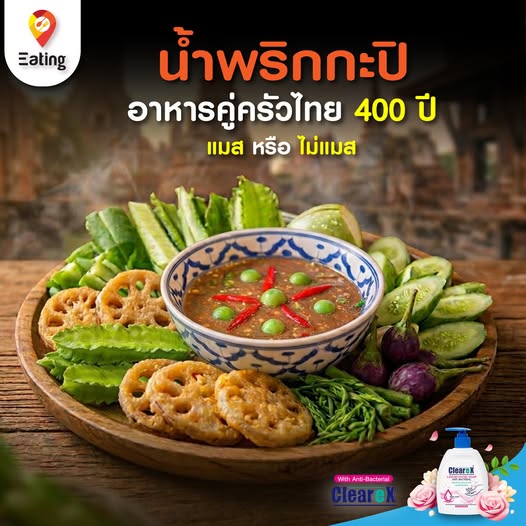
น้ำพริกกะปิ อาหารคู่ครัวไทย
400 ปี แมสหรือไม่แมส
สำรับกับข้าวไทย คงหนีไม่พ้น “น้ำพริกกะปิ” ถ้วยเล็กๆ ที่วางอยู่กลางวงข้าวมานานนับศตวรรษ กลิ่นหอมเย้ายวนของกะปิแท้ รสชาติที่ครบทั้งเผ็ด เค็ม เปรี้ยว และหวานติดปลายลิ้น ไม่ได้เป็นเพียงแค่เครื่องจิ้ม แต่คือบันทึกทางประวัติศาสตร์ที่สะท้อนถึงวิถีชีวิตและภูมิปัญญาของคนไทยอย่างแท้จริง
.
ซีมง เดอ ลา ลูแบร์ (Simon de La Loubère) เป็นราชทูตฝรั่งเศสในสมัยพระเจ้าหลุยส์ที่ 14 ที่เข้ามาเจริญสัมพันธไมตรีกับไทยในรัชสมัย สมเด็จพระนารายณ์มหาราช แห่งกรุงศรีอยุธยา (ช่วง พ.ศ. 2230) บันทึกผลงานสำคัญของเขาคือ "จดหมายเหตุลาลูแบร์" (Du Royaume de Siam) ซึ่งบันทึกเรื่องราววิถีชีวิต อุปนิสัย ศาสนา และประเพณีไทยอย่างละเอียด
.
หลักฐานสำคัญที่สามารถยืนยันได้ว่าคนไทยกินน้ำพริกมาตั้งแต่สมัยอยุธยา คือจดหมายเหตุของลาลูแบร์ ผู้ซึ่งเป็นราชทูตจากประเทศฝรั่งเศสที่เข้ามาเจริญสัมพันธไมตรีกับไทย ในสมัยสมเด็จพระนารายณ์มหาราช โดยลาลูแบร์ได้บันทึกเกี่ยวกับอาหารชนิดหนึ่ง ซึ่งมีลักษณะเป็นน้ำจิ้มไว้ว่า “น้ำจิ้มของพวกเขาทำกันอย่างง่ายๆ ใช้น้ำนิดหน่อยกับเครื่องเทศ หัวกระเทียม หัวหอม กับผักลางชนิดที่มีกลิ่นดี เช่น กะเพรา พวกเขาชอบบริโภคน้ำจิ้มเหลวชนิดหนึ่ง คล้ายกับมัสตาร์ด ประกอบด้วยกุ้งเคยเน่า เพราะหมักไม่ได้ที่ เรียกว่า กะปิ
.
นักโบราณคดีผู้สนใจศึกษาเรื่องอาหารไทย ได้ให้ความคิดเห็นเกี่ยวกับบันทึกนี้ไว้ว่าสิ่งที่ลาลูแบร์ เห็นก็คือน้ำพริกกะปินั่นเอง ด้วยเหตุนี้จึงสรุปได้ว่าคนไทยกินน้ำพริกกันมา ตั้งแต่สมัยกรุงศรีอยุธยาแล้ว และสืบต่อวัฒนธรรมนี้มาจนถึงปัจจุบัน ทั้งนี้ก็อ้างอิงตามหลักฐานเก่าแก่ที่สุดที่ค้นพบในปัจจุบัน
.
น้ำพริกกะปิใช้ส่วนผสมเพียงไม่กี่อย่าง ได้แก่ พริก กะปิ กระเทียม ปรุงรสด้วยน้ำมะนาว น้ำปลา และน้ำตาล เป็นเมนูที่ทำง่ายและทานได้ทุกมื้อ ซึ่งจะยิ่งอร่อยขึ้นไปอีกหากมีปลาทูทอดและผักสดเคียงคู่กัน ปัจจุบันบางสูตรอาจใช้มะม่วงแทนมะนาวหรือใส่ระกำและมะเขือเปราะเพิ่มเติม เนื่องจากแต่ละภูมิภาคหรือแต่ละครอบครัวต่างก็มีสูตรเด็ดเฉพาะตัวที่แตกต่างกันออกไป
Is Nam Prik Kapi a “mainstream” dish or not?
For more than 400 years, “Nam Prik Kapi” has remained one of Thailand’s most iconic household dishes. A small bowl of chili dip placed at the center of the dining table, its rich aroma of fermented shrimp paste and perfectly balanced flavors — spicy, salty, sour, and slightly sweet — make it far more than just a condiment. It is a reflection of Thai history, wisdom, and way of life passed down through generations.
.
Simon de La Loubère was a French envoy during the reign of King Louis XIV who visited Siam in the era of King Narai the Great around 1687. His famous historical record, Du Royaume de Siam (“The Kingdom of Siam”), documented Thai society, religion, traditions, and food culture in remarkable detail.
.
One of the oldest written pieces of evidence proving that Thai people have eaten chili paste since the Ayutthaya period comes from La Loubère’s writings. He described a type of dipping sauce made from water, spices, garlic, onions, and fragrant herbs such as holy basil. He also mentioned a liquid condiment similar to mustard, made from fermented tiny shrimp called “kapi” (shrimp paste).
.
Thai food historians and archaeologists believe that what La Loubère encountered was, in fact, Nam Prik Kapi. This suggests that Thai people have enjoyed this dish since the Ayutthaya era, continuing the culinary tradition for centuries until today.
.
Nam Prik Kapi uses only a handful of ingredients: chilies, shrimp paste, and garlic, seasoned with lime juice, fish sauce, and sugar. It is simple to make, pairs well with almost any meal, and becomes even more delicious when served with fried mackerel and fresh vegetables. Today, many regional and family recipes have evolved — some use green mango instead of lime, while others add salak fruit or Thai eggplants, creating unique flavors that reflect local identities and family traditions.