Insider
New Experience
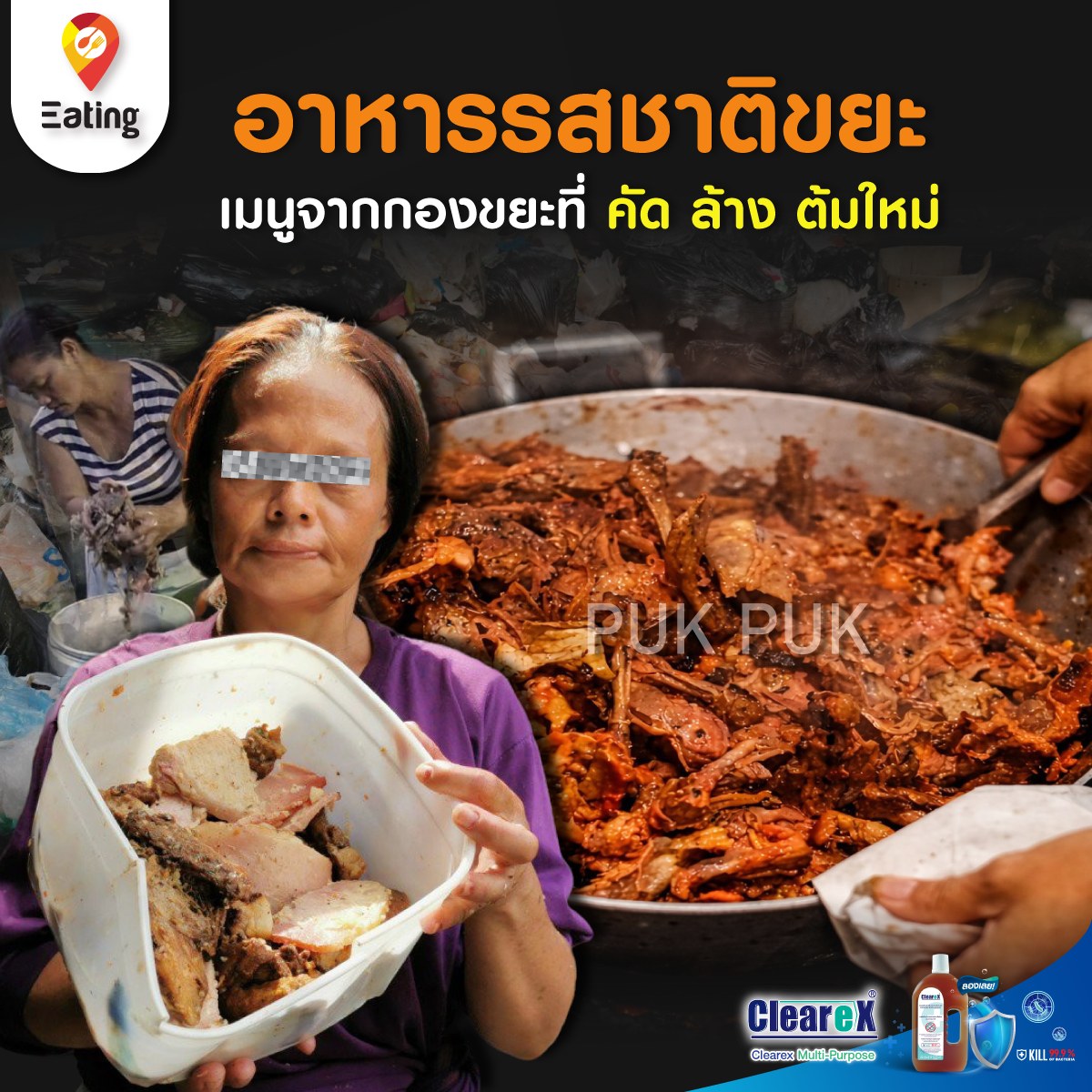
อาหารรสชาติขยะ เมนูจากกองขยะที่ คัด ล้าง ต้มใหม่


ㅤ
คำว่า "อาหาร" เรามักนึกถึงความสดใหม่และวัตถุดิบชั้นดี แต่สำหรับผู้คนในสลัมกรุงมะนิลา ประเทศฟิลิปปินส์ ยังมีเมนูหนึ่งที่ชื่อว่า "Pagpag" หรือที่เราเรียกกันติดปากในคอนเทนต์นี้ว่า "PUK PUK" ซึ่งเป็นอาหารที่หล่อเลี้ยงชีวิตผู้คนนับแสนให้รอดพ้นจากความหิวโหยในแต่ละวัน
--------------
ทำไมต้องชื่อ Pagpag?
คำว่า Pagpag ในภาษาตากาล็อก แปลว่า "สะบัดฝุ่นออก" ซึ่งอธิบายถึงวิธีการเตรียมอาหารชนิดนี้ได้ดีที่สุด เพราะมันคือเนื้อสัตว์ที่ถูกทิ้งจากร้านฟาสต์ฟู้ดหรือร้านอาหารทั่วไป ซึ่งถูกเก็บมาจาก "กองขยะ" โดยตรง!
--------------
เส้นทางจาก "ขยะ" สู่ "เมนูใหม่"
เบื้องหลังภาพที่เราเห็น ไม่ใช่แค่การหยิบมากินทันที แต่มันมี "ศาสตร์" แห่งการเอาตัวรอดซ่อนอยู่:
1.) การคัดแยก: เหล่านักเก็บขยะจะคัดเลือกเฉพาะเศษเนื้อที่ยังพอมีชิ้นมีอัน ไม่เน่าเสียจนเกินไป
2.) การล้าง (คัด ล้าง): เนื้อที่ได้จะถูกนำมาสะบัดเศษสกปรกออก ล้างน้ำหลายๆ รอบจนสะอาดที่สุดเท่าที่จะทำได้
3.) การต้มใหม่ (ต้ม): ขั้นตอนสำคัญคือการนำไปทอดหรือต้มในอุณหภูมิสูง เพื่อฆ่าเชื้อโรคและกำจัดกลิ่น ก่อนจะปรุงรสใหม่ด้วยซอส มะเขือเทศ หรือเครื่องเทศรสจัดจ้าน
--------------
ความจริงที่น่าเจ็บปวด
แม้จะเสี่ยงต่อเชื้อแบคทีเรียอย่าง Salmonella หรือสารพิษตกค้าง แต่ด้วยราคาที่ถูกแสนถูก (เพียงไม่กี่เปโซ) ทำให้ Pagpag กลายเป็นแหล่งโปรตีนเพียงอย่างเดียวที่คนรายได้น้อยเข้าถึงได้
ㅤ
นี่คือสะท้อนให้เห็นถึงความเหลื่อมล้ำทางสังคมที่ชัดเจนที่สุดผ่าน "จานอาหาร" แม้มันจะดูน่ากลัวในสายตาคนนอก แต่สำหรับคนที่นี่... มันคือเมนูที่ช่วยให้พวกเขาและครอบครัวยังมีลมหายใจต่อไปได้ในวันพรุ่งนี้
“PUK PUK” (Pagpag): A Survival Meal from the Trash
ㅤ
When we think of “food,” we often imagine freshness and quality ingredients. But in the slums of Manila, Philippines, there is a dish called “Pagpag”—referred to here as “PUK PUK”—that sustains hundreds of thousands of people, helping them survive hunger day by day.
--------------
Why is it called Pagpag?
“Pagpag” comes from Tagalog, meaning “to shake off dust.” It describes how the food is prepared—discarded meat from fast-food or restaurants is collected from the trash and cleaned before being eaten.
--------------
From “Trash” to “A New Dish”
It’s not just picked up and eaten—there’s a survival process behind it:
1. Sorting: Edible scraps are carefully selected.
2. Cleaning: The meat is shaken off and washed multiple times.
3. Re-cooking: It’s boiled or fried at high heat to kill germs, then re-seasoned for taste.
--------------
A Painful Reality
Despite risks like **Salmonella** and toxins, its extremely low cost makes Pagpag the only accessible protein for many low-income people.
ㅤ
It starkly reflects social inequality—while it may seem disturbing to outsiders, for them, it’s a meal that keeps families alive for another day.