Insider
New Experience
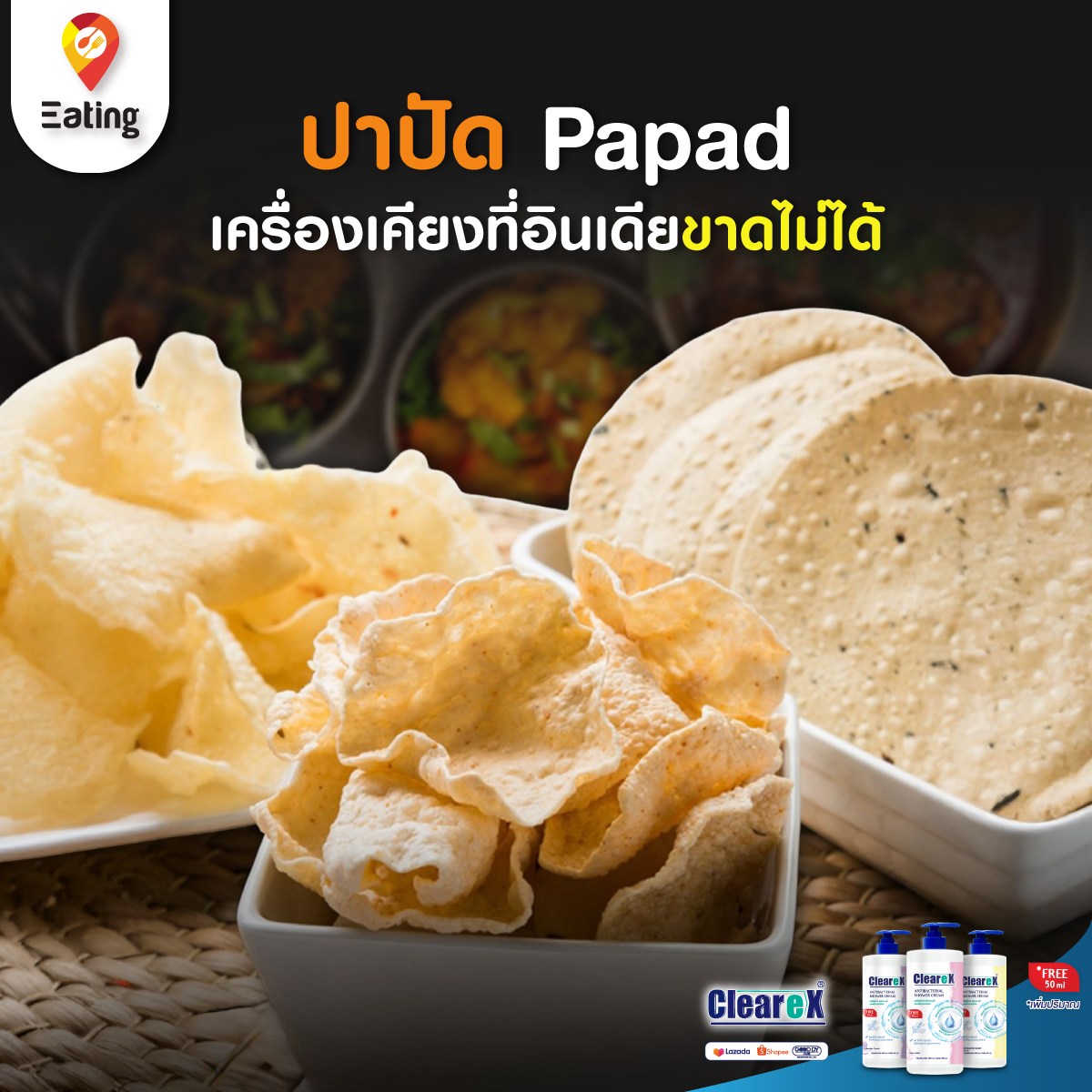
ปาปัด Papad เครื่องเคียงที่อินเดียขาดไม่ได้
 ปาปัด : เครื่องเคียงที่อินเดียขาดไม่ได้
ถ้าเอ่ยถึง เครื่องเคียงของประเทศอินเดีย
ชื่อแรกที่คนอินเดียแทบทุกคนนึกถึงทันที
ไม่ใช่แกง ไม่ใช่นาน แต่คือ “ปาปัด” (Papad / Papadum)
ข้าวเกรียบแผ่นบางกรอบ
ที่อยู่คู่ครัวและโต๊ะอาหารอินเดียมานานหลายร้อยปี
จนเรียกได้ว่าเป็น เครื่องเคียงประจำชาติอย่างไม่เป็นทางการ
ถ้าเข้าไปในครัวของชาวอินเดีย
มีของอย่างหนึ่งที่แทบทุกบ้านต้องมีติดไว้
นั่นคือปาปัด อาหารเรียบง่าย แต่ขาดไม่ได้ในทุกมื้อ
ปาปัดคืออะไร?ปาปัดคือแผ่นแป้งบาง
ทำจากวัตถุดิบพื้นถิ่น เช่น
• ถั่วอูรัด (Urad dal)
• ถั่วชิกพี (Chickpea)
• ข้าว หรือมันฝรั่ง
ปรุงรสด้วยเกลือและเครื่องเทศ
บางสูตรใส่พริกไทยหรือยี่หร่า
จากนั้นตากแห้ง ทำให้เก็บได้นานเป็นเดือน
เหมาะกับวิถีชีวิตและสภาพอากาศของอินเดีย
 วิธีรับประทาน ก่อนกินจะนำปาปัดไป
• ย่าง
• อบ
• หรือทอดให้พองกรอบ
เสิร์ฟคู่กับอาหารหลัก กินพร้อมชัทนีย์
หรือกินเปล่า ๆ เป็นของว่างก็ได้
ทำไมปาปัดถึงนิยมในอินเดีย?
เพราะปาปัดไม่ใช่แค่ของกินเล่น
แต่คือ "วัฒนธรรมอาหาร"
• เสิร์ฟเป็นเครื่องเคียงแทบทุกมื้อ
• เพิ่มความกรอบ ตัดรสแกงที่เข้มข้น
• เป็นอาหารมังสวิรัติ สอดคล้องกับวิถีชีวิตและศาสนา
• ทำง่าย เก็บได้นาน และรองรับช่วงอาหารขาดแคลน
ในหลายภูมิภาค
ปาปัดถือเป็นของจำเป็นในครัว
และนิยมทำกินเองในครอบครัว
โดยเฉพาะในรัฐคุชราต ราชสถาน และอินเดียใต้
รสชาติของปาปัด- กรอบ บาง
- เค็มอ่อน ๆ มีกลิ่นถั่วและเครื่องเทศ
- ไม่แย่งซีนอาหารหลัก แต่ช่วยยกระดับมื้ออาหารให้สมบูรณ์ขึ้น
ปาปัดจึงไม่ใช่แค่ข้าวเกรียบ
แต่คือความเรียบง่ายที่อยู่คู่ทุกบ้าน
และเป็นหนึ่งในรสชาติ
ที่บอกเล่า ตัวตนของอาหารอินเดีย ได้ชัดเจนที่สุด
Papad: An Essential Side Dish in Indian Cuisine
When it comes to side dishes in India, the first thing that comes to mind for many Indians is not curry and not naan but “Papad” (Papad / Papadum).
Papad is a thin, crispy cracker that has been part of Indian kitchens and dining tables for hundreds of years. It can be considered an unofficial national side dish of India.
If you step into an Indian kitchen, there is one item you will almost always find in nearly every household: papad. It is a simple food, yet an essential part of everyday meals.
What is Papad?
Papad is a thin sheet of dough made from local ingredients such as:
• Urad dal (black gram)
• Chickpeas
• Rice or potatoes
It is seasoned with salt and spices. Some recipes also include black pepper or cumin.
The dough is then dried, allowing papad to be stored for months perfectly suited to India’s climate and traditional lifestyle.
How It Is Eaten
Before serving, papad is usually:
• Roasted
• Baked
• Or deep-fried until crispy and puffed
It is served alongside main dishes, eaten with chutney, or simply enjoyed on its own as a snack.
Why Is Papad So Popular in India?
Papad is not just a snack it is part of India’s food culture.
• Served as a side dish in many meals
• Adds a crunchy texture that balances rich and flavorful curries
• Vegetarian-friendly, aligning with cultural and religious practices
• Easy to make, long-lasting, and helpful during times of food scarcity
In many regions, papad is considered a kitchen staple and is often homemade within families especially in Gujarat, Rajasthan, and South India.
The Taste of Papad
• Thin and crispy
• Lightly salty with a hint of legumes and spices
• It does not overpower the main dish, but instead completes the meal
Papad is more than just a cracker it represents the simple everyday flavors found in Indian homes and is one of the clearest expressions of the identity of Indian cuisine.