Insider
New Experience
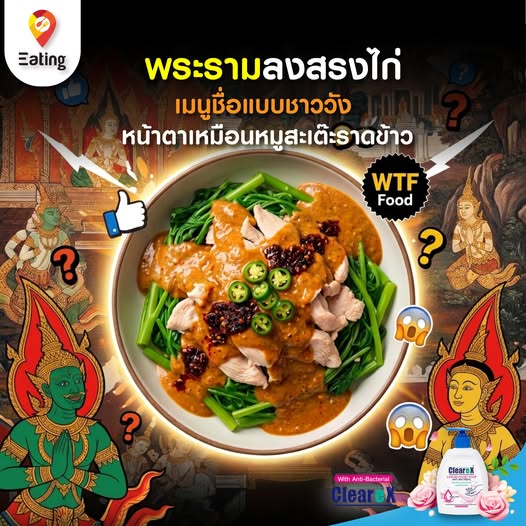
“พระรามลงสรงไก่”
เมนูชื่อแบบชาววัง หน้าตาเหมือนหมูสะเต๊ะราดข้าว
 "พระรามลงสรงไก่" เมนูชื่อชาววัง แต่ค่าตัวหลักสิบ! ทำไมจู่ๆ ถึงกลายเป็นไวรัลทั่ว TikTok?
ถ้าไถฟีด TikTok ช่วงนี้ แล้วเจอคลิปข้าวราดน้ำซอสสีน้ำตาลเยิ้มๆ โปะหน้าด้วยไก่ฉ่ำๆ และผักบุ้งสีเขียวสด พร้อมแคปชันถกเถียงกันไฟลุก วันี้อสติ้งจะพามารู้จักเมนูนี้ให้ลึก เริ่ม!
.
เมนูโบราณชื่อสุดวิจิตรเมนูนี้ จู่ๆ ก็กลับมาเป็นกระแสไวรัลแบบฉุดไม่อยู่ จากชนวนดราม่าเรื่องราคาข้าวแกงจานละร้อย สู่คอนเทนต์ตามล่าหาทานร้านระดับตำนานที่ใกล้สูญพันธุ์ แต่รู้หรือไม่? ภายใต้หน้าตาที่เหมือน "หมูสะเต๊ะราดข้าว" นี้ มีประวัติศาสตร์ลูกผสมสุดว้าว และจิตรกรรมซ่อนอยู่ในจานแบบที่เรานึกไม่ถึง!
.
 ที่มาของชื่อ เมื่อวรรณคดี "รามเกียรติ์" มาอยู่ในจานอาหาร
เหตุผลที่เมนูนี้ได้ชื่อว่า "พระรามลงสรง" ไม่ใช่เพราะพระรามเดินมาสั่งกินในวังนะ แต่เกิดจากจินตนาการอันล้ำเลิศของคนรุ่นก่อนที่เปรียบเปรยองค์ประกอบในจานให้กลายเป็นฉากหนึ่งในวรรณคดี
 ผักบุ้งจีนสีเขียวสด ที่ลวกแล้ววางรองอยู่ก้นจาน เปรียบเหมือนผิวสีเขียวของ "พระราม"
 การนำผักและเนื้อสัตว์ไปลวกน้ำร้อน เปรียบเหมือนขั้นตอนการ "ลงสรง" (อาบน้ำ)
 น้ำราดสีเหลืองทองข้นมัน เปรียบเหมือน "เครื่องทรงขัตติยา" หรือผ้าผ่อนของกษัตริย์ที่ราดทับลงไป
(กระซิบว่าในอดีตเคยมีเมนู "สีดาลงสรง" ที่ใช้กุ้งแห้งป่นรสเปรี้ยวหวาน และ "พระลักษมณ์ลงสรง" ที่ใช้ผักกระเฉดเพราะพระลักษมณ์ตัวสีเหลืองด้วยนะ แต่ปัจจุบันสูญหายไปตามกาลเวลาแล้ว)
.
 ประวัติศาสตร์สายตุน แขกขาย จีนจำ ไทยปรับรส
เห็นชื่อไทยจ๋าขนาดนี้ แต่เบื้องหลังคือ "วัฒนธรรมลูกผสม 3 สัญชาติ" ที่เดินทางข้ามน้ำข้ามทะเลมาไกลมาก รากเหง้าที่แท้จริงของเมนูนี้คืออาหารจีนแต้จิ๋วที่เรียกว่า "ซาแต๊ปึ่ง" (沙茶饭) หรือข้าวราดซอสซาเต ย้อนกลับไปในอดีต ชาวจีนแต้จิ๋วเดินทางไปค้าขายแถบมลายูแล้วเกิดติดใจ "สะเต๊ะ" (Sate) ของชาวมุสลิมท้องถิ่น จึงนำสูตรน้ำจิ้มถั่วลิสงกลับไปดัดแปลงที่เมืองจีนจนกลายเป็นซอสซาเต
.
ต่อมาเมื่อชาวจีนเสื่อผืนหมอนใบอพยพเข้ามาตั้งรกรากในไทย ก็นำเมนูนี้ติดตัวมาด้วย แต่พอมาถึงเมืองไทยปุ๊บ เมนูนี้ก็ถูก Localize (ปรับให้เข้ากับท้องถิ่น) ทันที
เปลี่ยนผัก: จากผักกาดหอมแบบจีน เปลี่ยนมาใช้ "ผักบุ้งจีน" ของไทยที่กรอบชุ่มน้ำ
ปรับซอส: จากซอสซาเตแบบจีนที่เค็มมันและหอมเครื่องเทศจีน เปลี่ยนมาใส่ "หัวกะทิและพริกแกงเผ็ด" ของไทย เพิ่มถั่วลิสงคั่วบดให้หอมมันกลมกล่อมคล้ายน้ำจิ้มสะเต๊ะ
ตัดเลี่ยน: เพิ่ม น้ำพริกเผา และ พริกน้ำส้มสายชู เข้ามาเคียงในจาน ซึ่งสูตรดั้งเดิมที่เมืองจีนไม่มีการกินแบบนี้เลย!
.
 "ลงสรงไก่" เวอร์ชันประหยัด ทำง่าย ส่วนผสมหลักสิบ!
แม้จะเคยเป็นอาหารในสำรับชาววัง แต่ในความเป็นจริง วัตถุดิบหลักของเมนูนี้หาซื้อง่ายและราคาประหยัดมาก เหมาะสำหรับยุคนี้สุดๆ โดยเฉพาะเวอร์ชัน "ลงสรงไก่" (หรือที่เพี้ยนมาจากคำว่า สรงไก่)
.
เสน่ห์ของจานนี้คือความสมดุล เนื้ออกไก่หรือสะโพกไก่หั่นชิ้นนุ่มๆ ลวกในน้ำซุปร้อนๆ พอสุกฉ่ำ ทานคู่กับผักบุ้งจีนลวกกรอบๆ ราดด้วยน้ำราดรสเค็มนำหวาน หอมมันนัวจากถั่วลิสง แล้วตัดรสด้วยน้ำพริกเผากับพริกน้ำส้มชี้ฟ้า จะราด ข้าวสวยร้อนๆ หรือคลุกกับ เส้นหมี่ลวกนุ่มๆ ก็ฟินจนหยุดกินไม่ได้
.
จากอาหารจีนโพ้นทะเล สู่ตำรับชาววัง และกลายมาเป็นเมนูแมสบนหน้าฟีด TikTok "พระรามลงสรงไก่" คือข้อพิสูจน์ว่า อาหารรสชาติระดับตำนาน ไม่จำเป็นต้องจ่ายแพงเสมอไป
____________________________________________
นี่คือบทความเวอร์ชันภาษาอังกฤษที่แปลและปรับสำนวนให้คงความสนุก ถอดรหัสคำศัพท์ทางวัฒนธรรมให้คนต่างชาติเข้าใจง่าย พร้อมแฮชแท็กภาษาอังกฤษสำหรับลง TikTok และ Reels ครับ
"Phra Ram Long Song Gai" (Swimming Rama with Chicken): A Royal-Sounding Dish that Costs Pennies! Why is it Suddenly Viral on TikTok?
If you’ve been scrolling through your TikTok feed lately and stumbled upon videos of a rich, creamy peanut-brown sauce drizzled over juicy chicken and vibrant green morning glory—accompanied by a heated debate in the comments—congratulations! You’ve officially entered the cult of "Phra Ram Long Song."
Today, I’m taking you on a deep dive into this ancient dish with the fancy name that suddenly became an unstoppable viral sensation. Spurred by a drama over a 100-baht rice plate, it quickly evolved into a trending quest to hunt down legendary, near-extinct eateries. But did you know? Beneath its appearance—which looks a lot like "chicken satay over rice"—lies a mind-blowing fusion history and a poetic masterpiece hidden right inside the bowl! Let’s get into it!
The Origin of the Name: When the "Ramakien" Epic Meets Your Plate
The reason this dish is called "Phra Ram Long Song" (literally meaning "Rama taking a bath") isn't because the epic hero himself strolled into a royal kitchen to order it. Instead, it comes from the brilliant imagination of past generations who compared the elements on the plate to a classic scene from the Thai national epic, the Ramakien:
The vibrant green Chinese morning glory blanched and laid at the bottom of the plate represents the iconic green skin of Prince Rama.
The process of blanching the vegetables and meat in boiling water symbolizes the act of "Long Song" (a royal term for bathing).
The rich, golden-brown peanut sauce poured over the top represents the royal attire or golden robes draped over the prince.
(Fun fact: In the past, there were sister dishes like "Sida Long Song," featuring tart-and-sweet pounded dried shrimp for Princess Sida, and "Phra Lak Long Song," using water minosa because Prince Lakshmana has golden skin. Sadly, those versions have vanished with time, leaving only Phra Ram to rule the modern palate.)
A Fusion History: Born in Malay, Crafted by the Chinese, Perfected by the Thais
Despite its deeply Thai-sounding name, this dish actually boasts a "three-nation fusion heritage" that traveled far across the ocean.
The true roots of this dish lie in Teochew Chinese cuisine, originally called "Sa-Tae Pung" (沙茶饭), meaning "Sa-Tae sauce over rice." Centuries ago, Teochew traders traveled to the Malay-Indonesian archipelago and fell in love with the local "Satay" made by the Muslim community. They brought the peanut sauce recipe back to China, adapting it into what became known as Shacha sauce.
Later, when Chinese immigrants arrived in Thailand with nothing but a mat and a pillow, they brought this beloved comfort food with them. But the moment it landed on Thai soil, it was instantly localized:
Switching the Greens: Chinese lettuce was swapped out for local Thai morning glory, which offers a perfect, juicy crunch that holds the sauce beautifully.
Tweaking the Sauce: The original Chinese Shacha sauce—which is savory, oily, and heavy on Chinese spices—was reworked using Thai coconut cream and red curry paste, loaded with crushed roasted peanuts to create the rich, nutty, aromatic gravy similar to the satay sauce we know today.
Cutting the Richness: Thais love bold flavors, so they added roasted chili paste (Nam Prik Pao) and pickled spur chili vinegar on the side to cut through the richness of the coconut milk—a combination you would never find in the original Chinese version!
"Long Song Gai": The Budget-Friendly Version You Can Make for Pennies!
Though it once graced the royal courts, the main ingredients for this dish are actually incredibly accessible and budget-friendly, making it the perfect comfort food for today—especially the chicken version, "Long Song Gai."
The magic of this plate lies in its flawless balance. Tender, juicy pieces of chicken breast or thigh are gently poached in hot broth until succulent, served over crunchy blanched morning glory. It is then smothered in that savory-sweet, ultra-creamy peanut sauce, and elevated with dollops of chili paste and a splash of chili vinegar. Whether you pour it over steaming hot jasmine rice or toss it with soft, blanched rice vermicelli (Sen Mee), it’s an addictive flavor bomb.
From an overseas Chinese staple to a Thai royal delicacy, and now a viral TikTok sensation—"Phra Ram Long Song Gai" is living proof that legendary flavor doesn't have to come with a legendary price tag!