Insider
New Experience
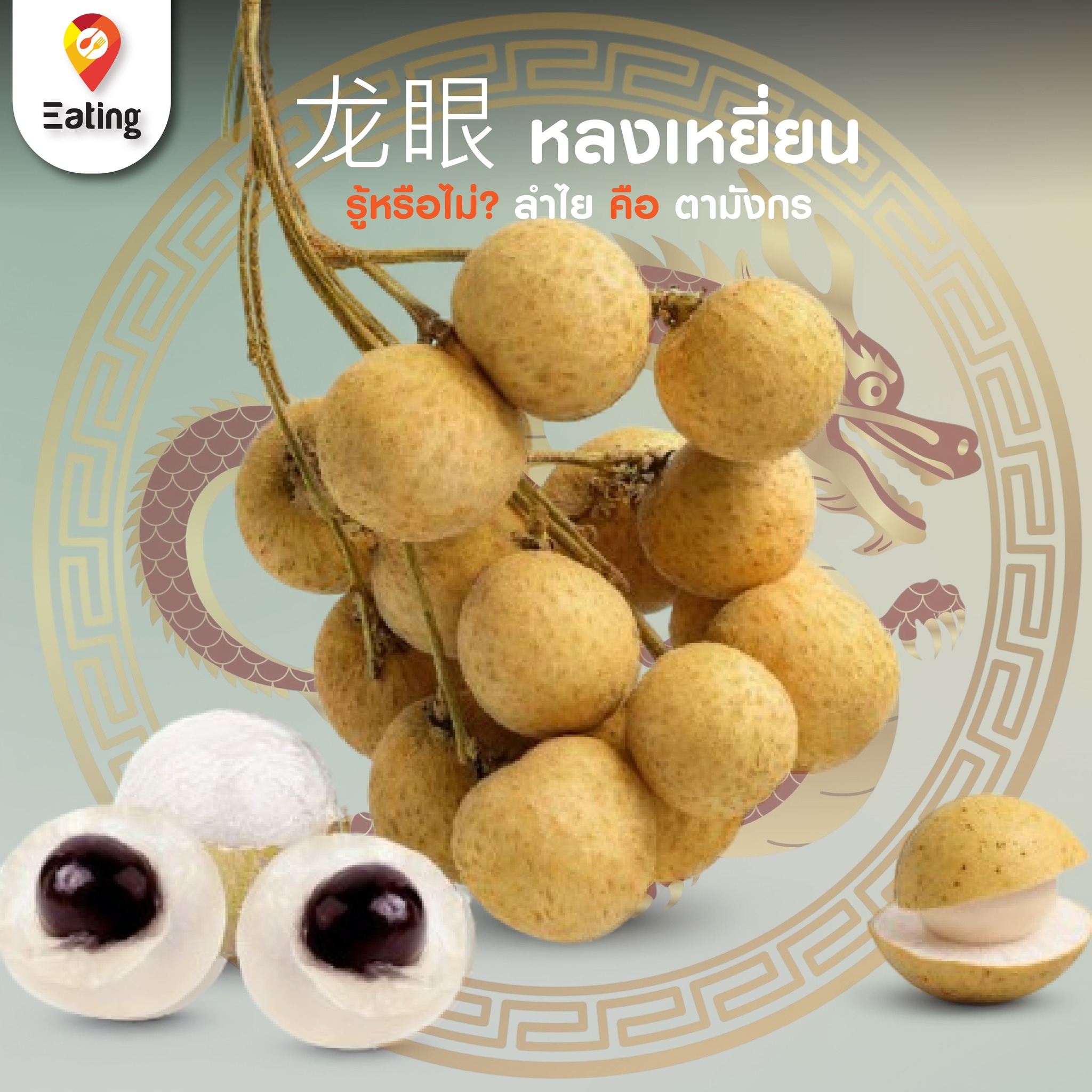
หลงเหยี่ยน
รู้หรือไม่?ลำไยคือตามังกร
 “ตามังกร” ผลไม้ที่คนไทยรู้จัก แต่คนจีนให้ชื่อใหม่อย่างมีความหมาย
หากเอ่ยชื่อ “ลำไย” หลายคนอาจนึกถึงผลไม้รสหวาน กลิ่นหอม มีให้กินตลอดหน้าร้อน โดยเฉพาะในภาคเหนือของไทย ลำไยถูกปลูกกันอย่างแพร่หลาย และกลายเป็นหนึ่งในผลไม้เศรษฐกิจของประเทศ ทว่าชื่อเรียก “ลำไย” ที่คนไทยคุ้นเคย กลับไม่ใช่ชื่อที่คนจีนใช้
ในวัฒนธรรมจีน ลำไยมีชื่อเรียกอย่างไพเราะและเปี่ยมด้วยจินตนาการว่า “ตามังกร” หรือ “龙眼” (หลงเหยี่ยน)คำว่า “หลง” (龙) หมายถึง มังกร คำว่า “เหยี่ยน” (眼) หมายถึง ดวงตา เมื่อนำมารวมกัน จึงได้ความหมายตรงตัวว่า “ดวงตาของมังกร”
________________________________________
 รูปลักษณ์ของลำไย ชวนให้จินตนาการถึง “ดวงตา”
หากลองสังเกตลำไยแบบใกล้ ๆ จะพบว่ารูปร่างของมันชวนให้นึกถึงลูกตาอย่างประหลาด
• เปลือกผลมีลักษณะกลม ผิวสีน้ำตาลอ่อนคล้ายหนังตา
• เมื่อปอกเปลือกออก จะพบเนื้อสีขาวใส เย็นฉ่ำ
• ตรงกลางมีเมล็ดกลมสีดำมันวาว ซ่อนตัวอยู่เหมือน “ตาดำ”
ด้วยรูปร่างเช่นนี้ คนจีนในอดีตจึงตั้งชื่อให้ลำไยว่า “ตามังกร” โดยอิงจากจินตภาพที่ว่า “มังกร” มีดวงตาคมกริบและลึกลับ ซึ่งลำไยก็มีลักษณะคล้ายคลึงนั้นอย่างน่าทึ่ง
________________________________________
 มังกรในวัฒนธรรมจีน ไม่ใช่แค่สัตว์ในตำนาน
ในตำนานของจีน “มังกร” คือสัญลักษณ์แห่งอำนาจ พลัง ความมั่งคั่ง และความเป็นมงคล มังกรไม่ใช่สัตว์ร้าย แต่เป็นผู้ปกครองสวรรค์ เป็นสัตว์ที่จักรพรรดิใช้เป็นสัญลักษณ์ของราชวงศ์
ดังนั้น ชื่อเรียก “ตามังกร” ของลำไย จึงไม่ใช่แค่เรื่องรูปร่างภายนอกเท่านั้น แต่ยังแฝงด้วยความเคารพและเชื่อมโยงถึงพลังแห่งธรรมชาติ ถือเป็นชื่อที่ยกคุณค่าของผลไม้นี้ขึ้นไปอีกขั้น
________________________________________
 สมุนไพร “ตามังกร” กับภูมิปัญญาแพทย์จีน
ลำไยไม่ได้เป็นเพียงผลไม้กินเล่นในหน้าร้อนเท่านั้น ในภูมิปัญญาการแพทย์แผนจีน ลำไย โดยเฉพาะแบบอบแห้ง เรียกว่า “龙眼干” (ตามังกรแห้ง) ได้รับการจัดอยู่ในกลุ่มสมุนไพรบำรุงร่างกาย ใช้เพื่อบำรุงเลือด บำรุงหัวใจ และฟื้นฟูพลังงานชีวิต หรือ “ชี่” (Qi)
คนจีนโบราณนิยมต้มลำไยอบแห้งร่วมกับเก๋ากี้ หรือพุทราจีน เพื่อทำเป็นน้ำสมุนไพรที่ดื่มได้ทุกวัน โดยเชื่อว่าช่วยให้จิตใจสงบ หลับสบาย และบำรุงสมอง
________________________________________
 ลำไยไทย กับตลาดจีนที่ไม่มีวันหยุด
แม้ลำไยจะเป็นผลไม้พื้นบ้านของไทย แต่ตลาดใหญ่ของลำไยกลับอยู่ที่จีน โดยเฉพาะในรูปแบบ “ลำไยอบแห้ง” ที่ถูกส่งออกปีละหลายหมื่นตัน สู่ร้านสมุนไพร ซูเปอร์มาร์เก็ต และตลาดยาจีน
ความนิยมใน “ตามังกรแห้ง” ทำให้ประเทศไทยกลายเป็นผู้ส่งออกหลัก และชาวสวนลำไยไทยจึงได้อานิสงส์จากการที่คนจีนผูกใจไว้กับผลไม้ชนิดนี้อย่างแนบแน่น
________________________________________
 เมื่อชื่อเรียกหนึ่ง สะท้อนความลึกซึ้งของวัฒนธรรม
การที่ลำไยถูกเรียกว่า “ตามังกร” อาจฟังดูแฟนตาซีสำหรับคนไทย
แต่ในสายตาของชาวจีน ชื่อนี้เต็มไปด้วยความเคารพ ความงาม และการยกย่อง
มันสะท้อนให้เห็นว่า วัฒนธรรมหนึ่งสามารถเปลี่ยน “ผลไม้ธรรมดา” ให้กลายเป็น “ของล้ำค่า” ได้อย่างไร
“Dragon’s Eye”: The Fruit We Know as Longan
When you hear the word “longan,” you might picture a sweet tropical fruit from Northern Thailand — juicy, fragrant, and abundant during summer. While “longan” is the Thai name we’re familiar with, the Chinese call it something far more poetic: Dragon’s Eye, or in Mandarin, “龙眼” (Lóng Yǎn).
• “龙” (Lóng) = Dragon
• “眼” (Yǎn) = Eye
Together, it means “the eye of the dragon.”
________________________________________
The Fruit That Looks Like an Eye
A closer look at the longan reveals its eye-like appearance:
• The shell is round and light brown, resembling skin.
• Peel it open to reveal translucent white flesh.
• At the center lies a glossy black seed — just like a pupil.
This eye-like quality inspired the name “Dragon’s Eye,” drawing on Chinese mythology where dragons have sharp, mystical eyes — much like the core of this fruit.
________________________________________
The Dragon: Symbol of Power and Luck
In Chinese culture, dragons are revered — they represent strength, authority, and good fortune. They are not beasts, but celestial guardians, often associated with emperors.
Naming a fruit “Dragon’s Eye” is more than poetic; it imbues the longan with cultural reverence, elevating its value and linking it to the power of nature.
________________________________________
From Fruit to Herbal Remedy
In traditional Chinese medicine, dried longan (called “龙眼干” or “dried Dragon’s Eye”) is considered a restorative tonic. It’s used to improve blood flow, calm the heart, and replenish vital energy (Qi).
People often brew it with goji berries or red dates into herbal teas believed to nourish the brain and promote restful sleep.
________________________________________
A Thai Fruit Loved in China
Though grown in Thailand, dried longan is a top export to China. Each year, tens of thousands of tons are shipped to Chinese herbal shops and markets, where “Dragon’s Eye” is highly sought-after.
This demand strengthens Thailand’s agricultural economy — and builds cultural bridges through food.
________________________________________
A Name That Reflects Culture
To Thai people, the name “Dragon’s Eye” may sound mythical. But in Chinese culture, it’s a name of respect and meaning. It transforms an ordinary fruit into something deeply symbolic — a reminder that language and tradition can shape how we see the world.