Insider
New Experience
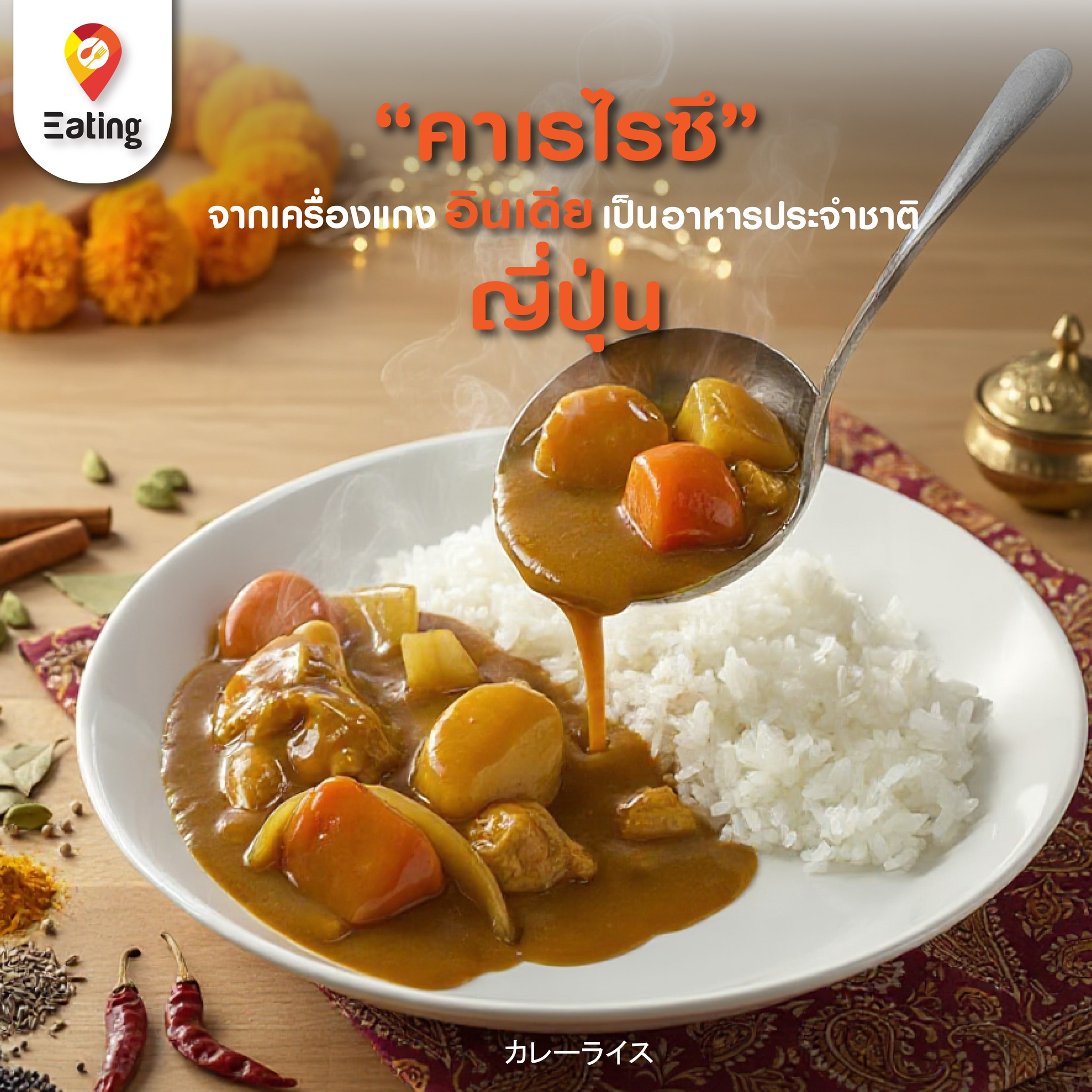
"คาเรไรซึ"จากเครื่องแกงอินเดีย
สู่อาหารประจำชาติญี่ปุ่น
 ข้าวแกงกะหรี่
ถ้าพูดถึงอาหารที่คนญี่ปุ่นรัก “ข้าวแกงกะหรี่” หรือ คาเรไรซึ (カレーライス) คงติดอันดับต้น ๆ แน่นอน แต่รู้หรือไม่ว่าแกงกะหรี่ที่ว่านี้ แท้จริงแล้วไม่ได้ถือกำเนิดขึ้นที่ญี่ปุ่นเลย
.
ต้นกำเนิดของแกงกะหรี่มาจากอินเดีย คำว่า Kari ในภาษาทมิฬหมายถึง “แกง” หรือ “อาหารที่กินกับข้าว” แต่ชาวอินเดียไม่มีเมนูที่ชื่อ Curry ตรง ๆ พวกเขาจะเรียกแกงตามส่วนผสม เช่น Chicken Masala หรือ Dal ต่างหาก จนกระทั่งช่วงอาณานิคม อังกฤษซึ่งปกครองอินเดียในศตวรรษที่ 18–19 ได้นำรสชาติของแกงอินเดียกลับไปยุโรป แต่เพื่อความสะดวก อังกฤษจึงผสมเครื่องเทศเป็น “ผงกะหรี่ (Curry Powder)” และเผยแพร่ไปทั่วโลก
.
ญี่ปุ่นได้รู้จักแกงกะหรี่ในสมัยเมจิ ผ่านการติดต่อกับอังกฤษ แรกเริ่มชาวญี่ปุ่นมองว่าเป็น “อาหารตะวันตก” แต่เมื่อได้ลองก็ปรับสูตรให้เข้ากับลิ้นตัวเอง ใช้ “รูว์” (แป้ง+เนย+ผงกะหรี่) ทำให้น้ำแกงข้นเหมือนสตูว์ ลดความเผ็ด เพิ่มรสหวาน มักใส่มันฝรั่ง แครอท หอมหัวใหญ่ และเนื้อสัตว์ กลายเป็นเมนูที่ทั้งเด็ก ผู้ใหญ่ และทหารกินได้ไม่เบื่อ จนแพร่หลายเข้าสู่โรงเรียน โรงอาหาร และบ้านเรือนทั่วประเทศ
.
ปัจจุบัน “ข้าวแกงกะหรี่ญี่ปุ่น” จึงกลายเป็นอาหารประจำชาติที่อยู่คู่กับชีวิตประจำวันของคนญี่ปุ่น ไม่แพ้ราเม็งหรือซูชิ แต่เบื้องหลังจานนี้กลับเต็มไปด้วยประวัติศาสตร์การเดินทางของรสชาติ ตั้งแต่อินเดีย → อังกฤษ → ญี่ปุ่น
หนึ่งจานแกงกะหรี่ ไม่ใช่แค่อาหาร แต่คือเรื่องเล่าของวัฒนธรรมสามชาติบนโต๊ะเดียวกัน
Japanese Curry Rice
When talking about food that the Japanese truly love, kare raisu (カレーライス), or Japanese curry rice, would surely be among the top choices. But did you know that this dish wasn’t originally born in Japan?
The roots of curry go back to India. The Tamil word Kari means “sauce” or “dish eaten with rice.” Interestingly, there is no dish in India simply called curry. Instead, dishes are named after their ingredients, such as Chicken Masala or Dal. During the colonial era in the 18th–19th century, the British, who ruled India, brought the flavors of Indian curries back to Europe. For convenience, they created curry powder, a spice blend that spread around the world.
Japan encountered curry during the Meiji era through contact with the British. At first, the Japanese regarded it as “Western food.” But soon they adapted it to their taste—using a roux (flour + butter + curry powder) to thicken the sauce like a stew, toning down the spiciness, and adding sweetness. Potatoes, carrots, onions, and meat became common ingredients, turning curry into a hearty dish loved by children, adults, and even soldiers. Before long, it spread widely to schools, canteens, and households across the country.
Today, kare raisu has become one of Japan’s national dishes, standing alongside ramen and sushi. Yet behind this comforting plate lies a fascinating journey of flavors—from India → Britain → Japan.
One plate of curry rice is not just food—it is a story of three cultures shared on the same table.