Insider
New Experience
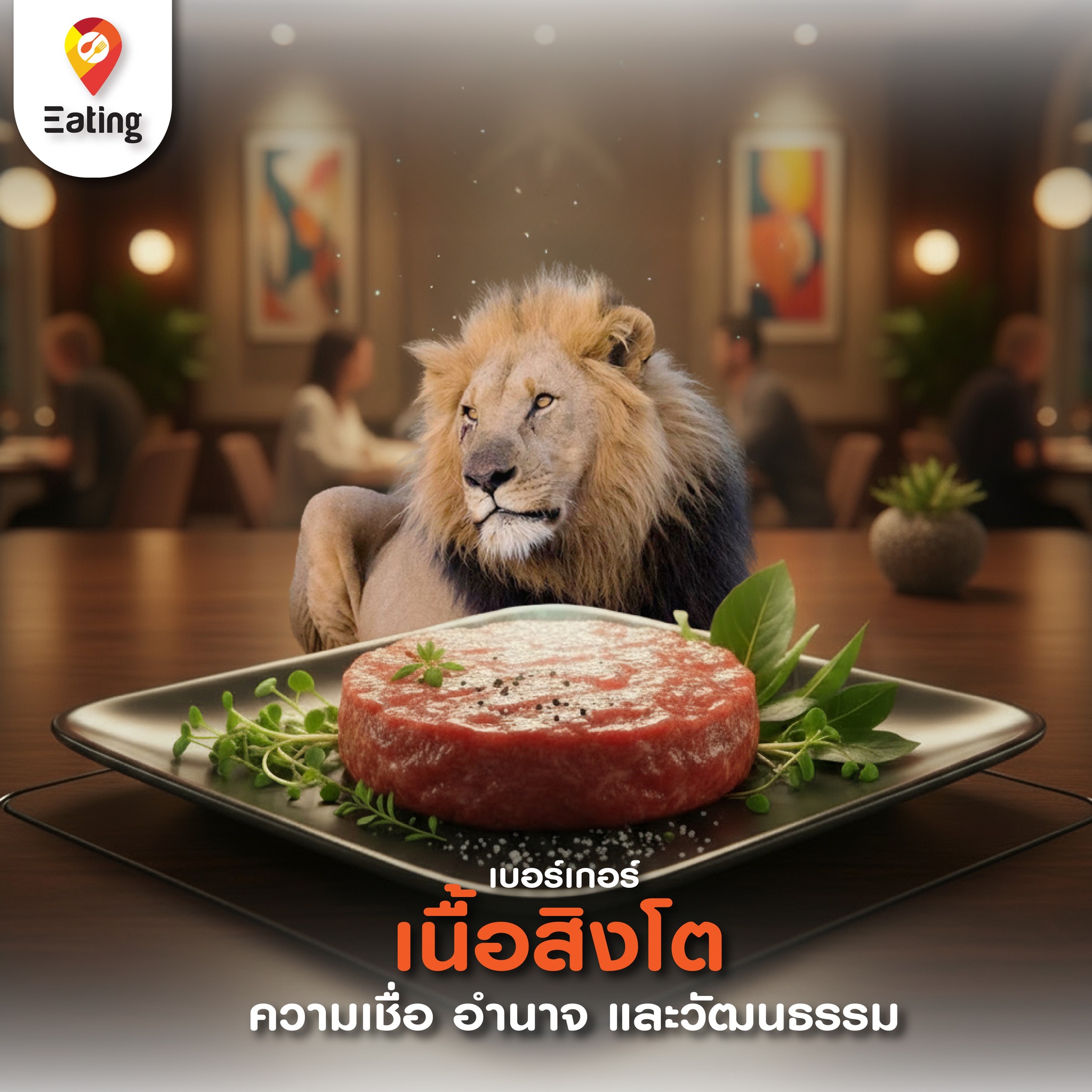
เบอร์เกอร์เนื้อสิงโต
ความเชื่อ อำนาจ และวัฒนธรรม
“เนื้อสิงโต” อาหารแปลก และอนาคตของการกิน
เมื่อพูดถึงอาหารแปลกจากทั่วโลก หลายคนอาจนึกถึงงู แมลง หรือจระเข้ แต่มีสัตว์นักล่าตัวหนึ่งที่ถูกพูดถึงในเชิงอาหารไม่แพ้กัน นั่นคือ “สิงโต” สัตว์ที่ถูกยกย่องว่าเป็น “ราชาแห่งสัตว์ป่า”
.
 ความเชื่อโบราณกินเนื้อสิงโตแล้วได้พลัง
ในวัฒนธรรมโบราณของแอฟริกาและบางเผ่านักรบ มีความเชื่อว่าการดื่มเลือดหรือกินเนื้อสิงโตจะทำให้ผู้กิน ได้รับพลัง ความกล้าหาญ และความแข็งแกร่ง ดุจดั่งสิงโตเอง บางครั้งยังถูกใช้ในพิธีกรรมเพื่อแสดงความเป็นนักล่าหรือเป็นส่วนหนึ่งของการรักษาโรคตามความเชื่อพื้นบ้าน
.
แม้ในโลกปัจจุบันความเชื่อนี้จะไม่ถูกนำมาปฏิบัติจริงแล้ว แต่ก็สะท้อนให้เห็นว่า “อาหาร” ไม่ได้เป็นเพียงสิ่งที่หล่อเลี้ยงร่างกาย แต่ยังเชื่อมโยงกับความศรัทธาและสัญลักษณ์ของอำนาจอีกด้วย
.
 เนื้อสิงโตในฐานะอาหารแปลก
ในประวัติศาสตร์สมัยใหม่ เคยมีบางร้านอาหารในสหรัฐฯ เสิร์ฟเมนูอย่าง Lion Burger หรือ Lion Steak โดยอ้างว่าใช้สิงโตจากฟาร์มเพาะเลี้ยง แต่ก็มักถูกวิพากษ์วิจารณ์อย่างหนักเรื่องจริยธรรมและการอนุรักษ์ เนื่องจากสิงโตเป็นสัตว์ใกล้สูญพันธุ์ การนำมาเป็นอาหารจึงถูกมองว่าไม่เหมาะสม
.
ผู้ที่เคยลองชิมบอกว่า เนื้อสิงโตมีรสชาติคล้ายเนื้อวัวผสมหมู แต่เหนียวกว่า และไม่ได้อร่อยจนอยากกินซ้ำ ซึ่งทำให้เมนูนี้ไม่เคยกลายเป็น “ของนิยม” จริงจัง
.
 จากความเชื่อ สู่เทคโนโลยีอนาคต"เนื้อสิงโตเพาะในแล็บ"
ก้าวเข้าสู่ศตวรรษที่ 21 แนวคิดเรื่อง “เนื้อสิงโต” ถูกชุบชีวิตขึ้นมาอีกครั้ง แต่ครั้งนี้ไม่ได้มาจากการล่า หากมาจาก การเพาะเลี้ยงในห้องแล็บ (Cultivated Meat)
.
บริษัทสตาร์ทอัพด้านอาหาร เช่น Primeval Foods ได้พัฒนาเนื้อเพาะเลี้ยงจากเซลล์สิงโต เสือ และม้าลาย โดยหวังว่าจะเปิดประสบการณ์ใหม่ให้ผู้บริโภคได้ลิ้มรส “อาหารแห่งอนาคต” ที่ไม่ต้องฆ่าสัตว์จริง ๆ อีกต่อไป
.
สิ่งที่น่าตื่นเต้นคือ การเพาะเลี้ยงเนื้อสัตว์ช่วยลดผลกระทบต่อสิ่งแวดล้อมอย่างมหาศาล
ลดการใช้ที่ดินได้ถึง 99%,ใช้น้ำน้อยลง 82–96%,ลดการปล่อยก๊าซเรือนกระจก 78–96%
นอกจากตอบสนองความอยากรู้อยากลองของผู้บริโภคแล้ว ยังช่วยบรรเทาปัญหาสิ่งแวดล้อมที่โลกกำลังเผชิญอยู่ด้วย
.
คนไทยจะได้ลิ้มลองเมนูนี้เมื่อไหร่กันนะ 

“Lion Meat” – Exotic Cuisine and the Future of Eating
When it comes to exotic foods around the world, many may think of snakes, insects, or crocodiles. But there’s another predator that has been mentioned in the culinary world — the lion, long revered as the “King of Beasts.”
Ancient Beliefs: Eating Lion Meat for Power
In ancient African cultures and among certain warrior tribes, it was believed that drinking lion’s blood or eating its meat would grant the eater strength, courage, and bravery — just like the lion itself. Sometimes, lion meat even played a role in rituals to demonstrate hunting prowess or as part of traditional healing practices.
Although such beliefs are no longer followed in today’s world, they remind us that “food” is not only nourishment for the body but also deeply connected to faith, symbolism, and power.
Lion Meat as an Exotic Dish
In modern history, some restaurants in the United States once served dishes like Lion Burger or Lion Steak, claiming the meat came from farm-raised lions. However, these offerings were met with heavy criticism regarding ethics and conservation, since lions are a vulnerable species. Using them as food was widely seen as inappropriate.
Those who tried it described lion meat as tasting like a mix of beef and pork but tougher — and not delicious enough to make people want to eat it again. As a result, lion meat never truly became a popular delicacy.
From Ancient Beliefs to Future Tech: “Lab-Grown Lion Meat”
Fast forward to the 21st century, the concept of “lion meat” has been revived — but not through hunting. Instead, it comes from lab cultivation (cultivated meat).
Food-tech startups such as Primeval Foods have developed cultivated meat from the cells of lions, tigers, and zebras. Their goal is to offer consumers a taste of “the food of the future” without harming any real animals.
What’s exciting is that cultivated meat can massively reduce environmental impacts: Up to 99% less land use,82–96% less water use,78–96% lower greenhouse gas emissions
.
Not only does this innovation cater to adventurous eaters, but it also helps tackle the environmental challenges our world faces today.
.
So, when will Thai people get to taste this futuristic dish?