Insider
New Experience
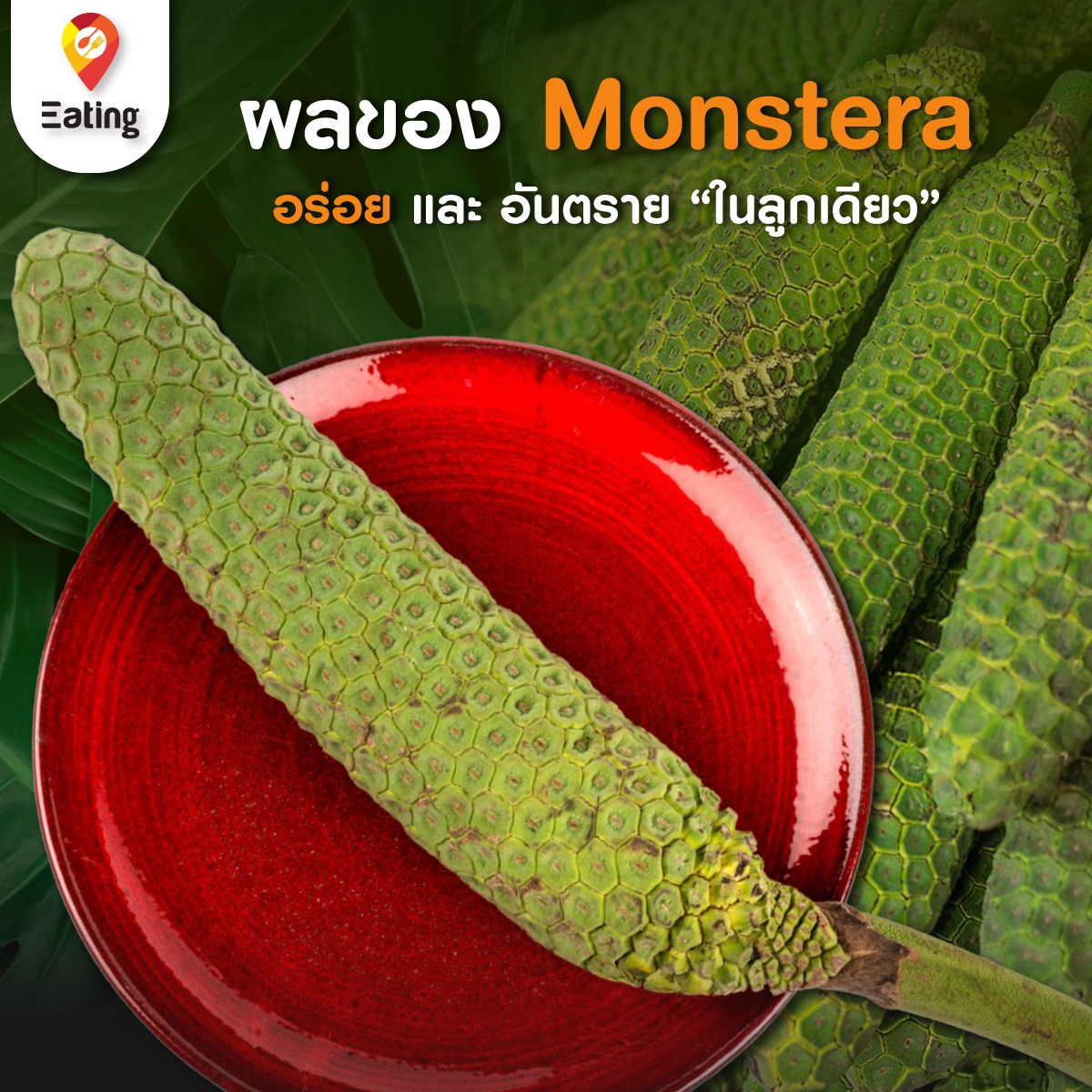
ผลของ Monstera
อร่อยและอันตราย"ในลูกเดียว"
ผลของ Monstera deliciosa หรือที่หลายคนรู้จักกันในชื่อ "ผลพลูฉีก" เป็นหนึ่งในสิ่งที่น่าสนใจมากที่สุดของพืชชนิดนี้ เพราะแม้ว่าต้นมอนสเตราจะเป็นไม้ประดับยอดนิยมทั่วโลก โดยเฉพาะในกลุ่มคนรักต้นไม้สไตล์ Tropical แต่จริงๆ แล้วมันคือพืชที่ให้ “ผลกินได้” และยังมีรสชาติแสนอร่อยชนิดที่คนท้องถิ่นบางแห่งเรียกว่า “ผลไม้สวรรค์”
.
ผลของ Monstera deliciosa มีลักษณะยาวคล้ายฝักข้าวโพด ผิวภายนอกปกคลุมด้วยแผ่นเกล็ดแข็งขนาดเล็กเรียงซ้อนกันคล้ายเกราะ ในช่วงที่ผลยังไม่สุก จะเต็มไปด้วยสารแคลเซียมออกซาเลต (calcium oxalate) ซึ่งเป็นผลึกขนาดจิ๋ว มีลักษณะเป็นเข็มแหลม ถ้าเผลอกินเข้าไปจะรู้สึกแสบคอ ลิ้นพอง หรือแม้แต่เกิดการอักเสบในระบบทางเดินอาหารได้ โดยเฉพาะในคนที่ไวต่อสารนี้หรือเด็กเล็ก
.
การบริโภคผลมอนสเตราจึงต้องอาศัย “เวลาและความอดทน” เพราะต้องรอจนกว่าแผ่นเกล็ดด้านนอกจะเริ่มร่วงหลุดจากปลายผลทีละชั้น ซึ่งเป็นสัญญาณว่าผลเริ่มสุกและปลอดภัยต่อการกิน จุดนี้จะเผยให้เห็นเนื้อผลด้านในสีขาวนวล มีลักษณะนุ่ม ฉ่ำ และมีกลิ่นหอมแรงเฉพาะตัว หลายคนอธิบายรสชาติว่าเหมือนการผสมกันของกล้วย สับปะรด มะม่วง และลิ้นจี่ เป็นรสชาติที่หวานอมเปรี้ยว กลมกล่อม และให้ความรู้สึกเขตร้อนอย่างแท้จริง
.
ในแถบอเมริกากลางและอเมริกาใต้ซึ่งเป็นถิ่นกำเนิดดั้งเดิมของพืชชนิดนี้ ชาวพื้นเมืองนิยมรับประทานผล Monstera deliciosa แบบสดๆ หรือใช้เป็นวัตถุดิบในของหวาน เช่น สลัดผลไม้ ไอศกรีม หรือมูส บางพื้นที่ยังมีการทดลองใช้ผลสุกในการแต่งกลิ่นเครื่องดื่มและขนม เนื่องจากกลิ่นของมันมีความหอมเฉพาะที่ให้ความรู้สึกหรูหราและสดชื่น
.
ในด้านโภชนาการ แม้จะยังไม่มีข้อมูลทางวิทยาศาสตร์อย่างเป็นระบบจำนวนมาก แต่แหล่งข้อมูลพื้นบ้านและงานวิจัยเบื้องต้นระบุว่า เนื้อผล Monstera deliciosa ให้พลังงานในระดับใกล้เคียงกับผลไม้เมืองร้อนทั่วไปประมาณ 90–110 กิโลแคลอรีต่อ 100 กรัม อุดมด้วยไฟเบอร์ วิตามินซี และสารต้านอนุมูลอิสระบางชนิด ซึ่งเป็นประโยชน์ต่อระบบย่อยอาหารและสุขภาพผิว
.
อย่างไรก็ตาม เนื่องจากพืชชนิดนี้มีความสัมพันธ์กับกลุ่ม Araceae ที่หลายชนิดมีพิษ การกินผล Monstera deliciosa จึงต้องอาศัยความรู้และความระมัดระวังเป็นพิเศษ โดยเฉพาะในกรณีที่ยังไม่เคยลองมาก่อน ไม่ควรเด็ดหรือฝืนกินผลดิบโดยเด็ดขาด และควรรอให้ผลสุกตามธรรมชาติเท่านั้น
.
แม้จะเป็นพืชที่ต้องใช้ความระมัดระวังในการบริโภค แต่ก็ปฏิเสธไม่ได้เลยว่า ผลของ Monstera deliciosa เป็นหนึ่งในของขวัญจากธรรมชาติที่ทั้งสวยงาม แปลกตา และน่าค้นหาทั้งในเชิงพฤกษศาสตร์และรสชาติ
The fruit of Monstera deliciosa, also known by many as the “split-leaf fruit” is one of the most fascinating features of this plant.
Although Monstera is a globally popular ornamental plant especially among those who love tropical-style foliage it is actually a fruit-bearing plant with edible fruit.
And not only is it edible, but in some local communities, it’s even called the “fruit of paradise” due to its delicious taste.
.
The fruit of Monstera deliciosa is long and resembles an ear of corn.
Its outer surface is covered with small, hard, overlapping scales, resembling armor.
When the fruit is still unripe, it is filled with calcium oxalate crystals tiny, needle-like structures.
If consumed accidentally, they can cause a burning sensation in the throat, tongue swelling, or even inflammation in the digestive tract especially in sensitive individuals or young children.
.
Eating the Monstera fruit, therefore, requires time and patience.
One must wait until the outer scales begin to fall off from the tip, layer by layer, which is a sign that the fruit has ripened and is safe to eat.
At this stage, the soft, juicy, ivory-colored flesh inside is revealed, along with a strong, distinctive fragrance.
Many describe the flavor as a blend of banana, pineapple, mango, and lychee sweet, slightly tangy, well-balanced, and unmistakably tropical.
.
In Central and South America, the native regions of this plant, local people enjoy Monstera deliciosa fruit fresh, or use it in desserts such as fruit salads, ice cream, or mousse.
In some areas, ripe fruit is even being experimented with as a flavoring for drinks and sweets, thanks to its uniquely luxurious and refreshing aroma.
.
Nutritionally, although there is not yet extensive scientific research, traditional sources and preliminary studies suggest that Monstera deliciosa flesh provides energy similar to other tropical fruits about 90 to 110 kilocalories per 100 grams.
It is rich in fiber, vitamin C, and certain antioxidants, which are beneficial for digestion and skin health.
.
However, since this plant belongs to the Araceae family, many members of which are toxic, consuming Monstera deliciosa requires knowledge and caution.
Especially for those who have never tried it before, the raw or unripe fruit should never be eaten, and it should only be consumed when fully ripened naturally.
.
Although care is needed in consuming this plant, there’s no denying that the fruit of Monstera deliciosa is one of nature’s gifts beautiful, exotic, and full of wonder, both botanically and gastronomically.