Insider
New Experience
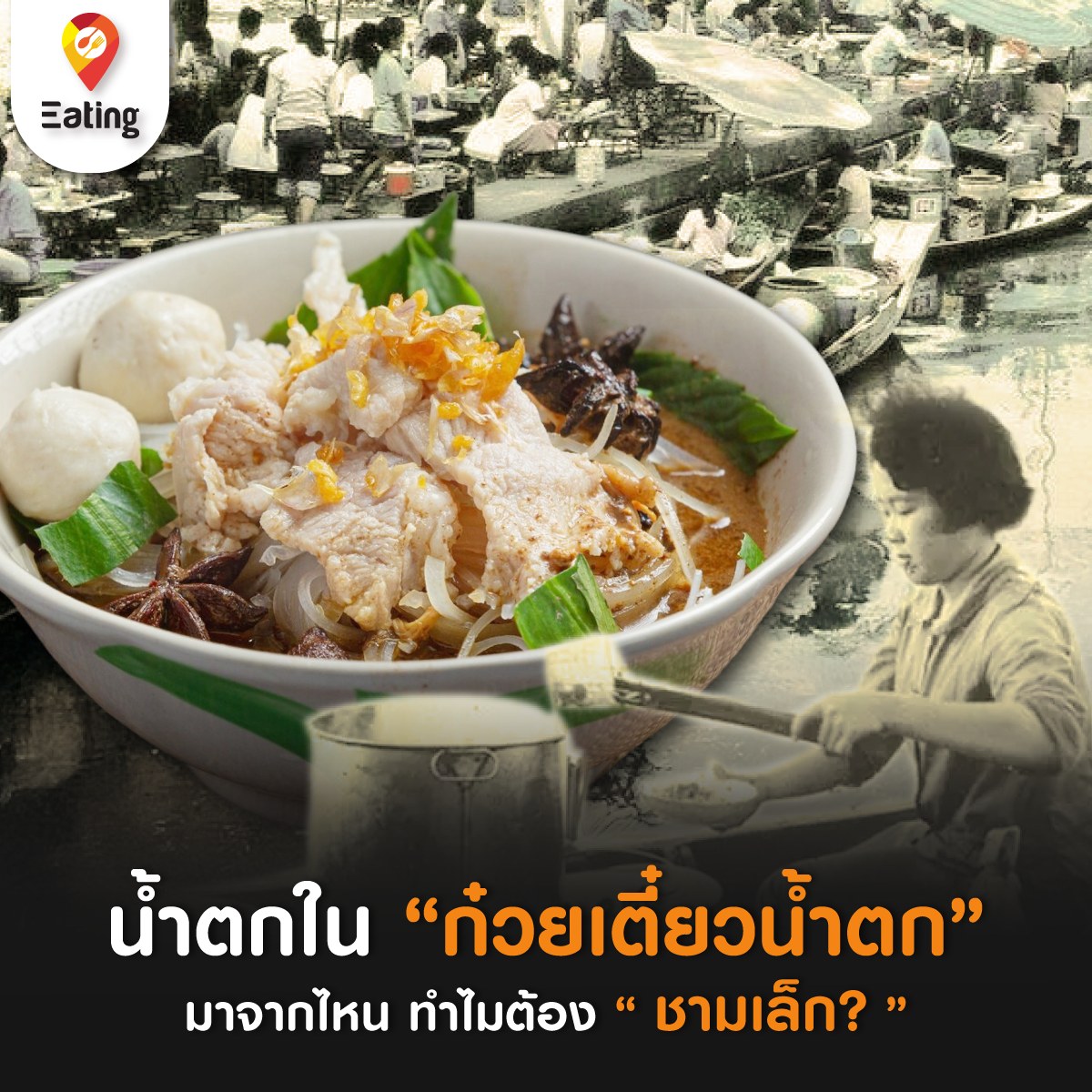
"ก๋วยเตี๋ยวน้ำตก"
มากจากไหนทำไมต้องชามเล็ก
 น้ำตกใน "ก๋วยเตี๋ยวน้ำตก" มาจากอะไร? และทำไมก๋วยเตี๋ยวเรือต้องเสิร์ฟใน "ชามเล็ก"?
ㅤ
หลายคนอาจคิดว่า “น้ำตก” ในก๋วยเตี๋ยวน้ำตกเกี่ยวกับน้ำตกตามธรรมชาติ…
ความจริงแล้ว มันไม่ได้เกี่ยวกันเลยแม้แต่นิดเดียว!
ㅤ
ย้อนกลับไปสมัยที่ก๋วยเตี๋ยวขายกันบนเรือ พ่อค้าแม่ค้าจะวางเนื้อสดไว้บนถาดน้ำแข็ง เพื่อรักษาความสด ด้านล่างของถาดจะมี ชามรองเลือด หรือรองน้ำจากน้ำแข็งที่ละลายผสมเลือดจากเนื้อ
เวลาเตรียมชามใหม่ พ่อค้าจะตักหยดเลือดนั้นเล็กน้อยใส่ลงในน้ำซุปร้อน ๆ
เลือดที่ “ตก” จากเนื้อสู่ชามรองนี่เอง คือที่มาของคำว่า “น้ำตก” น้ำซุปจึงมีสีเข้ม รสเข้ม และหอมเครื่องเทศเฉพาะตัว
ㅤ
 ทำไมก๋วยเตี๋ยวเรือต้องชามเล็ก?
ขายก๋วยเตี๋ยวบนเรือ พื้นที่มีจำกัดมาก ต้องพายเรือ ปรุง และส่งชามไปให้ลูกค้าริมฝั่ง ชามเล็กจึงปลอดภัยและคล่องตัวที่สุด
• ลดความเสี่ยงน้ำซุปร้อนหกใส่คนปรุงหรือคนกิน
• กินหมดไว สั่งซ้ำได้เรื่อย ๆ หมุนเวียนลูกค้าเร็วขึ้น
• ในยุค จอมพล ป. พิบูลสงคราม รัฐบาลสนับสนุนให้คนกินก๋วยเตี๋ยวเพื่อกระตุ้นเศรษฐกิจ ขายกันชามละ 1–2 บาท ชามเล็กจึงเหมาะทั้งราคาและปริมาณ
ㅤ
แม้วันนี้ก๋วยเตี๋ยวเรือจะขึ้นมาขายบนบก แต่หลายร้านยังคงชามเล็กและสูตรน้ำซุปแบบ “น้ำตก” เอาไว้
เพราะนี่ไม่ใช่แค่อาหาร… แต่มันคือรสชาติของเรื่องเล่าจากเรือเล็กในวันวาน
What does “Nam Tok” in Thai boat noodles mean? And why are they served in small bowls?
ㅤ
Many people might think the word “Nam Tok” (meaning “waterfall” in Thai) in boat noodles has something to do with real waterfalls…
In reality, it has nothing to do with nature at all!
ㅤ
Back in the days when noodles were sold from boats, vendors would place fresh meat on trays of ice to keep it fresh. Underneath the tray, there would be a bowl to collect the dripping blood—a mix of blood and melted ice water from the meat.
When preparing a new serving, the vendor would scoop a little of this liquid and add it to the hot broth.
The blood that “fell” from the meat into the bowl is what gave rise to the name “Nam Tok.” This made the broth richer in color, deeper in flavor, and fragrant with spices.
ㅤ
Why are boat noodles served in small bowls?
Selling noodles from a boat meant working in a very limited space—paddling, cooking, and passing bowls to customers on the riverbank. Small bowls were the safest and most practical choice.
• They reduced the risk of hot soup spilling on the vendor or the customer.
• Customers could finish quickly, order more, and keep the turnover fast.
• During the era of Field Marshal Plaek Phibunsongkhram, the government promoted noodle consumption to boost the economy. Bowls sold for just 1–2 baht, making small portions perfect for both price and serving size.
ㅤ
Even today, although boat noodles are mostly sold on land, many shops still keep the small bowls and the signature “Nam Tok” broth.
Because this isn’t just food… it’s the taste of a story passed down from the little boats of the past.