Loading...
Insider
New Experience
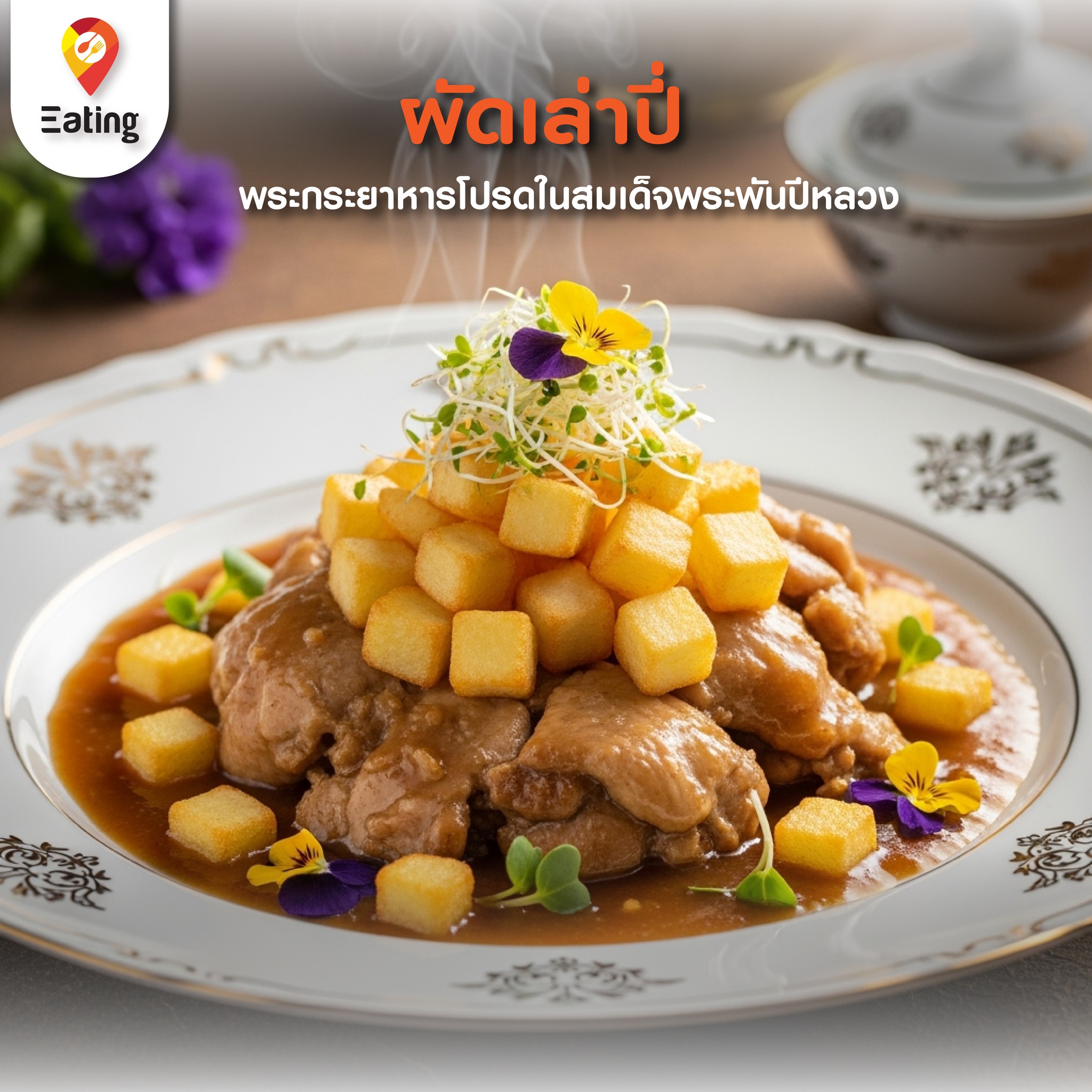
ผัดเล่าปี่ พระกระยาหารโปรดในสมเด็จพระพันปีหลวง
ผัดเล่าปี่
คือหนึ่งในเมนูอาหารไทยตำรับพระราชทานที่มีเรื่องราวน่าสนใจและมีความผูกพันกับพระราชินีแห่งไทย สมเด็จพระนางเจ้าสิริกิติ์ พระบรมราชินีนาถ พระบรมราชชนนีพันปีหลวง พระองค์ทรงโปรดอาหารไทยที่เรียบง่ายและมีคุณค่าทางโภชนาการ โดยเฉพาะเมนูที่สะท้อนภูมิปัญญาไทยและการผสมผสานวัฒนธรรมการกินอย่างประณีต
.
เมนู “ผัดเล่าปี่” ถูกบันทึกไว้ว่าเป็นตำรับพระราชทานเมื่อปี พ.ศ. 2505 ในโอกาสที่พระองค์ทรงพระราชทานแก่สายปัญญาสมาคมเพื่อใช้ในงานแสดงและประกวดอาหารไทย ถือเป็นอีกหนึ่งสัญลักษณ์ของพระราชจริยวัตรอันงดงาม ที่ทรงให้ความสำคัญกับอาหารไทยและสุขภาพของประชาชน เมนูนี้มีที่มาจากการประยุกต์อาหารจีนให้เข้ากับรสชาติแบบไทย โดยคำว่า “เล่าปี่” อาจฟังดูคล้ายชื่อของตัวละครในสามก๊ก แต่แท้จริงแล้วเป็นเพียงชื่อที่ใช้เรียกเมนูนี้
.
ซึ่งมีลักษณะคล้ายผัดราดหน้าแบบน้ำขลุกขลิก ใช้ “เซี่ยงจี๊” หรือหมูลูกโตสีขาวเป็นวัตถุดิบหลัก ผัดกับกระเทียมเจียวจนหอม เติมเครื่องปรุงรสอย่างซีอิ๊วขาว น้ำส้มสายชู น้ำตาลทราย และพริกไทย แล้วทำให้ซอสข้นด้วยแป้งข้าวโพด ก่อนเสิร์ฟราดบนข้าวสวยร้อนๆ หรือเส้นหมี่ทอดกรอบ โรยหน้าด้วยมันฝรั่งทอดกรอบเพิ่มรสสัมผัสและความสวยงามของจาน
.
เมนูนี้ไม่เพียงมีรสชาติกลมกล่อม แต่อุดมด้วยโปรตีนจากหมูและคาร์โบไฮเดรตจากมันฝรั่ง เป็นอาหารที่ให้พลังงานเหมาะสม และยังมีคุณค่าทางโภชนาการสูง เหมาะสำหรับทุกเพศทุกวัย “ผัดเล่าปี่” จึงไม่ได้เป็นเพียงอาหารตำรับโบราณ แต่ยังสะท้อนถึงแนวพระราชดำริของสมเด็จพระนางเจ้าสิริกิติ์ฯ ที่ทรงส่งเสริมการอนุรักษ์อาหารไทยพื้นบ้านให้คงอยู่คู่สังคมไทยอย่างยั่งยืน และเป็นตัวอย่างของความงดงามในความเรียบง่ายที่แฝงไว้ด้วยพระเมตตาและปัญญาอย่างแท้จริง
คือหนึ่งในเมนูอาหารไทยตำรับพระราชทานที่มีเรื่องราวน่าสนใจและมีความผูกพันกับพระราชินีแห่งไทย สมเด็จพระนางเจ้าสิริกิติ์ พระบรมราชินีนาถ พระบรมราชชนนีพันปีหลวง พระองค์ทรงโปรดอาหารไทยที่เรียบง่ายและมีคุณค่าทางโภชนาการ โดยเฉพาะเมนูที่สะท้อนภูมิปัญญาไทยและการผสมผสานวัฒนธรรมการกินอย่างประณีต
.
เมนู “ผัดเล่าปี่” ถูกบันทึกไว้ว่าเป็นตำรับพระราชทานเมื่อปี พ.ศ. 2505 ในโอกาสที่พระองค์ทรงพระราชทานแก่สายปัญญาสมาคมเพื่อใช้ในงานแสดงและประกวดอาหารไทย ถือเป็นอีกหนึ่งสัญลักษณ์ของพระราชจริยวัตรอันงดงาม ที่ทรงให้ความสำคัญกับอาหารไทยและสุขภาพของประชาชน เมนูนี้มีที่มาจากการประยุกต์อาหารจีนให้เข้ากับรสชาติแบบไทย โดยคำว่า “เล่าปี่” อาจฟังดูคล้ายชื่อของตัวละครในสามก๊ก แต่แท้จริงแล้วเป็นเพียงชื่อที่ใช้เรียกเมนูนี้
.
ซึ่งมีลักษณะคล้ายผัดราดหน้าแบบน้ำขลุกขลิก ใช้ “เซี่ยงจี๊” หรือหมูลูกโตสีขาวเป็นวัตถุดิบหลัก ผัดกับกระเทียมเจียวจนหอม เติมเครื่องปรุงรสอย่างซีอิ๊วขาว น้ำส้มสายชู น้ำตาลทราย และพริกไทย แล้วทำให้ซอสข้นด้วยแป้งข้าวโพด ก่อนเสิร์ฟราดบนข้าวสวยร้อนๆ หรือเส้นหมี่ทอดกรอบ โรยหน้าด้วยมันฝรั่งทอดกรอบเพิ่มรสสัมผัสและความสวยงามของจาน
.
เมนูนี้ไม่เพียงมีรสชาติกลมกล่อม แต่อุดมด้วยโปรตีนจากหมูและคาร์โบไฮเดรตจากมันฝรั่ง เป็นอาหารที่ให้พลังงานเหมาะสม และยังมีคุณค่าทางโภชนาการสูง เหมาะสำหรับทุกเพศทุกวัย “ผัดเล่าปี่” จึงไม่ได้เป็นเพียงอาหารตำรับโบราณ แต่ยังสะท้อนถึงแนวพระราชดำริของสมเด็จพระนางเจ้าสิริกิติ์ฯ ที่ทรงส่งเสริมการอนุรักษ์อาหารไทยพื้นบ้านให้คงอยู่คู่สังคมไทยอย่างยั่งยืน และเป็นตัวอย่างของความงดงามในความเรียบง่ายที่แฝงไว้ด้วยพระเมตตาและปัญญาอย่างแท้จริง
.
“Pad Laopi” is one of the royal Thai dishes with a fascinating story and a deep connection to Her Majesty Queen Sirikit, The Queen Mother. Her Majesty has always favored simple yet nutritious Thai cuisine—dishes that reflect the wisdom and refined craftsmanship of Thai culinary traditions. “Pad Laopi” was recorded as a royal recipe in 1962 (B.E. 2505), when the Queen graciously bestowed it upon the Saipanya Association for use in Thai food exhibitions and competitions. This dish stands as a symbol of Her Majesty’s grace and her dedication to preserving Thai cuisine and promoting public health.
The origin of “Pad Laopi” lies in the adaptation of a Chinese-style stir-fry into a Thai flavor profile. Although its name sounds similar to “Liu Bei,” a character from the Chinese epic Romance of the Three Kingdoms, the name here simply refers to this particular dish. It resembles a Thai-style stir-fried dish with a slightly thickened sauce—somewhat like rad na—using siang ji (pork loin) as the main ingredient. The pork is stir-fried with fragrant garlic, seasoned with soy sauce, vinegar, sugar, and pepper, then thickened with cornstarch to create a glossy sauce. It is typically served over steamed rice or crispy fried noodles, topped with golden fried potato strips for texture and visual appeal.
Not only is “Pad Laopi” flavorful and well-balanced, but it also provides a good source of protein from the pork and carbohydrates from the potatoes, making it a wholesome and energizing meal suitable for all ages. More than just a traditional recipe, this dish embodies Queen Sirikit’s vision of preserving and promoting Thai culinary heritage. It reflects the beauty of simplicity—imbued with compassion, cultural pride, and the enduring wisdom of Thailand’s beloved Queen Mother.
The origin of “Pad Laopi” lies in the adaptation of a Chinese-style stir-fry into a Thai flavor profile. Although its name sounds similar to “Liu Bei,” a character from the Chinese epic Romance of the Three Kingdoms, the name here simply refers to this particular dish. It resembles a Thai-style stir-fried dish with a slightly thickened sauce—somewhat like rad na—using siang ji (pork loin) as the main ingredient. The pork is stir-fried with fragrant garlic, seasoned with soy sauce, vinegar, sugar, and pepper, then thickened with cornstarch to create a glossy sauce. It is typically served over steamed rice or crispy fried noodles, topped with golden fried potato strips for texture and visual appeal.
Not only is “Pad Laopi” flavorful and well-balanced, but it also provides a good source of protein from the pork and carbohydrates from the potatoes, making it a wholesome and energizing meal suitable for all ages. More than just a traditional recipe, this dish embodies Queen Sirikit’s vision of preserving and promoting Thai culinary heritage. It reflects the beauty of simplicity—imbued with compassion, cultural pride, and the enduring wisdom of Thailand’s beloved Queen Mother.