Insider
New Experience
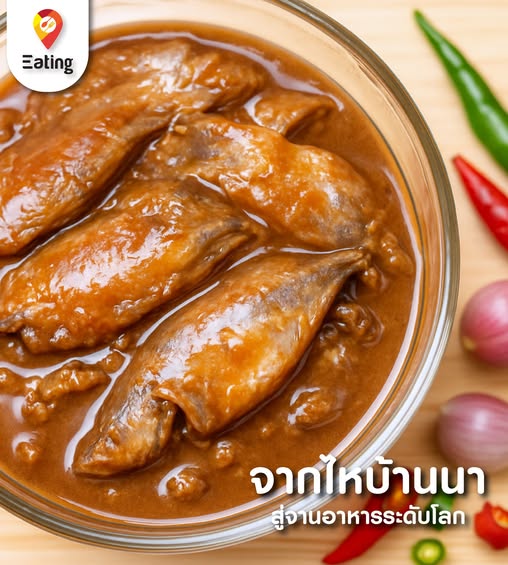
จากไหบ้านนา
สู่จานอาหารระดับโลก
จากไหบ้านนา...สู่จานอาหารระดับโลก
"ปลาร้า" หรือที่คนอีสานเรียกกันคุ้นปากว่า "ปลาแดก" คือหนึ่งในวัตถุดิบพื้นบ้านที่อยู่คู่ครัวไทยมายาวนานหลายร้อยปี ด้วยกระบวนการหมักปลากับเกลือและรำข้าวในไหดินเผา ปลาร้าจึงไม่ได้เป็นเพียงเครื่องปรุงรส แต่ยังสะท้อนภูมิปัญญาการถนอมอาหาร และวิถีชีวิตที่อิงอยู่กับธรรมชาติของชุมชนในภาคอีสานของไทย
.
 ความลึกซึ้งในวัฒนธรรมการกิน
ในอดีต ปลาร้ามักถูกมองว่าเป็นอาหารของคนบ้านนอก เป็นวัตถุดิบราคาถูก และมีกลิ่นแรงที่ไม่เป็นที่คุ้นชินของคนเมืองหรือชาวต่างชาติ แต่ภายใต้กลิ่นที่หลายคนเคยปฏิเสธ กลับซ่อนรสชาติที่ซับซ้อนและเปี่ยมไปด้วยเอกลักษณ์ที่หาไม่ได้จากเครื่องปรุงชนิดใดในโลก
ปลาร้าไม่เพียงเพิ่มความเค็มและกลมกล่อมให้กับอาหารเท่านั้น แต่ยังสร้าง “รสลึก” หรือ umami ตามธรรมชาติ ที่มาจากกระบวนการหมักและย่อยสลายของโปรตีนในปลา เป็นสิ่งที่ผู้รู้หลายคนกล่าวว่าใกล้เคียงกับการทำซอสถั่วเหลือง หรือชีสบางชนิด
.
 จากครัวบ้าน...สู่โต๊ะอาหารสากล
ในช่วงไม่กี่ปีที่ผ่านมา ปลาร้าเริ่มถูกนำเสนอในรูปแบบใหม่ ไม่ใช่เพียงในตำส้มตำหรือแกงอ่อม แต่ปรากฏอยู่ในจานของร้านอาหารแนว modern Thai และ fine dining ทั้งในประเทศไทยและต่างประเทศ
หลายร้านอาหารระดับเชฟมิชลินในกรุงเทพฯ ได้พัฒนาเมนูโดยใช้ปลาร้าเป็นส่วนผสม เช่น น้ำสลัดปลาร้า มูสปลาร้า หรือซอสปลาร้าที่ผ่านการปรับกลิ่นให้ละมุน แต่ยังคงรสชาติอันลึกซึ้ง นอกจากนี้ยังมีเชฟไทยในต่างประเทศที่นำปลาร้าไปใช้เป็นฐานรสในเมนูร่วมสมัย เพื่อแสดงออกถึงรากเหง้าทางวัฒนธรรมผ่านอาหาร
.
ตัวอย่างที่น่าสนใจคือ เชฟ “หนุ่ม-วิทย์ ธีระพัฒน์” แห่งร้าน Sorn ซึ่งเป็นร้านอาหารไทยระดับ 2 ดาวมิชลิน เคยกล่าวว่า “การใช้ปลาร้าไม่ใช่เพียงการปรุงรส แต่คือการเล่าเรื่องของแผ่นดินอีสานผ่านรสชาติ”
.
 การยอมรับในเชิงวิชาการและสากล
ปี 2021 องค์กร Slow Food International จากอิตาลี ได้ขึ้นทะเบียน "ปลาร้า" ของไทยในโครงการ Ark of Taste ซึ่งเป็นรายการอาหารท้องถิ่นที่ควรค่าแก่การอนุรักษ์ในฐานะมรดกวัฒนธรรมทางอาหารของโลก นับเป็นก้าวสำคัญที่ช่วยเปลี่ยนภาพจำจากวัตถุดิบท้องถิ่นธรรมดา สู่การเป็นตัวแทนของเอกลักษณ์ประจำชาติที่โลกยอมรับ
.
ในเชิงโภชนาการ งานวิจัยจากมหาวิทยาลัยขอนแก่น และมหาวิทยาลัยมหิดล ยังระบุว่า ปลาร้าที่หมักอย่างถูกสุขลักษณะสามารถให้กรดอะมิโนที่จำเป็นหลายชนิด รวมถึงสารต้านอนุมูลอิสระตามธรรมชาติ
From Village Jars to Global Cuisine: The Journey of Pla Ra
Pla ra, or what the people of Northeastern Thailand (Isan) commonly refer to as pla daek, is a traditional fermented fish condiment that has been a staple in Thai kitchens for centuries. Made by fermenting freshwater fish with salt and rice bran in earthenware jars, pla ra is more than just a seasoning—it's a reflection of indigenous food preservation wisdom and a lifestyle deeply rooted in nature and community.
🧂 A Deep Cultural Flavor
In the past, pla ra was often seen as a rural food—cheap, pungent, and unappealing to city dwellers or foreigners. However, behind its strong aroma lies a complex and unique taste that cannot be found in any other seasoning in the world.
Pla ra doesn't just add saltiness and umami to dishes; it creates a deep, layered flavor that comes from the natural breakdown of proteins during fermentation. Many culinary experts compare it to the processes used to make soy sauce or certain types of cheese.
🍽️ From Home Kitchens to International Tables
In recent years, pla ra has been reintroduced in innovative forms—not only in classic dishes like som tam (papaya salad) or gaeng om (Isan-style herb soup), but also on the menus of modern Thai and fine dining restaurants, both in Thailand and abroad.
Several Michelin-starred restaurants in Bangkok have developed dishes that incorporate pla ra, such as pla ra vinaigrettes, mousses, or delicate sauces where the aroma is softened but the depth of flavor remains intact. Thai chefs overseas have also used pla ra as a foundational element in contemporary fusion dishes, expressing their cultural roots through refined culinary presentations.
One notable example is Chef Wichian "Noom" Teerapat of the two-Michelin-starred restaurant Sorn, who once said, “Using pla ra is not just about seasoning food—it’s about telling the story of the Isan region through taste.”
📚 Academic and Global Recognition
In 2021, Italy-based Slow Food International included Thailand’s pla ra in its Ark of Taste project—a catalog of endangered heritage foods worth preserving. This was a significant milestone in redefining pla ra from a humble local ingredient to a recognized emblem of Thai culinary identity on the world stage.
From a nutritional perspective, studies from Khon Kaen University and Mahidol University have shown that properly fermented pla ra can provide essential amino acids and natural antioxidants, adding further value beyond taste and tradition.