Insider
New Experience
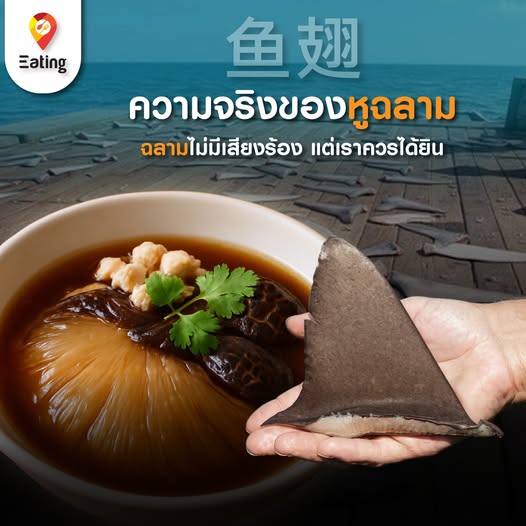
ความจริงของหูฉลาม
ฉลามไม่มีเสียงร้อง แต่เราควรได้ยิน
เสียงเงียบของมหาสมุทร
กลางท้องทะเลลึกที่เคยเต็มไปด้วยเสียงคลื่นกระทบหิน ปลาฝูงใหญ่เคลื่อนไหวราวกับระบายสีฟ้าให้โลกใต้น้ำ และฉลามที่เคลื่อนตัวอย่างสง่างามในฐานะนักล่าบนจุดสูงสุดของห่วงโซ่อาหาร ทุกอย่างนั้นกำลังค่อยๆ เงียบลง เงียบเหมือนเสียงร้องของพวกมันที่ไม่มีใครเคยได้ยิน
.
ฉลามไม่ได้ถูกฆ่าเพราะเนื้อของมัน พวกมันไม่ได้ถูกล่าเพราะเป็นศัตรูของใคร แต่เพราะครีบเพียงชิ้นเดียวที่ถูกตัดออกจากร่าง ครีบที่เมื่ออยู่ในตัวมันมีค่าเพียงแค่ช่วยให้มันว่ายน้ำ แต่เมื่ออยู่ในชาม มันถูกตีตราว่า “หรูหรา” และ “สมเกียรติ” สำหรับงานเลี้ยงบนบก
.
ภาพฉลามนับล้านตัวที่ถูกลากขึ้นจากตาข่าย ตัดครีบขณะยังดิ้นรน และร่างเปลือยเปล่าที่ไร้ครีบถูกโยนกลับสู่ทะเล มันไม่ได้จมหายไปอย่างสงบ ร่างนั้นจมช้าๆ ด้วยความทุกข์ทรมาน พยายามขยับเพื่อหายใจ แต่ไร้ครีบที่จะพยุงตัว ลมหายใจสุดท้ายกลายเป็นฟองอากาศเล็กๆ ที่แตกตัวในน้ำเหมือนไม่เคยมีชีวิตนั้นอยู่
.
รายงานจากองค์กรอนุรักษ์ระบุว่า ทุกปีมีฉลามกว่า 100 ล้านตัว ตายเพราะการล่าครีบเพื่อซุปหูฉลาม ตัวเลขนั้นสูงจนน่าตกใจ และมากพอที่จะทำให้ฉลามหลายสายพันธุ์เข้าสู่ภาวะใกล้สูญพันธุ์ หลายสายพันธุ์ เช่น Hammerhead, Thresher, และ Oceanic Whitetip ถูกจัดให้อยู่ในบัญชีแดงของ IUCN (International Union for Conservation of Nature) เพราะจำนวนลดลงกว่า 70% ภายในเวลาไม่ถึง 50 ปี
.
แต่นี่ไม่ใช่แค่เรื่องของฉลาม นี่คือเรื่องของมหาสมุทร
ในระบบนิเวศทางทะเล ฉลามคือผู้ควบคุมสมดุล พวกมันจัดการประชากรสัตว์ที่อยู่ลำดับต่ำกว่าให้ไม่ระบาดเกินไป เมื่อฉลามหายไป เหยื่อของมัน เช่น ปลากินพืชหรือสัตว์เล็ก จะเพิ่มจำนวนแบบไร้การควบคุม สาหร่ายในแนวปะการังจะถูกกินจนหมด เกิด Dead Zone พื้นที่ที่สิ่งมีชีวิตไม่สามารถอยู่รอด ระบบนิเวศล่มสลาย และผลกระทบนี้ย้อนกลับมาสู่มนุษย์อย่างช้าๆ ผ่านการขาดแคลนอาหารทะเล ภัยธรรมชาติ และอุณหภูมิโลกที่สูงขึ้นเพราะมหาสมุทรไม่สามารถดูดซับคาร์บอนตามธรรมชาติได้อีกต่อไป
.
คำถามคือ…ครีบเหนียวๆ ในซุปชามนั้น คุ้มกับการสูญเสียทั้งหมดนี้หรือไม่?
จริงๆ แล้วครีบฉลามไม่มีรสชาติเป็นของตัวเอง สิ่งที่ทำให้ซุปหูฉลามอร่อยคือเครื่องปรุง น้ำซุปเข้มข้น และสมุนไพรต่างๆ ครีบฉลามให้เพียงเนื้อสัมผัสวุ้นๆ เหนียวๆ ซึ่งนักชิมหลายคนยอมรับว่าแทบไม่มีความจำเป็นต่อรสชาติ หากเปลี่ยนเป็นวัตถุดิบอื่น เช่น เห็ดหูหนู เห็ดหอม หรือวุ้นเส้น ก็ยังให้รสสัมผัสคล้ายกันได้โดยไม่ต้องทำลายชีวิตใดๆ
.
ทุกคำที่ซด ทุกการยกช้อนขึ้นลิ้มรส คือการสนับสนุนอุตสาหกรรมการฆ่าล้างเผ่าพันธุ์เงียบๆ ใต้น้ำ ชีวิตที่จากไปไม่ได้ทิ้งเสียงกรีดร้องไว้ในอากาศ แต่ทิ้งรอยแผลลึกในมหาสมุทรที่ไม่อาจเยียวยา
TheSilentCryOfTheOcean
In the depths of the sea, where once the sound of waves crashing against rocks echoed, schools of fish painted the waters in hues of blue, and sharks glided with majestic grace as apex predators—everything is growing quiet. Silent, like the cries of creatures no one has ever heard.
Sharks are not killed for their meat. They are not hunted for being anyone’s enemy. But for a single piece—cut from their bodies—their fins. Fins which, when part of them, serve only to help them swim, yet once placed in a bowl, are labeled as “luxury” and “prestige” for feasts on land.
Millions of sharks are hauled up in nets, their fins sliced off while they still struggle, and their finless bodies thrown back into the sea. They do not sink peacefully. Their bodies descend slowly, in agony, trying to move and breathe, but without fins to keep them afloat. Their final breaths become tiny bubbles, bursting in the water as if their lives never existed.
Reports from conservation organizations reveal that over 100 million sharks die every year for shark fin soup. The number is staggering—enough to push many species toward extinction. Species like the hammerhead, thresher, and oceanic whitetip sharks are now on the IUCN (International Union for Conservation of Nature) Red List, having declined by over 70% in less than 50 years.
But this isn’t just about sharks. It’s about the ocean.
In marine ecosystems, sharks are the balancers. They regulate populations of lower-level species, preventing them from overrunning the system. Without sharks, their prey—herbivorous fish or small animals—multiply uncontrollably, devouring coral reef algae and creating dead zones where life cannot survive. Ecosystems collapse. And these effects ripple back to humans—through seafood shortages, natural disasters, and rising global temperatures as oceans lose their ability to absorb carbon naturally.
The question is…
Is that chewy fin in your soup worth all of this loss?
The truth is, shark fins have no flavor of their own. What makes shark fin soup taste good is the rich broth, seasonings, and herbs. The fin merely adds a gelatinous, chewy texture—something many culinary experts agree could easily be replaced with ingredients like black fungus, shiitake mushrooms, or glass noodles, giving a similar mouthfeel without taking a single life.
Every sip, every spoonful lifted to taste, is a silent endorsement of an industry that quietly commits genocide beneath the waves. The lives lost do not leave screams in the air—but deep, unhealable scars in the ocean.