Insider
New Experience
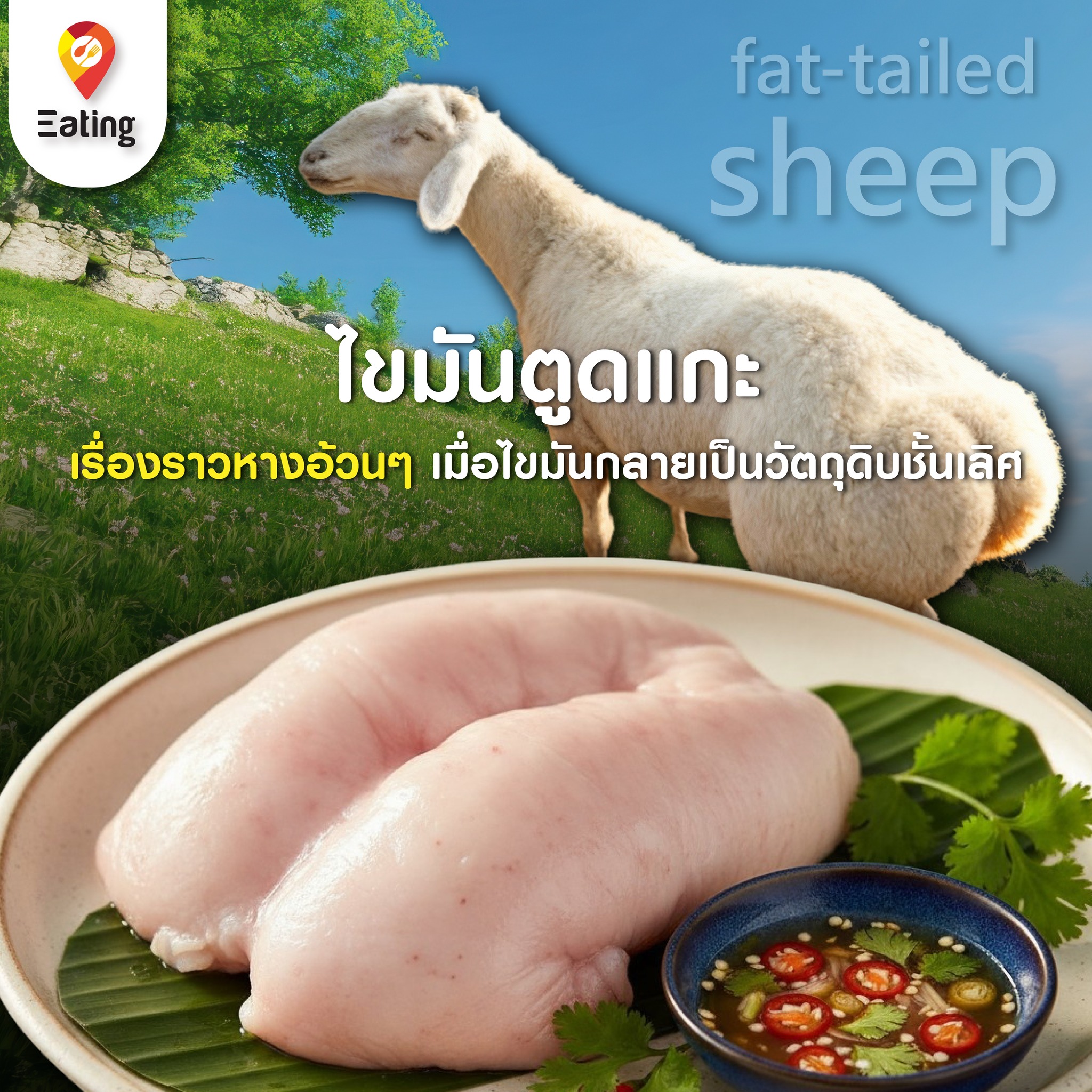
“ไขมันตูดแกะ”เรื่องราวของหางอ้วนๆ
เมื่อไขมันกลายเป็นวัตถุดิบชั้นเลิศ
ถ้าได้ยินชื่อ “ไขมันตูดแกะ” หรือ “หางแกะอ้วน” บางคนอาจขำก่อนคิด แต่จริง ๆ แล้วนี่คือวัตถุดิบลับสุดเด็ดของหลายประเทศในเอเชียกลางและตะวันออกกลางเลยนะ เพราะแกะบางสายพันธุ์เขาจะสะสมไขมันไว้ตรงหางจนโตอวบอ้วน ซึ่งคนท้องถิ่นเรียกว่า fat-tailed sheep หรือแกะแขนหางอ้วน ไขมันตรงนี้ไม่ได้มีดีแค่หน้าตา แต่เป็นหัวใจของเมนูหลายชนิดที่กินแล้วฟินสุด ๆ
.
คนแถวอิหร่าน อุซเบกิสถาน ทาจิกิสถาน หรือบางพื้นที่ในตุรกีและแอฟริกาเหนือ เขานิยมนำไขมันหางแกะมาทำอาหารมานานหลายร้อยปี เพราะนอกจากจะให้รสชาติและความมันเฉพาะตัวแล้ว ยังช่วยเก็บอาหารได้นานในสภาพอากาศแห้งแล้ง เช่น เอาไขมันมาละลายแล้วทอดข้าว ทำพิลาฟ หรือผัดเนื้อกับเครื่องเทศ ทำให้รสชาติกลมกล่อมและหอมกว่าใช้แค่เนื้อสัตว์หรือไขมันชนิดอื่น
.
บางครั้งเขาก็หั่นชิ้นเล็ก ๆ ย่างกรอบ ๆ หรือเอาไปต้มและเก็บแบบคอนฟี (เหมือนเก็บเนื้อกับไขมันให้เก็บได้นาน) เพื่อเอาไว้ใช้ผสมกับเมนูอื่น ๆ ไขมันตูดแกะจึงไม่ได้เป็นแค่ส่วนที่เหลือจากการเลี้ยงแกะ แต่กลายเป็นส่วนที่ทำให้อาหารแบบดั้งเดิมมีเอกลักษณ์และรสชาติ “ลึก” ที่ไม่มีวัตถุดิบอื่นทดแทนได้
.
รสชาติของไขมันหางแกะอาจแรงสำหรับคนไม่คุ้นเคย กลิ่นระหว่างปรุงก็เข้มพอสมควร แต่คนท้องถิ่นมองว่าเป็นเสน่ห์ของอาหาร เพราะมันทำให้ข้าว พิลาฟ หรือสตูว์มีความมันฉ่ำ กลมกล่อม และเป็นรสชาติที่เชื่อมโยงกับวัฒนธรรมและประวัติศาสตร์การกินของชุมชน
.
แม้ยุคนี้ไขมันพืชเข้ามาแทนที่ในครัวเมืองใหญ่ แต่ในหมู่บ้านหรือร้านอาหารท้องถิ่น ไขมันตูดแกะยังคงเป็น “ตัวชูรสชาติ” ที่ขาดไม่ได้ เพราะมันไม่ได้เป็นแค่ไขมันธรรมดา แต่เป็นความทรงจำ ความอร่อย และเอกลักษณ์ของอาหารภูมิภาคที่อยู่คู่ผู้คนมาหลายร้อยปี
Hearing the name “sheep tail fat” or “fat-tailed sheep” might make some people chuckle at first. But in reality, this is a prized secret ingredient across many countries in Central and the Middle East. Certain breeds of sheep store fat in their tails until they grow plump, earning them the nickname “fat-tailed sheep.” This tail fat isn’t just for show it’s the heart of many dishes that are pure indulgence to eat.
In regions like Iran, Uzbekistan, Tajikistan, and parts of Turkey and North Africa, locals have been cooking with sheep tail fat for centuries. Beyond adding a rich, distinctive flavor, it also helps preserve food in arid climates. Melted down, it can be used to fry rice, prepare pilaf, or sauté meat with spices, giving dishes a depth and aroma that ordinary fats or meat alone can’t achieve.
Sometimes it’s diced and grilled until crispy, or simmered and preserved like confit for later use. In this way, sheep tail fat isn’t just a byproduct of raising sheep it’s a defining element that gives traditional recipes their unique, “deep” flavor, irreplaceable by any other ingredient.
The taste of fat-tailed sheep can be intense for the uninitiated, and the aroma during cooking is quite pronounced. Yet locals embrace it as part of the food’s charm. It imparts a juicy richness to rice, pilaf, and stews, creating flavors that are deeply tied to the culture and culinary history of the community.
Even today, while vegetable fats have largely taken over urban kitchens, in villages and local eateries, sheep tail fat remains an indispensable flavor enhancer. It’s not just fat it’s a taste of memory, tradition, and the unique culinary identity of a region that has been savored for centuries.