Insider
New Experience
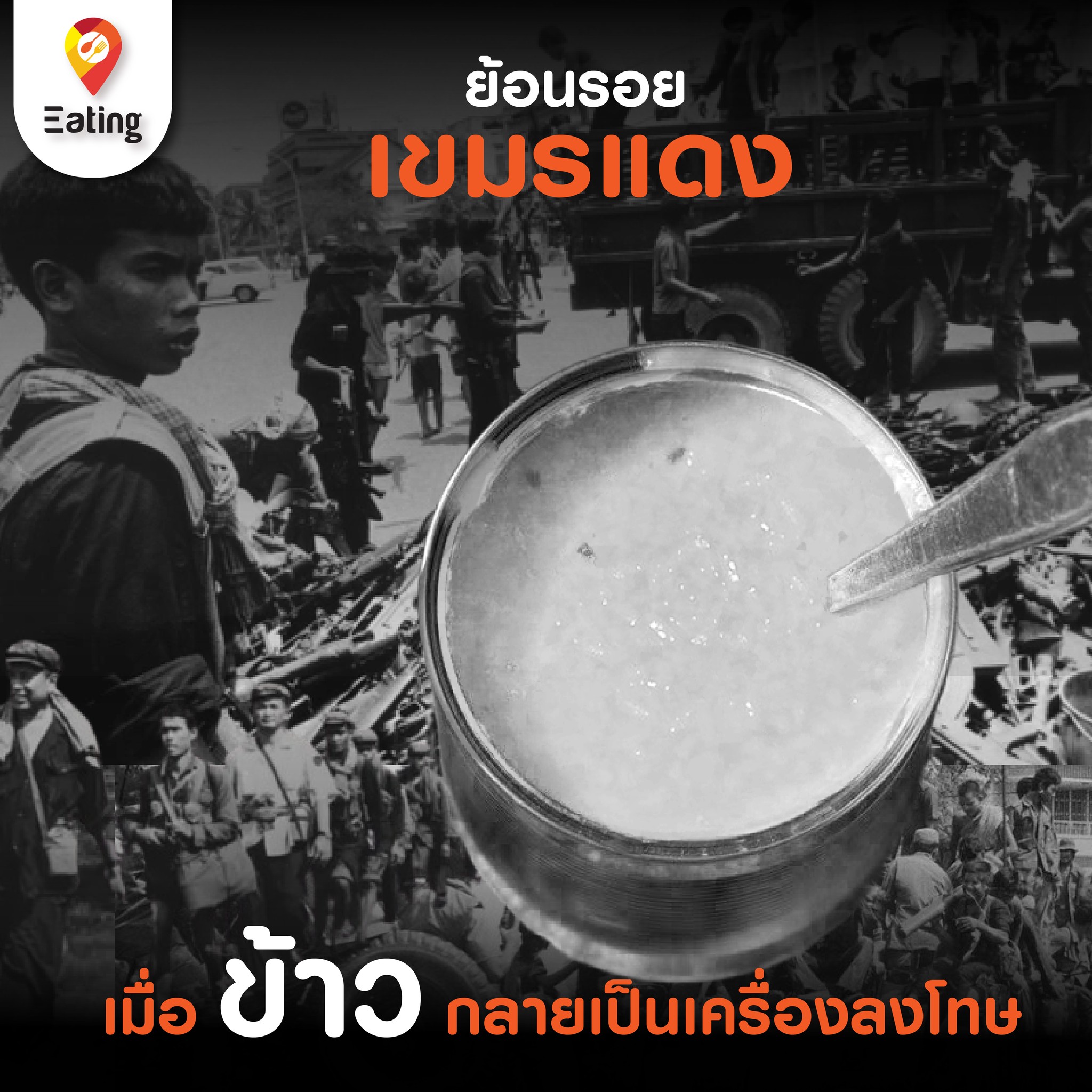
ย้อนรอยเขมรแดง
เมื่อข้าวกลายเป็นเครื่องลงโทษ
ย้อนรอย เขมรแดง เมื่อ ข้าว กลายเป็นบทลงโทษ
ข้าว 1 ทัพพี กับความตายของล้านคน : อาหารภายใต้เขมรแดง
"ในดินแดนที่อุดมด้วยทุ่งข้าว ผู้คนกลับอดตายอย่างเงียบงัน" จุดเริ่มต้นของ “สงครามอาหาร” หลังการยึดอำนาจในปี 1975 เขมรแดงได้สถาปนาระบอบ คอมมิวนิสต์สุดโต่ง ที่มุ่งสร้าง “สังคมใหม่” ปราศจากชนชั้น และยึดหลัก "อัตตาหิ อัตโน นาโถ" คือผลิตเอง กินเอง โดยไม่พึ่งพาใครแม้แต่การค้าต่างประเทศ จุดเปลี่ยนใหญ่คือ การอพยพคนในเมืองสู่ชนบท โดยอ้างว่าจะให้ทุกคนเป็น "กรรมกรการเกษตร" และสร้างชาติด้วยแรงงานตนเอง
.
ระบบอาหารภายใต้การควบคุม เมื่อประชาชนถูกโยกย้ายไปอยู่ใน “ค่ายแรงงาน” หรือ “หมู่บ้านรวมศูนย์” เขมรแดงใช้ระบบจัดการอาหารอย่างเข้มงวด
1. ข้าวเป็นของรัฐ
ข้าวทั้งหมดที่ผลิตได้จะถูกรวบรวมเข้าส่วนกลาง ประชาชนไม่มีสิทธิ์เก็บไว้กินเอง ต้องรอส่วนแบ่งจากรัฐบาลเท่านั้น
2. ครัวรวมกินพร้อมกันภายใต้สายตาปืน ไม่มีใครได้ทำกับข้าวเอง อาหารถูกปรุงที่ “ครัวรวม” แล้วแบ่งใส่ถ้วยให้กินพร้อมกัน ใครพกข้าวเหนียวไว้กินเอง มีสิทธิ์ถูกกล่าวหาว่า "เป็นพวกต่อต้าน"
3. อาหาร 1 ถ้วยต้มต่อวัน แต่ละคนได้รับอาหารเพียงวันละ 2 มื้อ ส่วนใหญ่คือข้าวต้มใส่น้ำมากกว่าเม็ดข้าว หรือผักต้มเปล่า ๆ บางครั้งใส่เกลือหรือปลาร้าเล็กน้อย
4. กินแมลง สัตว์เลื้อยคลานเพื่ออยู่รอด เมื่ออาหารไม่พอ ประชาชนเริ่มจับแมลง, เขียด, กบ, แมงป่อง, จิ้งจก มากิน บางกรณีถึงกับ กินซากศพ เพื่อเอาชีวิตรอด (ตามบันทึกผู้รอดชีวิต)
.
เมื่ออาหารถูกใช้เป็นเครื่องมือควบคุม
การจัดอาหารถูกใช้เป็น “เครื่องมือทางการเมือง” ให้ข้าวมากขึ้นกับคนที่ภักดี ตัดข้าว/ลดสัดส่วนกับผู้ต้องสงสัยหรือญาติของ “ศัตรู” ใครลักข้าวถือว่าทำผิดรัฐ อาจถูกประหารทันที เด็กบางคนต้องรายงานพ่อแม่ที่ "แอบเก็บข้าวเปลือกไว้กิน"
คำให้การจากผู้รอดชีวิต
“ฉันจำได้ว่าฉันเคยแอบเลียหม้อข้าวเปล่า ๆ เพราะหิวเกินทน…”
ผู้หญิงวัย 12 ปีในค่ายแรงงาน ที่รอดมาเป็นหนึ่งในพยานของศาลโลก
.
ภายใต้เขมรแดง อาหารไม่ได้เป็นเพียงปัจจัยในการมีชีวิตอยู่ แต่กลายเป็น "อาวุธ" ที่ใช้ควบคุมประชาชนอย่างเด็ดขาด ข้าวที่ควรหล่อเลี้ยงชีวิต กลับถูกเปลี่ยนเป็นเครื่องมือของอำนาจเผด็จการ ในที่สุด ความหิวไม่ได้ฆ่าคน แต่นโยบายความหิวต่างหากที่ฆ่าคน
.
ส่วนทหารก็ไม่ได้ต่างจากประชาชนทั่วไปกินดีกว่านิดหน่อย ในค่ายแรงงานหรือหน่วยทหารของเขมรแดง “ข้าว” ไม่ใช่แค่สิ่งหล่อเลี้ยงชีวิต แต่มันคือ “รางวัล” และ “เครื่องมือควบคุมพฤติกรรม” ในเวลาเดียวกัน โดยเฉพาะในหมู่ทหารและเจ้าหน้าที่ระดับล่าง การลดหรือควบคุมปริมาณอาหารถูกใช้เป็นหนึ่งในรูปแบบ บทลงโทษที่ร้ายแรง แต่ไร้ร่องรอยที่สุด
.
โดน “ลดข้าว”เพื่อควบคุมพฤติกรรม หากทหารทำผิด เช่น หลับเวร, บ่นต่อหน้าผู้บังคับบัญชา, แอบเก็บอาหารไว้กินเอง แทนที่จะลงโทษด้วยการตัดเงินเดือนหรือจำคุก (ซึ่งไม่มีในระบบเขมรแดง)พวกเขาจะโดนลงโทษด้วยการ “ลดปริมาณข้าวที่ได้รับ” บางกรณีได้เพียง ข้าวต้มเจือจางถ้วยเล็ก หรือถูก “งดข้าว” ไปเลยหนึ่งมื้อ ถือเป็นการ ตัดกำลังใจทางอ้อม ที่เจ็บลึกกว่าการลงโทษทางร่างกาย
.
ความหิวที่ถูกใช้เป็นความยุติธรรมแบบบิดเบี้ยวในสายตาของเขมรแดง “คนที่สมควรได้กินมาก คือคนที่ภักดี” “คนที่กินน้อยได้ เพราะทำผิด” นี่ไม่ใช่การจัดสรรอาหารแบบมนุษยธรรม แต่คือการออกแบบ "สังคมใหม่" ที่เชื่อว่า ความหิวสามารถใช้แทนศีลธรรม
.
ในโลกของเขมรแดง “จานข้าว” ไม่ได้วัดจากแรงงานที่ทำ แต่จาก “ความภักดีที่รัฐตีค่าให้” และเมื่อใดที่ข้าวในจานน้อยลงมันไม่ได้หมายถึงแค่อาหารที่ขาด แต่มันหมายถึง สิทธิในการมีชีวิต กำลังถูกปลดออกไปทีละน้อย
.
จงดีใจและภูมิใจที่ได้เกินในแผ่นดินไทย ดินแดนที่อุดมไปด้วยข้าว ปลา อาหารนานาพันธุ์ ได้มีสิทธิ์คิด ได้มีสิทธิ์ใช้ชีวิต ได้มีสิทธิ์ที่จะหายใจ เรื่องนี้หยิบยกมาให้อ่านเพื่อให้เป็นกำลังใจแก่พี่น้องพลเรือน และทหารที่กำลังปฏิบัติหน้าที่ทุกคน เราจะผ่านมันไปด้วยกัน
Rations of Repression: When a Spoonful of Rice Became a Weapon under the Khmer Rouge
"In a land blessed with endless rice fields, people quietly starved."
.
After seizing power in 1975, the Khmer Rouge launched a radical communist revolution, aiming to build a new society free of social classes. The regime embraced total self-reliance, rejecting foreign trade, and preached the principle of “Autonomy through labor.” This meant moving millions of urban citizens to the countryside to become agricultural workers.
.
But beneath this idealistic rhetoric lay a dark truth: food, the essence of survival, became a political weapon.
.
A State-Controlled Hunger
In the Khmer Rouge regime, food was no longer a basic human right. It was tightly regulated and systematically distributed—or withheld—by the state. Here’s how:
.
1. Rice Belonged to the State
All rice produced was collected by the government. Citizens were forbidden from keeping any for personal consumption. Eating privately stored rice was considered rebellion.
2. Communal Kitchens under Gunpoint
No one was allowed to cook for themselves. All meals were prepared in "communal kitchens" and served simultaneously. Meals were eaten in silence, under supervision. Bringing even a sticky rice ball to keep for later risked being labeled a traitor.
3. Two Watery Meals a Day
The daily ration was often just two bowls of thin porridge—more water than rice—with occasional boiled vegetables or, if lucky, a trace of salt or fermented fish.
4. Eating Insects and Corpses to Survive
When hunger intensified, people turned to insects, frogs, scorpions, lizards—anything they could catch. Some survivors later testified that desperate individuals even resorted to cannibalism.
.
Food as a Tool of Fear
Under the Khmer Rouge, food allocation became a form of punishment and control:
Those loyal to the regime received slightly more foodSuspected traitors or families of accused enemies received less—or none.
Stealing rice or hiding grain could result in execution.
.
Children were sometimes forced to report their own parents for secretly hoarding rice husks..
“I remember licking an empty rice pot... just to feel something in my stomach.”
— A woman who was 12 years old in a Khmer Rouge labor camp, later testified in the international tribunal.
.
When Hunger Became Discipline
Even Khmer Rouge soldiers were not spared. Although they received slightly better rations, their food was tightly controlled. “Rice” became both a reward and a method of discipline.
.
If a soldier broke rules—falling asleep on watch, complaining, or secretly storing food—he would be punished by reducing his rice ration, sometimes to a single spoonful of watery porridge, or even denied food entirely. There were no jails, no fines—just hunger.
.
This form of punishment was silent but devastating, breaking morale without leaving marks.
.
A Twisted Justice System
In the eyes of the Khmer Rouge, food was justice.
.
"The loyal deserve to eat."
"The disobedient deserve to starve."
.
Meals were no longer distributed based on labor or need, but based on perceived loyalty. A person’s survival depended on how much the state trusted them—not how hard they worked.
.
In this warped reality, a shrinking rice bowl meant more than just hunger. It was a sign that your right to exist was slipping away.
.
A Reflection of Freedom
This story is not just about Cambodia's dark past. It’s a powerful reminder to appreciate the freedoms we often take for granted.
.
To live in a country where you can grow, buy, and cook your own food... where your meals are not tied to your political loyalty... where your hunger is not used against you—this is a freedom worth cherishing.
.
We share this history not to dwell on despair, but to remind ourselves of resilience. And to encourage all citizens and soldiers alike, that no matter how difficult things get—we are fortunate to live in a land where rice still nourishes, not punishes.