Insider
New Experience
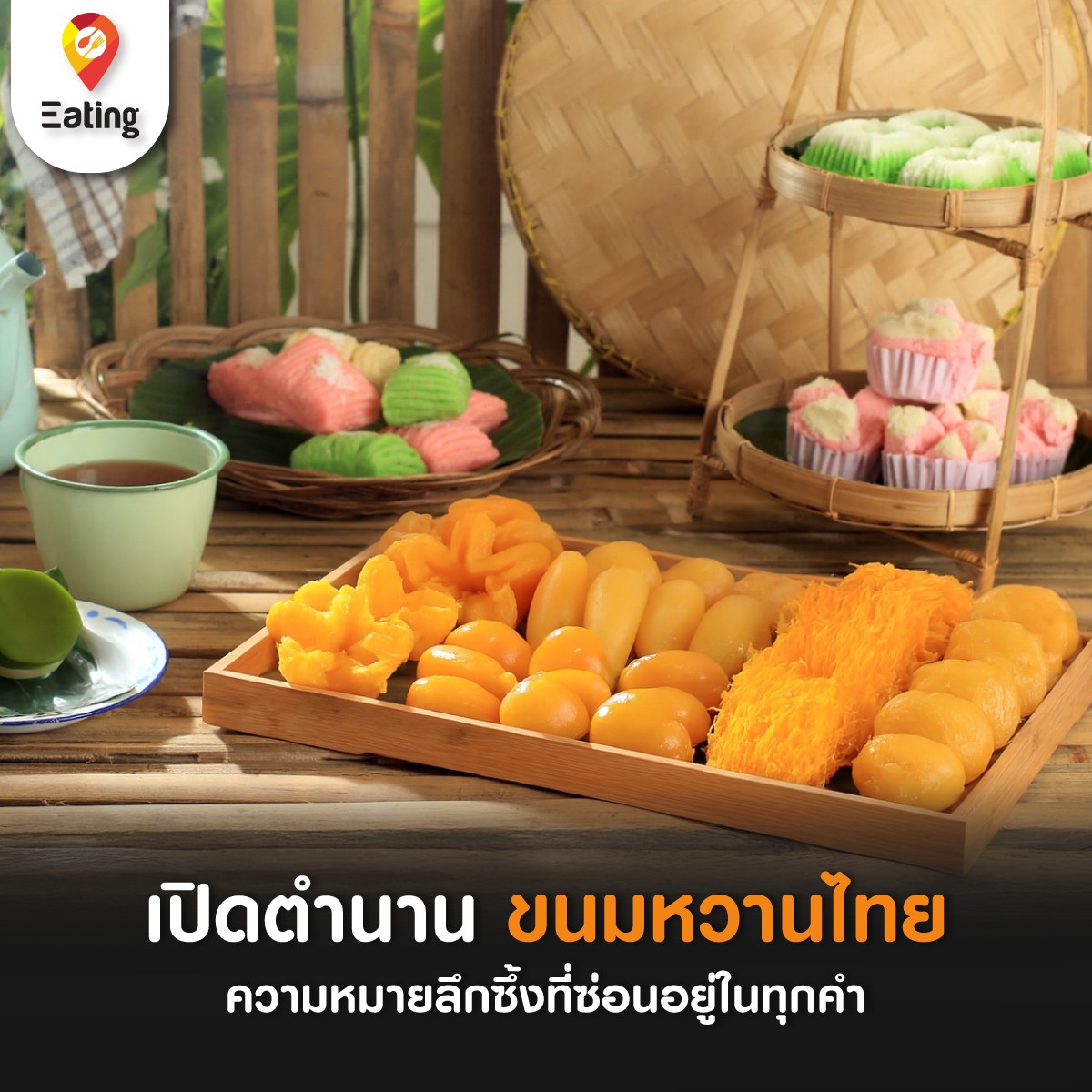
เปิดตำนานขนมหวานไทย
ความหมายลึกซึ้งที่ซ้อนอยู่ในทุกคำ
“เปิดตำนานขนมหวานไทย…ความหมายลึกซึ้งที่ซ่อนอยู่ในทุกคำ”
ขนมหวานไทยในงานมงคลเป็นเสมือนภาษาลึกซึ้งที่ถ่ายทอดคำอวยพรและความปรารถนาดีจากผู้ทำถึงผู้รับ ผ่านสีสัน กลิ่นหอม รสชาติ และชื่อที่เปี่ยมความหมาย ขนมเหล่านี้ไม่ได้มีเพียงความหวานอร่อย แต่ยังเต็มไปด้วยสัญลักษณ์มงคลที่สืบทอดกันมายาวนานตั้งแต่สมัยอยุธยา ซึ่งเป็นช่วงที่วัฒนธรรมอาหารไทยเฟื่องฟูและได้รับอิทธิพลจากต่างชาติ โดยเฉพาะโปรตุเกสที่นำวัตถุดิบอย่างไข่แดงเข้ามา กลายเป็นต้นกำเนิดของขนมทองทั้งหลายที่เรารู้จักกันทุกวันนี้
.
ทองหยิบ ทองหยอด และฝอยทอง ถือเป็น 3 ขนมเอกที่ขาดไม่ได้ในงานมงคลทุกประเภท สีเหลืองทองของขนมสื่อถึงความมั่งคั่ง ร่ำรวย มีโชคลาภ และความรุ่งเรืองตลอดไป ทองหยิบที่ต้องบรรจงจีบให้บานสวยหมายถึงการหยิบยกเงินทองและความเจริญมาไว้กับตน ทองหยอดหมายถึงการมีทรัพย์สมบัติไหลมาเทมาไม่ขาดมือ ส่วนฝอยทองที่มีเส้นยาวสื่อถึงอายุยืนยาวและความผูกพันที่ไม่สิ้นสุด เหมาะอย่างยิ่งสำหรับงานแต่งงานและงานฉลองความสำเร็จ
.
เม็ดขนุนก็เป็นอีกหนึ่งขนมมงคลที่พบได้บ่อยในงานแต่งและงานขึ้นบ้านใหม่ ลักษณะเป็นเม็ดกลมสีทอง สื่อถึงการมีคนคอยเกื้อหนุนและช่วยเหลือตลอดชีวิต ขนมชั้นที่ต้องเรียงซ้อนอย่างประณีตทีละชั้น มีความหมายถึงการเลื่อนขั้นเลื่อนตำแหน่ง หรือการก้าวหน้าในชีวิตอย่างมั่นคง ขนมนี้จึงนิยมใช้ในงานเลื่อนยศ ขึ้นตำแหน่ง และงานเปิดกิจการใหม่
.
นอกจากนี้ยังมีขนมถ้วยฟู ซึ่งชื่อก็เป็นมงคลอยู่แล้ว หมายถึงความเจริญรุ่งเรืองเฟื่องฟู ขนมมังกรคาบแก้วและขนมมะพร้าวแก้วที่นิยมในบางท้องถิ่นก็แฝงความหมายถึงความมั่งมีและความสุขสว่างสดใส ส่วนข้าวเหนียวมูลหน้าต่าง ๆ เช่น ข้าวเหนียวหน้ากุ้ง ข้าวเหนียวหน้าปลาแห้ง หรือหน้าสังขยา มักใช้ในงานมงคลเพราะสื่อถึงความรักและความผูกพันเหนียวแน่น
.
แม้กาลเวลาจะเปลี่ยนไปและวิธีการจัดงานมงคลในปัจจุบันอาจทันสมัยขึ้น แต่ขนมหวานไทยมงคลเหล่านี้ยังคงอยู่ในทุกช่วงเวลาแห่งความสำคัญ ไม่ว่าจะเป็นงานแต่ง งานบวช งานขึ้นบ้านใหม่ หรืองานฉลองความสำเร็จ เพราะทุกคำที่รับประทานไม่เพียงสร้างรสชาติหวานในปาก แต่ยังอบอวลไปด้วยความหมายและความรักที่ส่งต่อจากรุ่นสู่รุ่น
“The Legend of Thai Desserts… The Profound Meaning Hidden in Every Bite”
Thai desserts in auspicious ceremonies are like a deep and symbolic language, conveying blessings and good wishes from the maker to the recipient through their colors, fragrance, taste, and meaningful names. These sweets are not merely delicious, but also rich with auspicious symbolism passed down for generations since the Ayutthaya period—an era when Thai cuisine flourished and absorbed foreign influences, especially from the Portuguese, who introduced egg yolks. This became the origin of the golden-hued desserts that we know today.
Thong Yip, Thong Yod, and Foi Thong are the three essential desserts that appear in every auspicious occasion. Their golden color symbolizes wealth, prosperity, good fortune, and everlasting success. Thong Yip, which must be carefully shaped into a blossoming form, signifies gathering wealth and prosperity into one’s life. Thong Yod represents wealth flowing endlessly into one’s hands. Meanwhile, the long golden threads of Foi Thong symbolize longevity and unending bonds, making them especially suitable for weddings and celebrations of success.
Another common auspicious dessert is Med Khanun, a golden bean-shaped sweet that signifies having constant support and assistance in life. Khanom Chan, with its meticulously layered form, represents advancement, promotion, and steady progress in life, making it popular for promotions, housewarmings, and new business openings.
There is also Khanom Tuay Fu, whose very name means prosperity and flourishing. Regional favorites like Khanom Mangkon Khab Kaew (Dragon Biting the Gem) and Khanom Maprao Kaew (Crystal Coconut) symbolize wealth, joy, and brightness. Various kinds of Sticky Rice with Toppings, such as shrimp, dried fish, or custard, are often served at auspicious events as they symbolize love and strong, lasting bonds.
Though times have changed and modern ceremonies may appear more contemporary, these auspicious Thai desserts still hold an essential place in life’s important milestones—whether weddings, ordinations, housewarmings, or celebrations of success. Every bite offers not only a sweet taste but also a lingering message of meaning, blessing, and love passed down through generations.